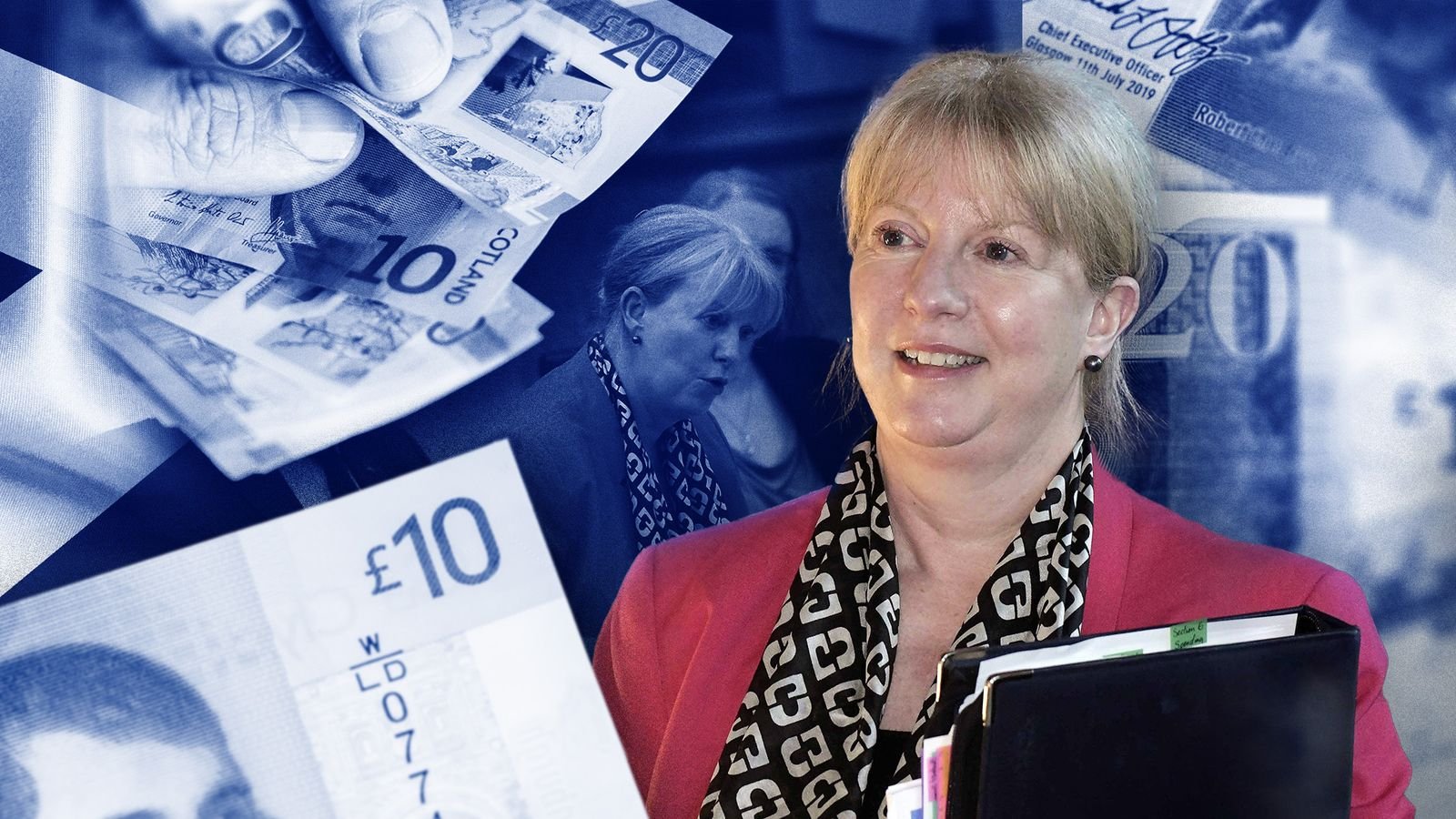
Scottish Government Introduces Draft Budget for 2026-27
The Scottish government has revealed its draft budget for the financial year 2026-27, proposing several key changes aimed at aiding families, particularly through an increase in the Scottish Child Payment and adjustments to income tax. Finance Secretary Shona Robison emphasised the administration’s commitment to fostering a “more prosperous Scotland” as the nation prepares for the upcoming Holyrood election in a few months.
Key Initiatives and Support for Families
Increase in Scottish Child Payment
One of the most notable changes includes an increase in the Scottish Child Payment to £40 per week for families with a child under the age of one, up from the current £27.15. This modification is set to take effect at the beginning of the 2027-28 financial year and will be adjusted annually to align with inflation. Ms Robison stated that this support could help alleviate some financial pressures during a child’s first year, a time that can be costly for parents.
Establishment of Breakfast Clubs
The draft budget also allocates funds to introduce breakfast clubs in all primary and additional support needs schools by August 2027. This initiative aims to support families by allowing parents to drop off their children earlier while ensuring children receive a nutritious meal to aid their concentration and learning.
Tax Changes: Winners and Losers
Income Tax Adjustments
For low-income earners, the budget proposes an increase in the thresholds for the basic (20%) and intermediate (21%) income tax rates by 7.4%, which will be adjusted to £16,537 and £29,526 respectively. This change is intended to lower the tax burden for some workers and prevent others from moving into higher tax brackets. However, Ms Robison acknowledged that the savings for low earners would not be substantial, claiming that the overall support package is valued at around £480 per year.
Middle-Income Pressure
Scottish Conservatives have expressed concerns over the tax implications for middle-income workers, claiming that many are now being pushed into higher tax brackets. Commenting on the situation, MSP Craig Hoy accused the SNP of unfairly taxing aspiring individuals and hampering the economic growth of Scotland. He raised alarms about the effects on public sector workers, including nurses and teachers, who may now find themselves classified as higher earners.
New Taxes for Wealthy and Private Jet Users
Mansion Tax Introduction
To improve tax equity, the government has announced the creation of two new council tax bands for properties valued over £1 million, set to be implemented by April 2028. The higher bands, I and J, are aimed at ensuring that the wealthiest homeowners contribute a fairer share, targeting less than 1% of households. The additional revenue generated is expected to benefit local councils significantly.
Tax on Private Jet Travel
Another significant aspect of the budget is the introduction of an airport departure tax by April 2027 and a forthcoming tax on private jet travel. Ms Robison stated that this tax initiative is designed to ensure that those who opt for private jet travel contribute fairly, thereby helping to foster a more equitable society in Scotland.
Background
This draft budget arrives at a pivotal time for Scotland, just months ahead of the Holyrood elections, with the SNP seeking to solidify its hold on power. By enhancing family support and adjusting tax structures, the government aims to appeal to voters while addressing economic concerns that have been exacerbated by rising living costs across the UK.
Source: Original Article