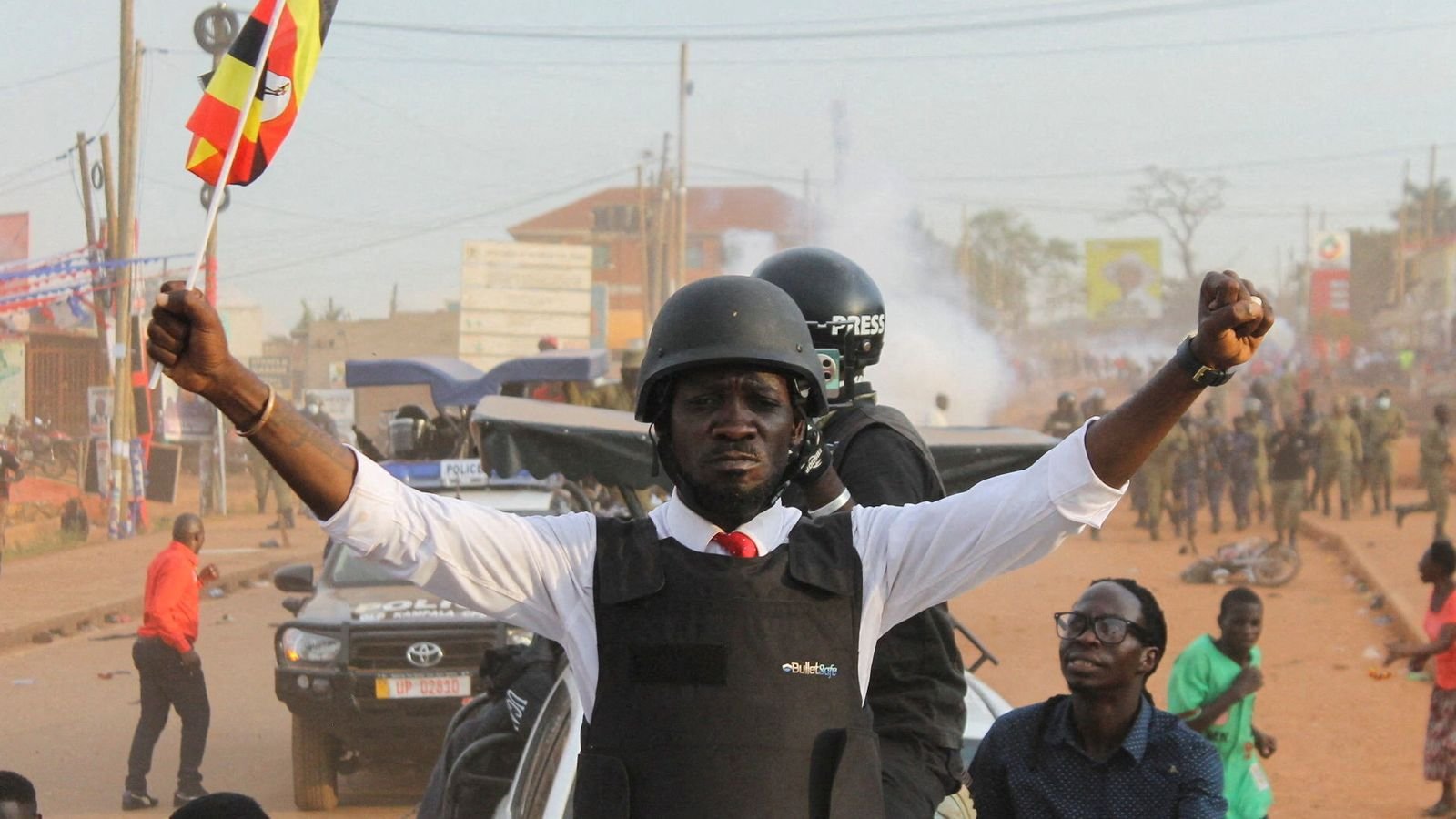
Uganda Faces Tensions Ahead of Pivotal Election
As Uganda gears up for elections, voters are confronted with military presence on the streets, raising concerns about the integrity of the electoral process. This election may allow President Yoweri Museveni to further extend his tenure, which has lasted since 1986.
Allegations of Electoral Fraud
Past elections in Uganda have been overshadowed by suspicions of fraud, leading pro-democracy activists to voice their discontent over the recent internet shutdown ordered by the Uganda Communications Commission. This abrupt measure came just days before voting, with officials claiming it is intended to curb the spread of misinformation regarding the election.
Critics, including supporters of the musician-turned-politician Bobi Wine, argue that this decision further undermines transparency and restricts communication about potential electoral misconduct, such as ballot stuffing.
Challengers to Museveni’s Rule
Analysts suggest that President Museveni, now 81, is likely to remain in power despite facing significant opposition from Wine, who has garnered a considerable following among younger voters seeking change. Museveni’s reliance on security forces has intensified in recent years, and his son, General Muhoozi Kainerugaba, serves as the military’s top commander, signalling a possible dynastic succession.
Wine’s party, the National Unity Platform, has called on supporters to vigilantly observe polling stations and document any irregularities during the voting process. The electoral officials, on the other hand, are urging voters to cast their ballots and return home, a guideline that has sparked fears of potential violence should security forces enforce it strictly.
Background
Yoweri Museveni first assumed power in 1986 amidst a backdrop of civil unrest and has since survived multiple elections, often marred by allegations of corruption and irregularities. In 2005, term limits were removed from Ugandan law, prompting criticism that this was a strategic move to facilitate Museveni’s continuous rule. His term has been characterised by significant public discontent, specifically regarding alleged governance issues and election misconduct.
Institute of political scientists and observers emphasise that these elections are particularly crucial not just for Uganda, but for the broader context of democracy in Africa, given Museveni’s long-standing grip on power and the challenges posed by opposition forces.
The implications of these elections extend beyond Uganda’s borders, as Western nations continue to express concerns over governance and human rights in the country, creating a multidimensional impact on international relations and regional stability.
Source: Original Article