Introduction
Understanding the principles of evolution is fundamental to the field of biology. Two significant mechanisms that drive changes in populations over time are artificial selection and natural selection. While both processes involve the selection of specific traits, they operate under different conditions and with different motivations.
Natural Selection
Natural selection is a process described by Charles Darwin in his theory of evolution. It occurs in nature without human intervention, where organisms better adapted to their environment tend to survive and produce more offspring. Key concepts include:
- Survival of the Fittest: This phrase summarizes the idea that individuals with advantageous traits are more likely to survive and reproduce.
- Genetic Variation: Variation in traits among individuals in a population is crucial for natural selection. These variations can be genetic and are often passed down through generations.
- Environmental Influence: The environment plays a significant role in determining which traits are advantageous. Factors such as climate, food availability, and predator-prey dynamics can all influence survival.
Artificial Selection
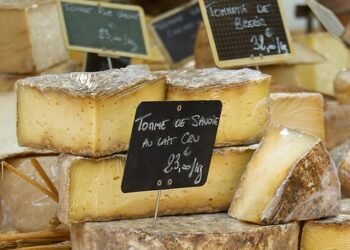
In contrast, artificial selection, also known as selective breeding, involves human intervention in the breeding process to produce desired traits in organisms. This method has been widely used in agriculture and animal husbandry. Distinct characteristics of artificial selection include:
- Human Choice: Unlike natural selection, where environmental pressures drive trait selection, artificial selection relies on human preferences and decisions regarding breeding.
- Rapid Changes: Artificial selection can lead to rapid evolutionary changes within a species, as humans can choose specific traits to emphasize over few generations.
- Intentional Goals: The primary aim of artificial selection is to enhance traits deemed beneficial or aesthetically pleasing by humans, which can lead to significant diversification among domestic species.
Key Differences
While both natural and artificial selection result in changes in populations, their fundamental differences can be summarized as follows:
- Mechanism: Natural selection is driven by environmental pressures, while artificial selection is controlled and directed by humans.
- Timescale: Natural selection often operates over extended periods, while artificial selection can produce noticeable changes in a much shorter timeframe.
- Goal Orientation: Natural selection has no specific goals or intentions; it is a process of survival. In contrast, artificial selection has clear human-defined objectives.
Conclusion
Both artificial and natural selection are integral mechanisms by which evolution occurs, highlighting the diversity of life on Earth. Understanding their differences enriches our knowledge of biology and underscores the impact of human actions on the natural world. As research in genetics and evolutionary biology continues to progress, the implications of these selection processes will remain relevant in various scientific disciplines.