






















Riverside Investigation Reveals Recovery Signs for Native Crayfish Population
In a significant development for the native crayfish population in the River Wansbeck, an investigation has revealed hopeful signs of recovery after the deaths of approximately 100 endangered individuals were reported in autumn 2024. While concerns about the species have persisted, studies indicate a lower severity of symptoms among the surviving crayfish populations.
Initial Findings from the Investigation
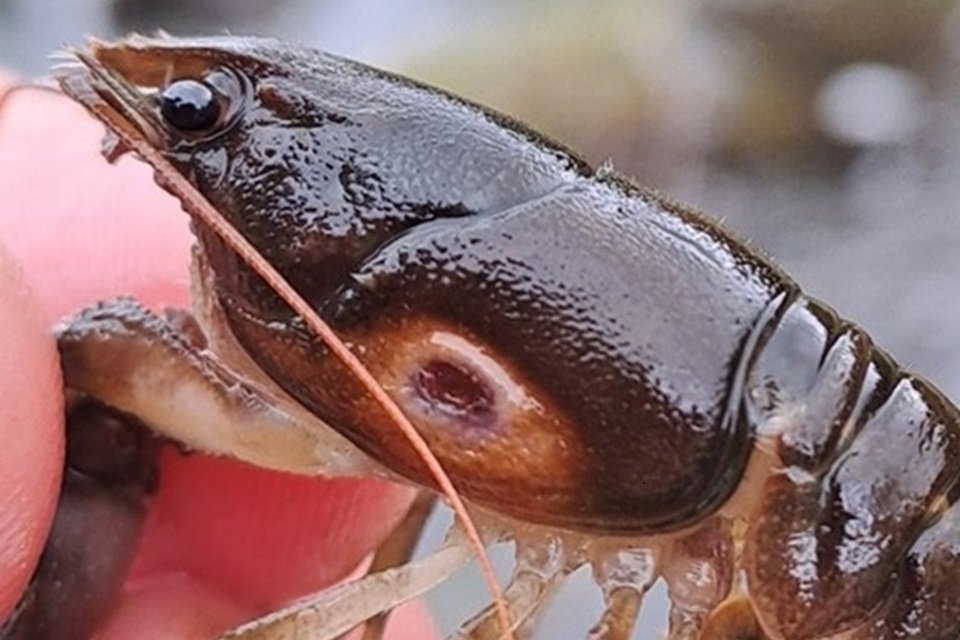
The recent research, conducted by the Environment Agency in collaboration with the National Trust, has involved a total of 76 surveys across the Wansbeck, Tyne, and Blyth rivers. The surveys revealed that many crayfish displaying unusual symptoms such as orange lesions on their shells were not facing immediate mortality risks. Notably, younger crayfish have shown the ability to recover from such visual symptoms through a natural moulting process.
- Symptoms do not appear to threaten the overall population.
- Young crayfish can recover through normal moulting.
- Some affected individuals continue to thrive despite symptoms.
- Mortalities were notably higher in older, larger crayfish due to moulting complications.
- There have been no new reports of crayfish deaths since autumn 2024.
Implications for Conservation Efforts
Sarah Jennings, an Area Environment Manager at the Environment Agency, expressed cautious optimism regarding the Wansbeck population. “Our studies indicate that not all crayfish are affected, and many can continue to live with the symptoms,” she stated. Jennings highlighted that while the immediate threat seems limited, further long-term assessments are necessary to ascertain the population’s stability going forward.
Ongoing research efforts are focused on identifying potential environmental stressors—such as drought or heatwaves—that might contribute to future outbreaks of these symptoms. Moreover, safeguarding efforts will include the establishment of additional safe ‘ark’ sites for the crayfish to breed without external threats.
Community Involvement and Safe Practices
In response to the situation, the public is being encouraged to adopt healthy practices to prevent the spread of symptoms. This includes thorough checks of clothing and equipment for any aquatic organisms, appropriate cleaning, and drying protocols. Community members are also urged to report any sightings of crayfish to the Environment Agency.
- Check belongings for aquatic organisms before moving to a new location.
- Clean all equipment thoroughly, using hot water where available.
- Dry for at least 48 hours, or use disinfectants if drying isn’t feasible.
Background Information on the White-Clawed Crayfish
The white-clawed crayfish is the only native freshwater crayfish species in the UK and plays a crucial role in maintaining the ecological balance of waterways. Their populations have been significantly impacted since the introduction of the invasive American signal crayfish in the 1970s, which carries the crayfish plague—devastating for native populations but harmless to itself. Thankfully, there have been no reported cases of signal crayfish within the Wansbeck catchment, ruling out this pathogen as a cause for the recent mortality.
Source: official statements, news agencies, and public reports.
https://www.gov.uk/government/news/native-crayfish-population-survives-following-major-incident






