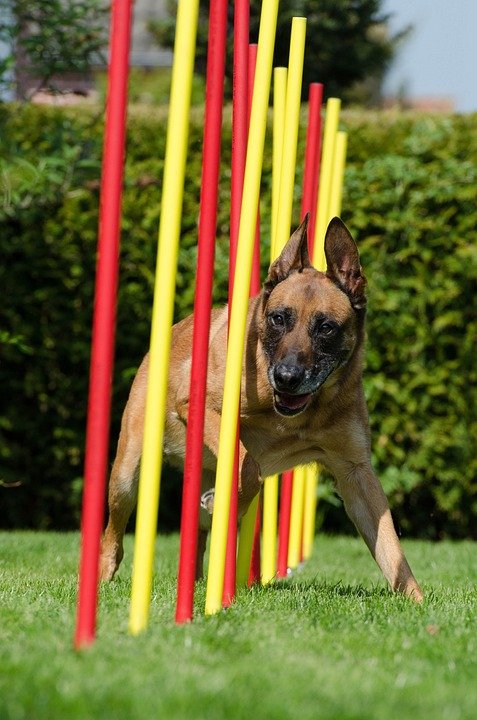
The Science of Agility: Understanding the Mechanics Behind Quick Movements in Sports
Agility is a vital component in many sports, enabling athletes to change direction quickly and effectively while maintaining control. This skill is essential in various athletic arenas, from soccer and basketball to tennis and martial arts. Understanding the mechanics behind agility not only elevates athletic performance but also informs training techniques and skill development.
The Biomechanics of Agility
Agility involves a combination of speed, balance, coordination, and reflexes. At the biomechanical level, agility relies on several key principles:
- Center of Gravity: The ability to maintain balance and control when changing directions heavily depends on the athlete’s center of gravity. Keeping the center of gravity low enhances stability.
- Muscle Recruitment: Quick movements require rapid and efficient recruitment of muscle fibers, especially the fast-twitch muscle fibers, which are essential for explosive actions.
- Joint Mobility: Effective agility is facilitated by the range of motion in an athlete’s joints, particularly the ankles, knees, and hips, allowing for more fluid movement transitions.
Agility Training Techniques
To improve agility, athletes engage in various training methods that target the physical and mental components of quick movements. Some established techniques include:
- Footwork Drills: Ladder drills, cone drills, and hurdle drills enhance foot speed and coordination. These drills help athletes practice rapid movements and direction changes.
- Plyometric Exercises: Exercises like box jumps and bounding foster explosive power, essential for quick acceleration and deceleration.
- Reaction Time Training: Utilizing reaction balls or partner drills helps athletes improve their reflexes and quick decision-making abilities.
Application in Sports
Different sports require specific agility applications, shaped by the demands of the game:
- Soccer: Players must navigate dynamic situations, changing direction quickly to evade defenders or respond to game flow.
- Basketball: Quick lateral movements are crucial for both offense and defense, requiring superior footwork and balance.
- Tennis: Explosive sprints and rapid sidesteps are essential for reaching and returning shots effectively.
Historical Development of Agility in Sports
The concept of agility has evolved alongside sports themselves. Early athletic competitions primarily emphasized brute strength and endurance, but the recognition of agility’s importance emerged in the 20th century. Techniques such as the “Zig-Zag Drill,” popularized in various sports training programs, became essential to athlete development.
Historical figures like track and field athletes and basketball stars have illustrated the value of agility in their performance and training methods. Coaches began to refine agility training as sports science advanced, leading to more structured approaches and understanding of athletic readiness.
Conclusion
In summary, agility is a multifaceted skill crucial for athletic excellence across diverse sports. By exploring its biomechanics, training methods, and historical significance, athletes and coaches can foster better performance and reduce injury risk. Continuous advancement in sports science will likely enhance our understanding and application of agility in the future.