The Interplay of Rhythm and Tempo
Rhythm and tempo are two fundamental components of music that work closely together to create the skeleton of any musical piece. Understanding their interplay can greatly enhance one’s appreciation and comprehension of music across various genres and eras.
Defining Rhythm and Tempo
To better grasp their relationship, it is essential to define the terms:
- Rhythm: The pattern of sounds and silences in music, rhythm can be expressed through various durations and accents that create a distinctive flow.
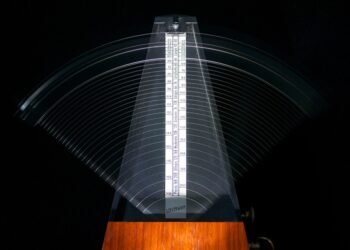
- Tempo: The speed at which a piece of music is performed, typically measured in beats per minute (BPM). Tempo dictates how fast or slow the rhythm is realized.
Historical Context and Theoretical Insights
Historically, both rhythm and tempo have evolved, influenced by cultural practices and musical innovations. Renowned music theorists such as Johann Sebastian Bach and Igor Stravinsky emphasized the importance of these two elements in their compositional techniques.
Key Concepts in Rhythm and Tempo
- Meter: The grouping of beats, often organized into regular patterns such as 2/4, 3/4, or 4/4 time signatures. Different meters can evoke various emotional responses and dictate the flow of a piece.
- Syncopation: A rhythmic technique where emphasis is placed on unexpected beats, creating a sense of surprise and variation. This technique is prominent in genres such as jazz and funk.
- Tempo Markings: Composers often use Italian terms (like “Allegro” for fast or “Adagio” for slow) to indicate the desired tempo, aligning both rhythm and tempo to achieve their musical vision.
Cultural Significance of Rhythm and Tempo
Different musical traditions across the globe showcase unique approaches to rhythm and tempo. For instance:
- African Music: Often features complex polyrhythms and varies in tempo, creating a communal spirit in performance.
- Indian Classical Music: Utilizes intricate rhythmic cycles, known as “tala,” which interplay with the melody, often shifting tempo throughout a performance.
- Western Classical Music: Classical composers from different eras, such as Beethoven and Mozart, manipulated rhythm and tempo to convey emotional depth and drama.
The Role of Instruments
Musical instruments also play a vital role in shaping rhythm and tempo. Percussion instruments, such as drums and tambourines, are primarily responsible for maintaining and accentuating the rhythmic foundation. In contrast, melodic instruments often interact with this foundation, adapting their phrasing to align with or contrast against the established tempo.
Conclusion
The interplay of rhythm and tempo remains a cornerstone of musical composition and performance. By understanding these elements and their historical contexts, listeners can deepen their appreciation for diverse musical genres and the intricacies embedded within them. As music continues to evolve, the dynamic relationship between rhythm and tempo will undoubtedly remain a focal point for both composers and performers alike.