






















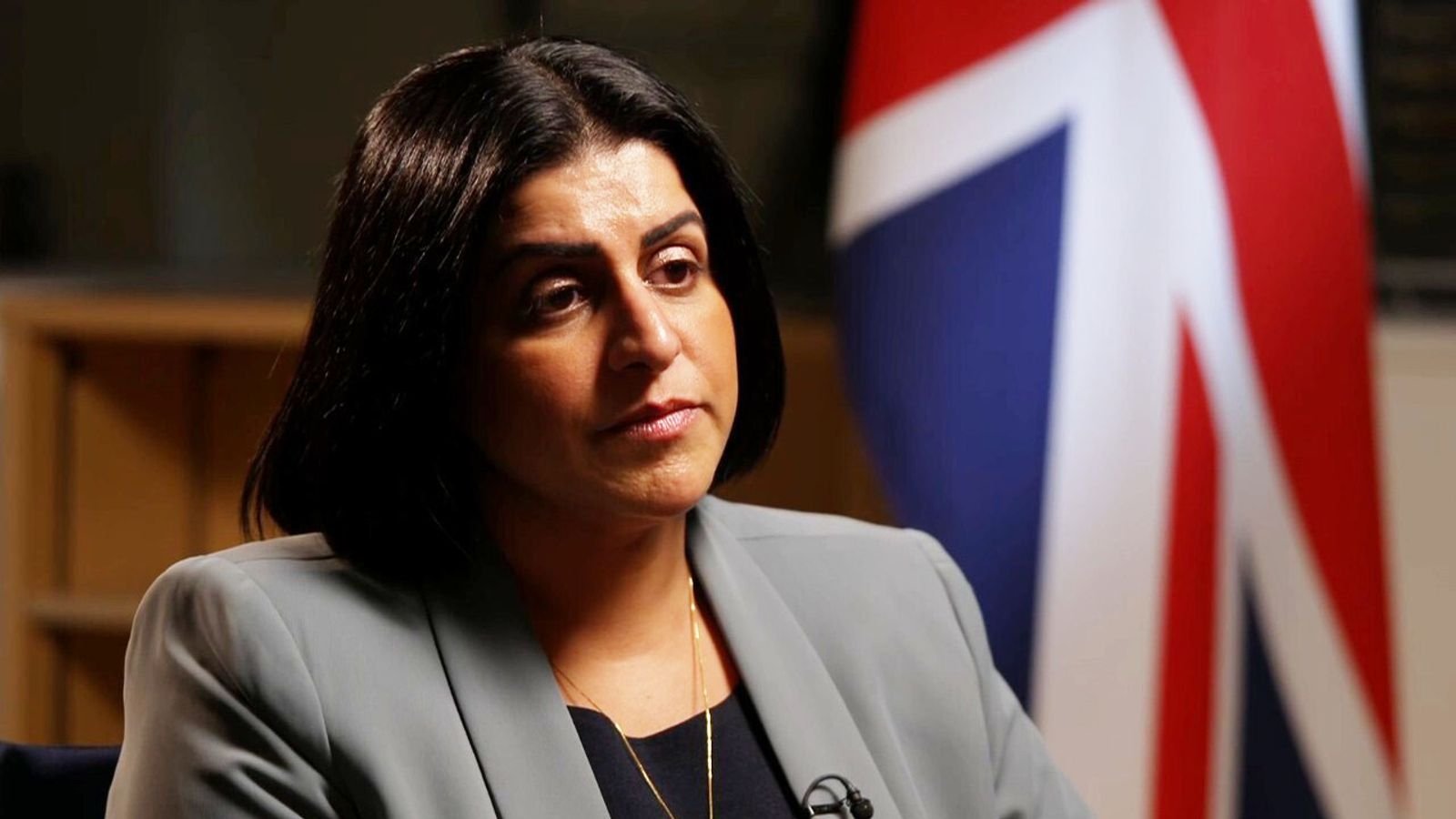
Major Overhaul of UK Police Forces Ahead
The Home Secretary, Shabana Mahmood, is set to unveil plans next week aimed at dramatically reducing the number of police constabularies in the UK, marking the most significant transformation of the policing framework in decades. The reforms are expected to cut down the current total of 43 forces as part of efforts to streamline operations and improve efficiency.
Concerns Over Current Model
Critics of the existing policing structure argue that it is overly bureaucratic, leading to significant waste of resources. There are also concerns from some government officials that smaller police forces may lack the capacity to effectively handle serious crimes. This sentiment echoes previous discussions surrounding the adequacy of current law enforcement capabilities.
Planned Reforms
The reform initiative is reported to encompass a merger of back-office functions, allowing resources to be redirected toward increasing the number of police officers on the streets. Additional proposals include establishing Local Policing Areas designed to enhance neighbourhood policing, thus providing a focused approach to issues like shoplifting and anti-social behaviour.
Implementation Timeline
Despite the comprehensive nature of these plans, insiders suggest that the changes won’t take effect until approximately 2034. The Conservative Party has voiced concerns, claiming that these plans could undermine efforts to combat crime effectively.
Tensions Between Police and Government
This development occurs amidst ongoing tensions between the Home Secretary and police leadership, particularly following Mahmood’s recent endorsement of measures allowing her to compel the resignation of Chief Constables. Such steps reflect a broader debate within government circles regarding accountability and performance in policing.
Rationale Behind the Reforms
A government source highlighted past instances, including the response to the Salisbury poisonings in 2018, to justify the need for structural reforms. They asserted that under this new framework, all forces would be equally equipped to tackle serious crime, regardless of their location. The objective is to ensure that outcomes are consistent and not determined by geographical disparities.
Background and Historical Context
Discussions about reducing the number of police forces are not new; similar proposals were made two decades ago by former Home Secretary Charles Clarke, who suggested a reduction to 12 forces. These proposals were ultimately abandoned by his successor, John Reid, following resistance from senior officials.
Opposition to Merging Forces
Supporters of the current structure express skepticism over the effectiveness of merging police forces. Chris Philp, the Conservative shadow Home Secretary, argued that there is no substantial evidence to suggest that such mergers would decrease crime rates or enhance operational performance. He cautioned that centralisation risks marginalising communities, particularly in smaller towns and villages.
As discussions evolve, the forthcoming independent review will shed light on the precise structure of the new policing landscape and its implications for the UK’s safety and law enforcement efficacy.
Source: Original Article






