






















Controversy Erupts Over Trump’s Comments on NATO’s Role in Afghanistan
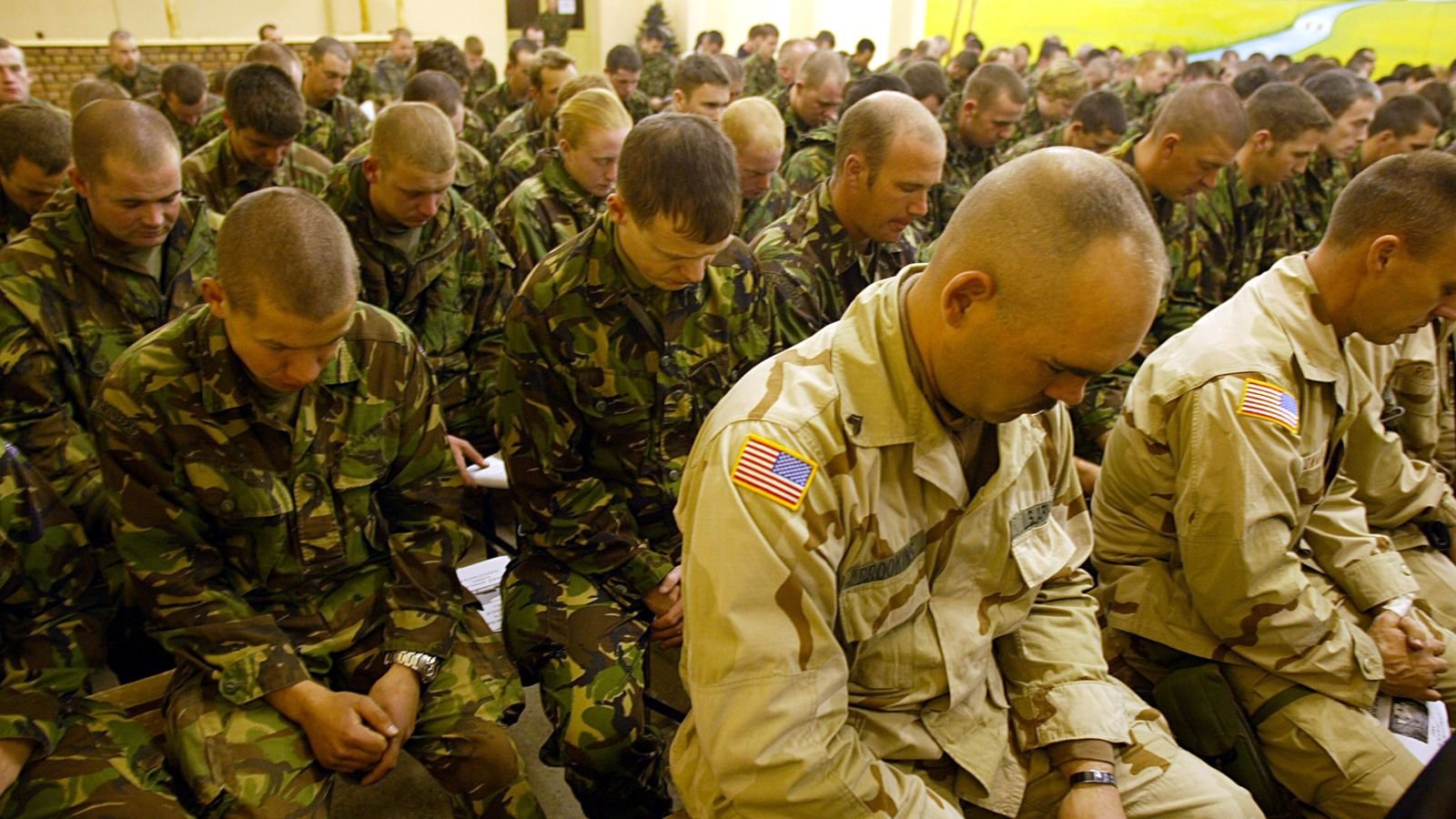
Recent remarks by former President Donald Trump have sparked outrage in the UK, particularly among veterans and families of those who served in Afghanistan. Trump claimed that NATO troops were largely absent from frontline operations during the conflict, a statement that many see as a revisionist take on a complex military engagement that involved significant sacrifices from non-US forces.
The Sacrifice of NATO Troops
During the Afghanistan conflict, more than 1,000 NATO troops from countries other than the United States lost their lives, with many others sustaining serious injuries while supporting US objectives. This loss has elicited strong condemnations from British military communities, who believe Trump’s comments undermine the sacrifices made by their comrades.
British Engagement in Afghanistan
Britain was committed to the Afghan operations alongside the US from the outset, maintaining its presence through various stages of the conflict, including when American forces departed. The operations began in earnest following the 9/11 attacks in 2001, when British intelligence officials were the only foreign personnel in the air as US airspace closed.
Operational Decisions and Early Involvement
Following the 9/11 attacks, the UK had troops prepared for deployment in Afghanistan, having just concluded an extensive exercise in Oman. However, US commanders opted for a different approach, focusing initially on special operations rather than a large-scale troop deployment. British special forces were subsequently dispatched to collaborate with their American counterparts in pursuit of Taliban leaders.
The Evolution of NATO’s Role
As the war progressed, the US transitioned to a broader military strategy in Afghanistan in 2006. During this phase, British forces collaborated with Dutch and Canadian troops to enhance NATO’s efforts in the region. Multiple US administrations, including those of Barack Obama, Trump, and Joe Biden, ultimately curtailed military commitments, generating concern among their allies who bore the brunt of the alliance’s responsibilities.
Final Withdrawal and Aftermath
The withdrawal from Afghanistan culminated in August 2021, with British forces remaining on the ground until the last evacuation flights departed Kabul. Throughout the course of the war, UK officials have often noted that in matters involving the United States, both successes and failures are shared among allies, highlighting the responsibilities that come with such partnerships.
Background
The NATO-led intervention in Afghanistan began in 2001 and resulted in the longest military engagement in British history. The conflict has had far-reaching implications for international relations and military alliances, particularly within the context of the post-9/11 world. Trump’s insistence on portraying NATO forces as inadequately engaged raises questions about historical accuracy and the enduring legacies of military sacrifices.
Source: Original Article






