






















First International Court Hearing on Alleged Rohingya Genocide
For the first time, harrowing testimonies from the Rohingya community regarding alleged atrocities in Myanmar are being presented in an international court. The International Court of Justice (ICJ) is currently reviewing accusations against Myanmar’s military, which is alleged to have committed genocide against this predominantly Muslim minority group during a crackdown in 2017.
Shocking Accounts of Violence and Persecution
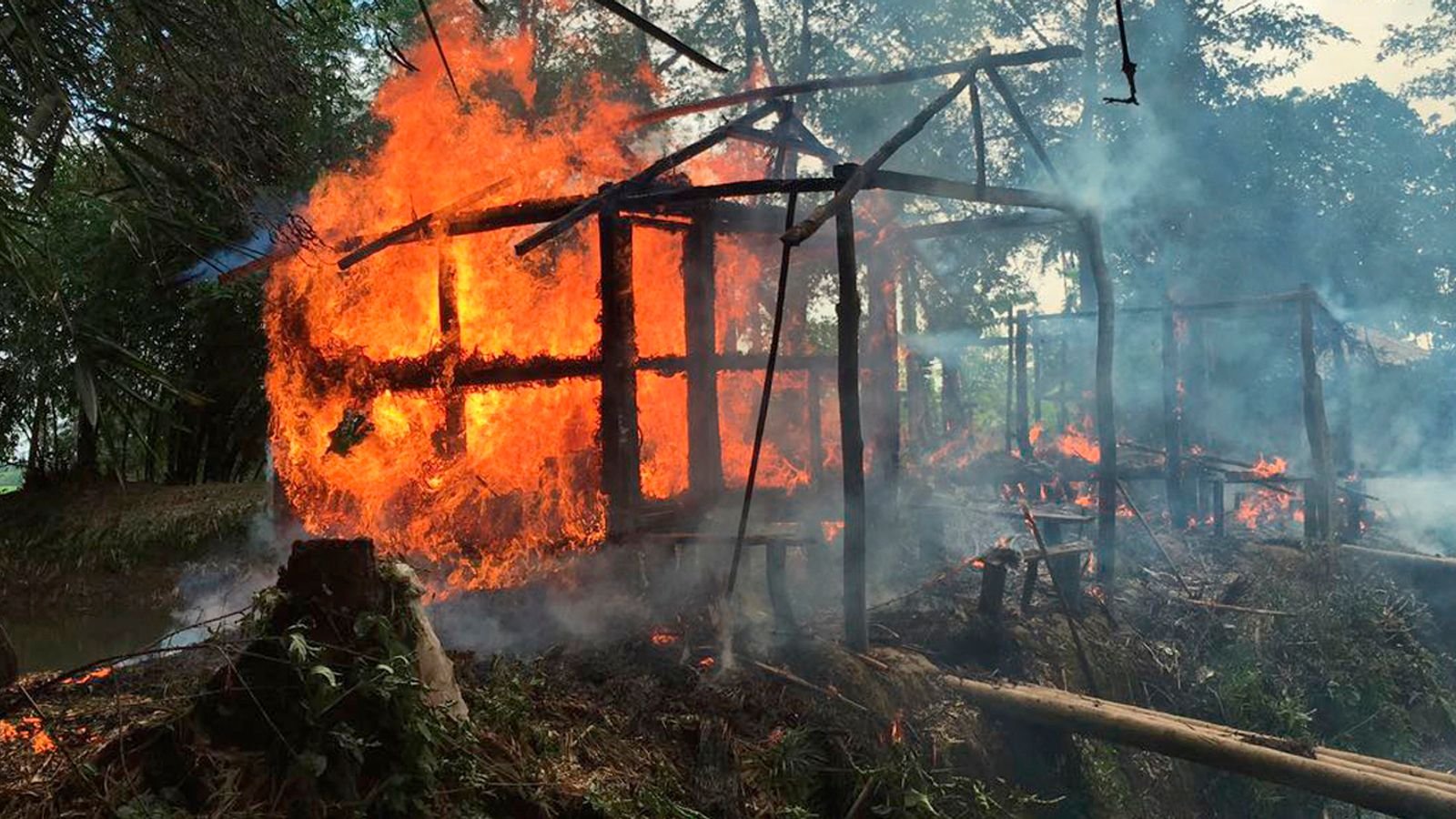
Dr. Ronan Lee, an author and academic, relayed disturbing accounts from Rohingya individuals who described systematic violence and sexual abuse allegedly perpetrated by Myanmar’s security forces. Survivors reported that entire villages were annihilated, while Rohingya men were condemned to what some described as extermination. Disturbingly, thousands lost their lives, and a widespread pattern of sexual violence against women and girls was revealed through firsthand testimonies.
This legal case follows the 2017 military operations that forced over 700,000 Rohingya to flee to neighbouring Bangladesh, creating a humanitarian crisis that remains unresolved. The military justified its actions as a response to insurgent attacks, but it has consistently denied accusations of committing genocide.
ICJ Hearings and Its Significance
The ICJ hearings, which began last week in The Hague, mark a pivotal moment in international law, aiming to define the parameters of genocide. The case was initiated by The Gambia, which claims that Myanmar’s military engaged in actions contravening the 1948 Genocide Convention. Justice Minister Dawda Jallow asserted that the Rohingya people have suffered decades of brutal persecution and propaganda aimed at dehumanising them.
During the opening statements, Mr. Jallow articulated a strong condemnation of Myanmar’s actions, stating that the Rohingya had been “targeted for destruction” and that their lives had transformed from dreams into nightmares.
Myanmar’s Defence
In defending its actions, Myanmar contended that it acted against what it termed “terrorists” in northern Rakhine State. Ko Ko Hlaing, a representative for Myanmar, emphasised that the judgment must rely on substantiated evidence rather than unverified claims, asserting that emotional narratives should not substitute for rigorous factual presentations.
The Rohingya People: A Brief Background
Previously numbering over a million in Myanmar, the Rohingya have their own unique cultural and linguistic identity, tracing their ancestry to generations of Muslim traders in the region. However, Myanmar’s predominantly Buddhist society characterises them as illegal immigrants from Bangladesh, thus denying them citizenship. Following the military offensive in 2017, many Rohingya currently live in crowded refugee camps in Bangladesh, battling dire living conditions.
The Role of Social Media
An innovative aspect of the trial is the exploration of social media’s role in the dissemination of hate speech against the Rohingya. Dr. Lee highlighted that Facebook was a key platform facilitating the spread of anti-Rohingya rhetoric during critical times, providing political and social justifications for military actions against the community. This situation raises significant questions about the accountability of social media platforms in conflict situations.
Looking Ahead: Possible Implications of the Case
The outcome of this unprecedented ICJ trial could have lasting effects on how genocide is identified and prosecuted globally, with ramifications potentially affecting ongoing international legal actions, including an investigation into alleged crimes in Gaza. The trial is expected to last three weeks, with a final ruling anticipated by 2026.
This is the first thorough genocide case taken up by the ICJ in over a decade, and it signals the increasing importance of international law in addressing human rights crises worldwide.
Conclusion
The testimonies presented in this trial may finally give voice to the suffering Rohingya community, marking a significant step towards accountability for humanitarian atrocities. As the world watches, the implications of this landmark case could resonate far beyond the confines of the courtroom.
Source: Original Article






