Introduction to Fossils
Fossils are remnants or impressions of ancient life that provide critical insights into the history of our planet. They are formed under specific environmental conditions and can take various forms, each offering unique information about past ecosystems, climatic conditions, and the life forms that existed long ago.
Types of Fossils
Fossils can generally be categorized into two major types: body fossils and trace fossils. Each type includes various subcategories, which will be outlined below.
Body Fossils
Body fossils are the preserved remains of the actual organisms, providing direct information about their structure and biology.
- Mineralized Remains: These occur when organic materials are replaced with minerals, such as in the case of bones or shells turning to stone over millions of years. This process is known as permineralization.
- Casts and Molds: A mold forms when an organism’s remains leave an impression in the surrounding sediment. If this cavity later fills with minerals or sediments, it creates a cast. Such fossils help reconstruct the external shape of organisms.
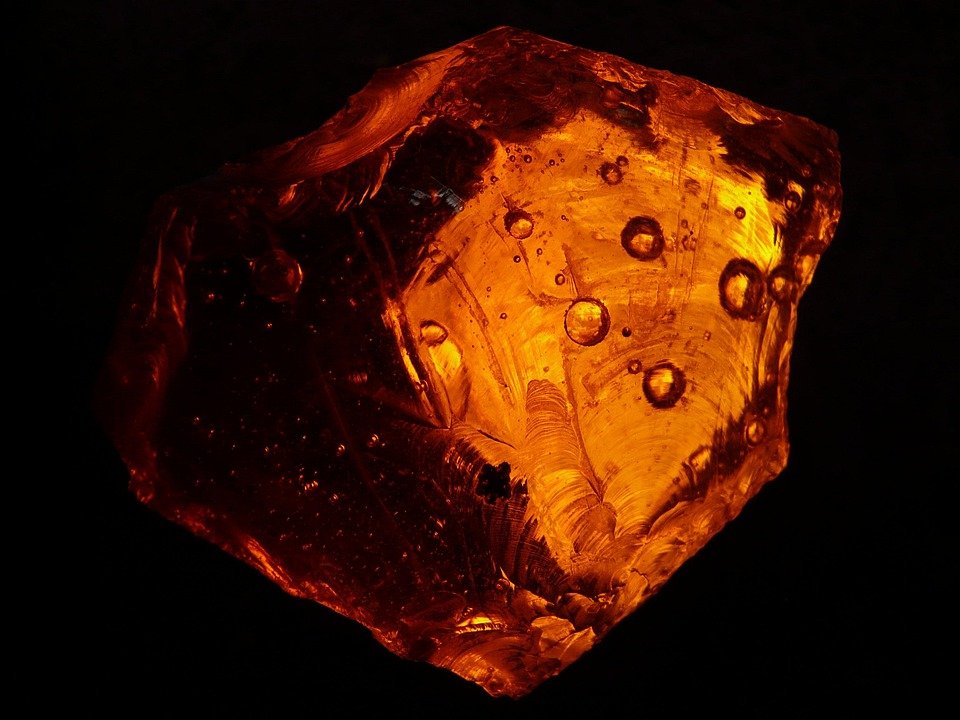
- Amber Fossils: Insects and small organisms can be trapped and preserved in tree resin, which hardens into amber. These fossils provide exquisite detail, often showing soft tissues or colors.
- Carbonized Remains: Over time, heat and pressure can drive off gases and liquids from organisms, leaving behind a thin film of carbon. This type of fossil often reveals intricate details of plant or animal structure, commonly seen in leaves and fish.
Trace Fossils
Trace fossils, also known as ichnofossils, represent the activities of organisms rather than their physical remains. These include a wide array of features left behind by living organisms.
- Footprints and Trackways: Impressions made by the feet of animals can provide information about their behavior, size, and movement patterns. Trackways can also indicate the presence of interactions among species.
- Burrows and Borings: Fossils of tunnels, burrows, or holes drilled into substrates show how organisms interacted with their environments, providing clues about habitat preference and lifestyle.
- Coprolites: Fossilized feces can give insight into the diets and digestive processes of ancient organisms, revealing which plants or animals were consumed.
- Gastroliths: Stones swallowed by animals to aid in digestion can highlight feeding strategies and behavior, particularly in dinosaurs.
The Importance of Fossils
Fossils are essential for understanding Earth’s history, including evolutionary biology and paleoenvironments. The study of fossils helps scientists reconstruct ancient ecosystems, providing evidence of how life has adapted to changing climates and habitats over time.
Conclusion
The various types of fossils—from mineralized remains to trace fossils—serve as vital records of Earth’s biological past. By studying these remnants, scientists can gain insights into prehistoric life, environmental conditions, and the processes that continue to shape our planet today.