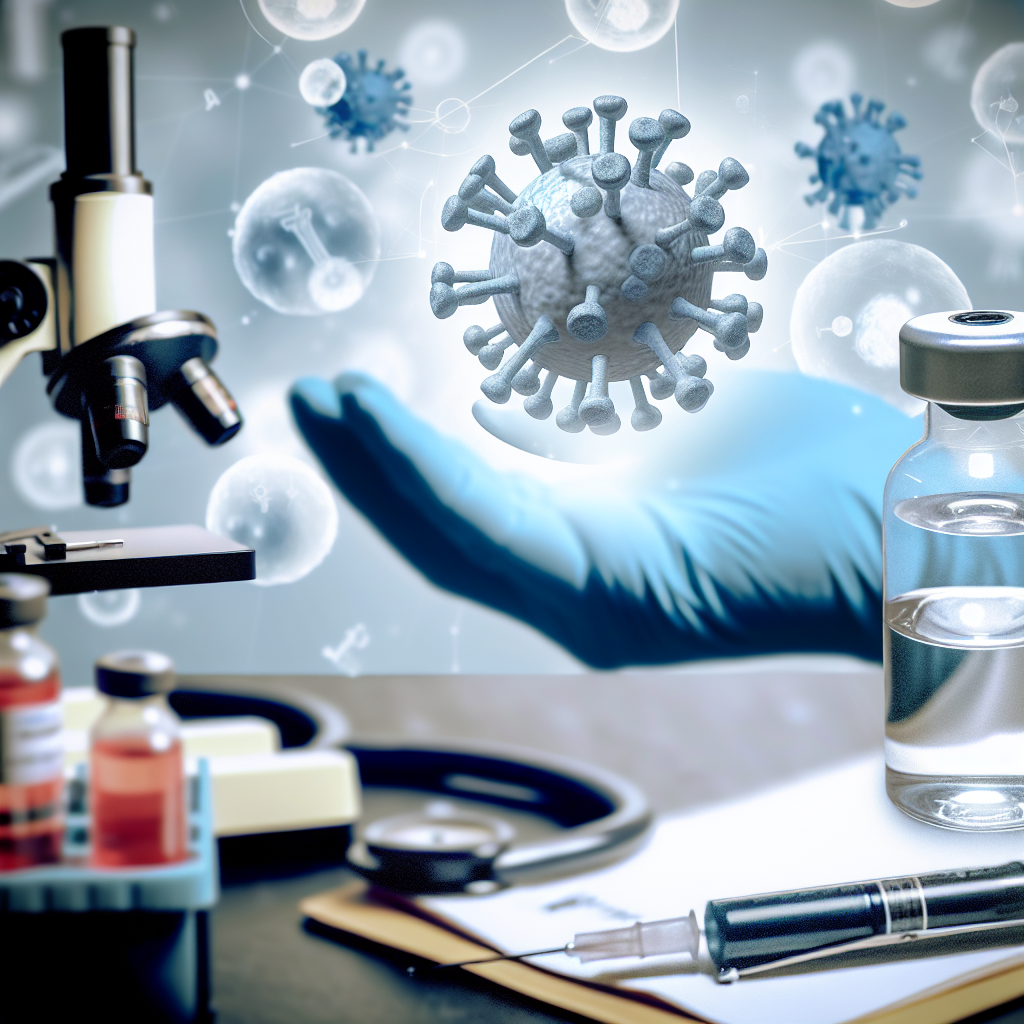
Understanding the Immune Response: The Science Behind Vaccines
The immune response is a complex biological mechanism that protects organisms from infections. Understanding this response is fundamental to the development and effectiveness of vaccines, which are crucial in preventing infectious diseases. This article explores the principles of the immune system and the science behind vaccines.
The Immune System: An Overview
The immune system is comprised of various cells, tissues, and organs that work together to defend the body against pathogens such as viruses, bacteria, and fungi. The primary components of the immune system include:
- White Blood Cells (Leukocytes): These cells are pivotal in identifying and neutralizing pathogens.
- Lymphatic System: A network of vessels that transport lymph fluid, containing immune cells, throughout the body.
- Spleen: An organ that filters blood and helps produce immune cells.
- Bone Marrow: The site of production for most blood cells, including immune cells.
Types of Immunity
Immunity can be classified into two main types:
- Innate Immunity: This is the body’s first line of defense, providing a rapid response to infections through physical barriers (like skin) and immune cells that attack pathogens.
- Adaptive Immunity: This type of immunity develops over time and involves the creation of specific responses to pathogens. It is characterized by memory cells that provide long-term protection against previously encountered pathogens.
How Vaccines Work
Vaccines are biological preparations that provide acquired immunity against a particular infectious disease. They work by introducing a harmless component of the pathogen—such as a weakened or inactivated form, a piece of its genetic material, or a protein—to stimulate an immune response without causing the disease.
Mechanism of Action
The process by which vaccines enhance the immune response involves several steps:
- Antigen Presentation: When a vaccine is administered, immune cells recognize the introduced antigens (the components of the pathogen). This triggers an immune response.
- Production of Antibodies: B cells, a type of white blood cell, are activated and begin to produce antibodies that specifically target the antigens.
- Formation of Memory Cells: Some activated B cells and T cells become memory cells, which remain in the body long after the pathogen has been eliminated. These cells enable the immune system to respond more effectively if the pathogen is encountered again in the future.
The Importance of Vaccination
Vaccination plays a critical role in public health by preventing the spread of infectious diseases. Key benefits include:
- Herd Immunity: When a significant portion of a population is vaccinated, it reduces the overall spread of disease, indirectly protecting those who are unvaccinated.
- Reduction of Disease Severity: Vaccines can lessen the severity of diseases in those who do become infected, contributing to lower hospitalization rates and decreased mortality.
- Eradication of Diseases: Vaccination campaigns have successfully led to the eradication of diseases, such as smallpox, and have significantly reduced the incidence of others, like polio.
Conclusion
Understanding the immune response is essential for appreciating how vaccines work to prevent disease. By mimicking natural infection, vaccines prepare the immune system to recognize and combat pathogens more efficiently, ultimately enhancing public health outcomes and controlling infectious diseases.