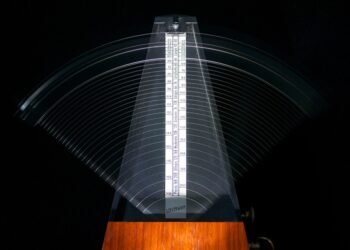
The Importance of Rhythm in Music
Rhythm is one of the fundamental elements of music, serving as the backbone that supports melody and harmony. In Western classical music, it not only dictates tempo and pace but also plays a significant role in conveying emotional depth and narrative. This article explores how rhythm contributes to the emotional impact of classical music, encompassing its history, various genres, and techniques.
Understanding Musical Rhythm
At its core, rhythm refers to the pattern of sounds in time, created by a combination of beats, notes, and rests. It involves several elements, including:
- Beat: The basic unit of time in music, like the pulse you feel in a piece.
- Meter: The organization of beats into regular groups, often defined as simple (e.g., 4/4) or compound (e.g., 6/8).
- Tempo: The speed at which a piece of music is played, affecting the intensity and emotional atmosphere.
- Rhythmic Patterns: Specific sequences of notes and rests that create interest and structure.
Historical Perspectives on Rhythm
Throughout history, the approach to rhythm in Western classical music has evolved significantly:
- Medieval Period: The use of plainchant established a foundational rhythm, primarily free meter, focused on text clarity.
- Renaissance Period: Rhythmic complexity increased with the introduction of polyphony, allowing multiple voices to interact through varied rhythmic patterns.
- Baroque Period: Composers like Johann Sebastian Bach employed detailed rhythmic structures that supported emotional expression, utilizing both steady rhythms and intricate syncopation.
- Classical Period: The establishment of sonata form emphasized rhythmic clarity, where composers such as Haydn and Mozart created contrasting themes that were rhythmically distinct, enhancing emotional contrast.
- Romantic Period: Composers like Franz Liszt and Claude Debussy expanded rhythmic freedom, utilizing rubato and shifting meters to heighten emotional expression.
Rhythm and Emotional Expression
The interplay between rhythm and emotion is a crucial aspect of musical composition. Different rhythmic qualities evoke varying emotional responses:
- Steady Rhythms: Often associated with stability and calmness, these rhythms can create feelings of security.
- Syncopation: The placement of accents on unexpected beats can generate surprise and excitement, often used in moments of intensity.
- Rubato: Translating to “stolen time,” this technique allows performers to stretch or compress rhythms, providing expressiveness and a personal touch to the emotional narrative.
- Driving Rhythms: Fast-paced and constant rhythms can create a sense of urgency or exhilaration, frequently employed in climactic sections of symphonies or concertos.
Conclusion
In summary, rhythm is a vital element in Western classical music that greatly impacts emotional expression. Its development through historical contexts and techniques has forged a rich landscape of musical storytelling. Understanding rhythm not only enhances one’s appreciation of classical compositions but also deepens the emotional connection to the music and its narrative. As composers continue to explore and expand rhythmic possibilities, the emotional power of rhythm in classical music endures and evolves.