The Evolution of Swimming Techniques Across Different Strokes: A Historical Perspective
Swimming, one of the most popular and widely practiced sports globally, has a rich history characterized by the evolution of various techniques across different strokes. From the early days of competitive swimming to modern practices, strokes such as freestyle, backstroke, breaststroke, and butterfly have undergone significant development. This article explores the historical development of swimming techniques, highlighting key milestones and foundational principles.
The Freestyle Stroke: Continuous Improvement
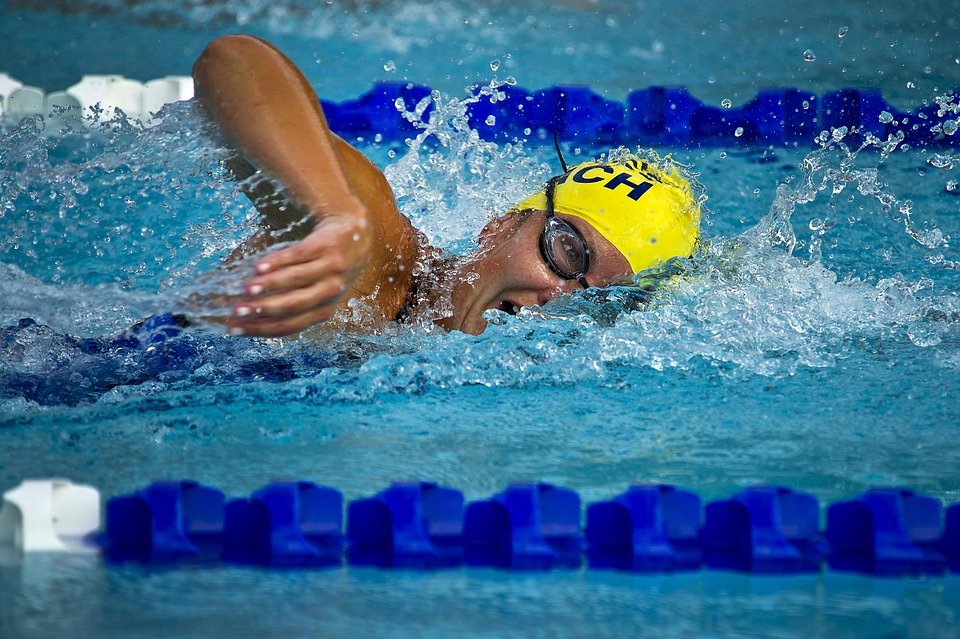
The freestyle stroke, also known as the front crawl, has seen considerable evolution since its introduction in competitive swimming. Initially, swimmers employed a dog paddle or a simple overhand arm pull.
- 19th Century Innovations: The late 1800s witnessed the first notable technique improvements, with American swimmer John Arthur “Jack” Kelly showcasing a more efficient front crawl at the 1896 Olympics.
- World Record Breakers: By the 20th century, athletes such as Duke Kahanamoku popularized a more streamlined technique that emphasized a rhythmic, alternating arm pull combined with a powerful flutter kick.
- Modern Adaptations: Today, swimmers refine their breathing techniques and body position, with a focus on reducing drag and maximizing propulsion through the water.
The Backstroke: A Unique Perspective
The backstroke is the only swimming stroke performed on the back. Its technique has transformed significantly over the years.
- Origins in the 19th Century: Early competitors relied on simple arm strokes similar to the freestyle, with minimal emphasis on body rotation and balance.
- Technical Advances: By the mid-20th century, swimmers began employing a more pronounced body rotation and an elegant arm entry, promoting endurance and speed.
- Contemporary Techniques: Current training methods focus on a streamlined position, proper kick timing, and the use of head position to enhance sight lines and balance in the water.
The Breaststroke: Precision and Timing
Breaststroke has its roots in traditional swimming techniques, often characterized by its challenging timing and body mechanics.
- Early Techniques: Historical records suggest that swimmers utilized a “frog kick” as early as the 18th century. It was a technique that prioritized stability and efficiency over speed.
- Development of Competitive Techniques: In the 20th century, swimmers began refining the stroke by separating the arm and leg movements, thus enhancing speed while maintaining the stroke’s unique rhythm.
- Modern Methodologies: Today’s breaststroke emphasizes a quicker and more powerful pull coupled with an efficient kick, allowing for faster times in competitions.
The Butterfly Stroke: A Synchronized Innovation
The butterfly stroke, known for its distinctive movement, emerged in the 20th century, evolving quickly to become one of the most challenging strokes.
- Origins in the 1930s: Initially a variant of the breaststroke, the butterfly style was officially recognized in the 1950s as its own distinct stroke.
- Pioneers of Technique: Swimmers like Zoltan Halmay were instrumental in developing the unique arm and body movements that define the stroke today.
- Current Approaches: Modern training emphasizes the undulating motion of the body, timing of the arm pull with the dolphin kick, and effective breathing techniques to maintain rhythm and speed.
Conclusion
The evolution of swimming techniques across different strokes reflects a dynamic interplay between human ingenuity, scientific understanding, and an ever-growing emphasis on performance optimization. From the freestyle’s early adaptations to the intricate motions of the butterfly, each stroke has evolved through historical innovation and athletic endeavor. Understanding these techniques not only enriches the appreciation of the sport but also provides insights into the principles of effective swimming performance.