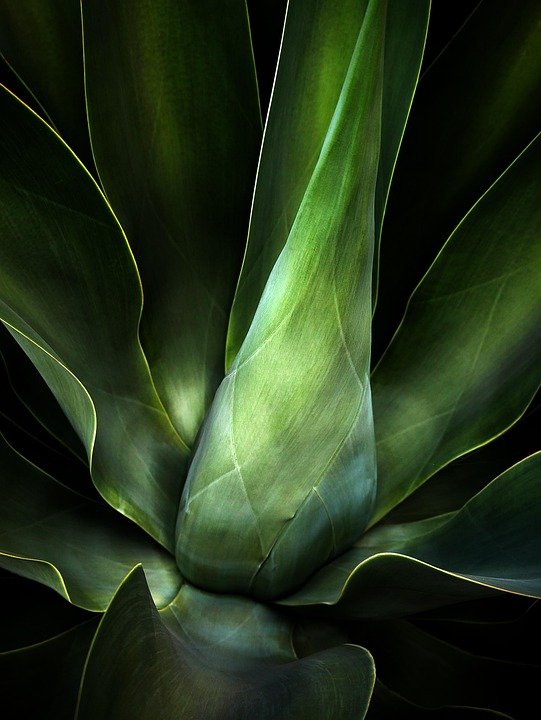
Introduction to Photosynthesis
Photosynthesis is a fundamental biological process that allows green plants, algae, and some bacteria to convert sunlight into chemical energy. This process is primarily carried out in organelles called chloroplasts, which contain the green pigment chlorophyll. Understanding how chloroplasts function to transform sunlight into usable energy forms the basis of plant biology and ecology.
The Structure of Chloroplasts
Chloroplasts are double-membrane-bound organelles found in the cells of green plants and algae. Each chloroplast contains several key components that facilitate photosynthesis:
- Thylakoids: Membrane-bound structures that contain chlorophyll and are organized into stacks called grana.
- Stroma: The fluid-filled space surrounding the thylakoids where the Calvin cycle occurs.
- Chlorophyll: The green pigments that absorb light energy, primarily in the blue and red wavelengths.
Photosynthesis Overview
Photosynthesis can be summarized in two main stages: the light-dependent reactions and the light-independent reactions (Calvin cycle).
Light-Dependent Reactions
These reactions occur in the thylakoid membranes and require light to proceed. When chlorophyll absorbs sunlight, it energizes electrons, initiating a series of reactions:
- Water Splitting: Water molecules are split (photolysis) to release oxygen, protons, and electrons.
- Electron Transport Chain: Energized electrons move through a series of proteins in the thylakoid membrane, transferring energy to create ATP and NADPH.
Calvin Cycle (Light-Independent Reactions)
The Calvin cycle takes place in the stroma and does not directly require light. Instead, it uses ATP and NADPH generated during the light-dependent reactions to convert carbon dioxide into glucose:
- Carbon Fixation: Carbon dioxide is fixed into an organic molecule, ribulose bisphosphate (RuBP), catalyzed by the enzyme RuBisCO.
- Reduction Phase: ATP and NADPH are used to convert the fixed carbon molecules into glucose.
- Regeneration of RuBP: The remaining molecules are regenerated to continue the cycle.
The Importance of Photosynthesis
Photosynthesis is crucial for life on Earth for several reasons:
- Oxygen Production: It generates oxygen as a byproduct, which is essential for the survival of aerobic organisms.
- Food Source: It is the primary source of organic matter for nearly all living organisms, forming the base of food webs.
- Carbon Dioxide Regulation: Photosynthesis helps regulate atmospheric CO2 levels, contributing to climate stability.
Conclusion
In summary, chloroplasts play a vital role in photosynthesis, transforming sunlight into energy and supporting life on Earth. Understanding this process is key not only for biology but also for informed discussions regarding environmental conservation, agriculture, and climate change.