























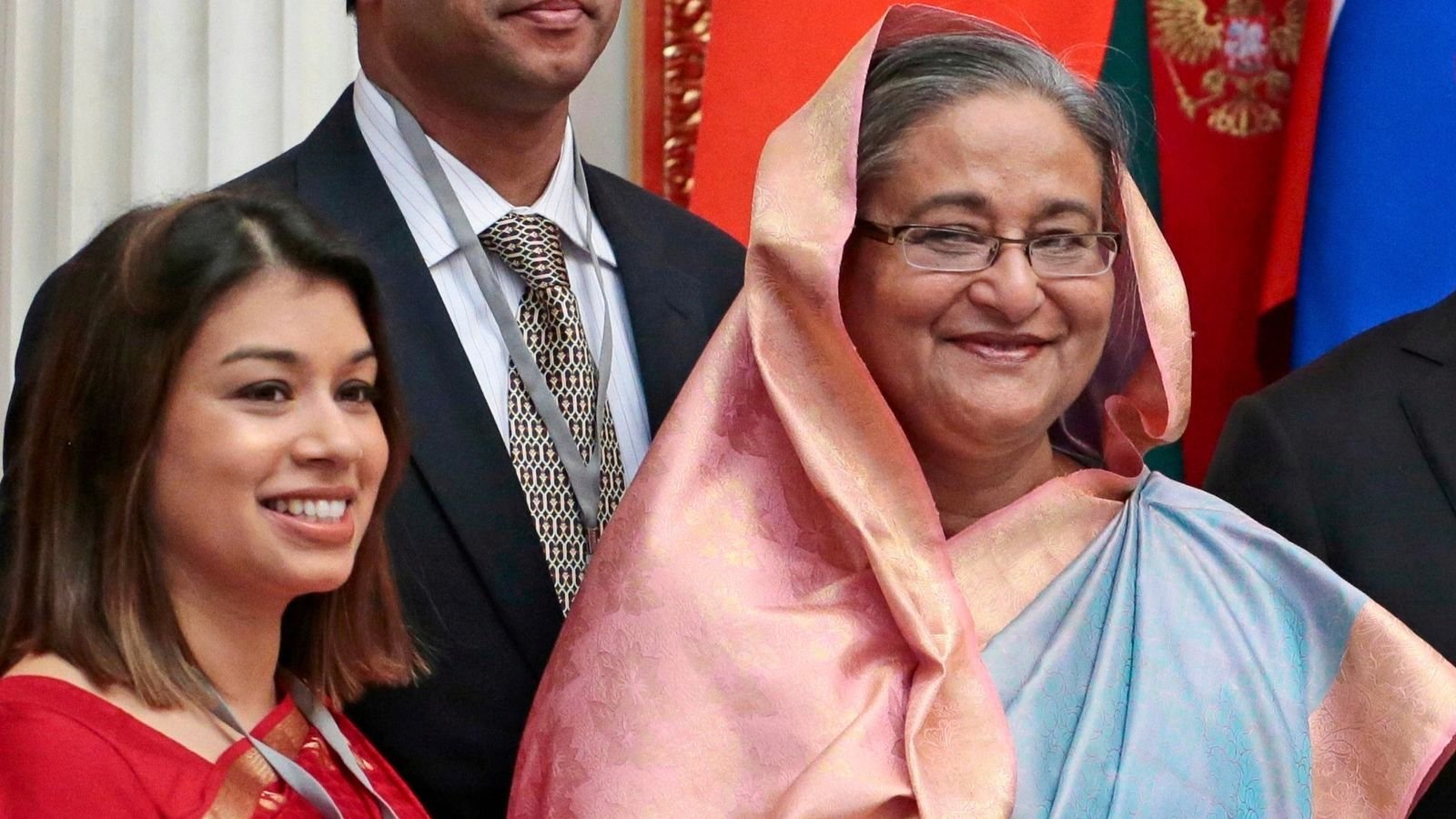
Former Bangladeshi PM and Family Sentenced in Corruption Case
Sheikh Hasina, the former Prime Minister of Bangladesh, along with her niece Tulip Siddiq, a Member of Parliament for Labour in the UK, has received prison sentences in a corruption investigation. Hasina has been given ten years in jail, while Siddiq has been sentenced to four years, amid allegations of collusion to illegally acquire land in a significant development project.
Corruption Allegations Involving Land Acquisition
The Anti-Corruption Commission in Bangladesh claims that Hasina conspired with government officials to secure six plots of land for herself and her family in the Purbachal New Town Project, which is set to include over 25,000 residential units near Dhaka. Additionally, another niece and a nephew of Hasina have been sentenced to seven years each.
Reactions From the Labour Party
Both Hasina and Siddiq have previously faced convictions in separate cases related to corruption and have denied any wrongdoing. Siddiq, who is not a Bangladeshi citizen, asserts that she did not receive any land during her aunt’s lengthy tenure and has rejected claims that she influenced her aunt’s decisions regarding land allocations for her mother and siblings.
A spokesperson for the Labour Party expressed their inability to acknowledge the ruling, stating that a number of respected senior legal professionals have noted concerns about the fairness of the legal process Siddiq underwent. They highlighted that Siddiq has not been adequately informed of the charges against her, despite repeated requests made to the Bangladeshi authorities.
Ongoing Legal Troubles for Hasina
In addition to the current sentences, Hasina has been implicated in four other corruption cases tied to the Purbachal project, resulting in a cumulative total of 26 years in prison for her misuse of power. Members of her immediate family, including her children and sister, have also received various prison sentences for related offences.
Historical Context and International Implications
The recent verdicts occur in a politically charged atmosphere just before upcoming elections in Bangladesh, where Hasina’s Awami League party has been barred from participating. The interim government, led by Muhammad Yunus, a Nobel Peace Prize laureate, now finds itself under scrutiny as the country approaches the polls.
Despite the convictions, Hasina currently resides in India, having dismissed earlier legal proceedings against her as unjust. Meanwhile, Siddiq continues her political career in the UK, raising concerns about the implications of these court decisions on international relationships and potential extradition processes, particularly in light of India’s non-response to Bangladesh’s request for Hasina’s return.
Conclusion
This unfolding legal saga not only highlights issues of governance and accountability in Bangladesh but also brings to the forefront the complexities of international law and diplomacy between the UK and Bangladesh. As the political landscape shifts, the repercussions of these verdicts are yet to be fully realised.
Background
Sheikh Hasina has a long and controversial political history, having served as Prime Minister of Bangladesh for multiple terms. Her leadership has been marked by both significant development and serious allegations of human rights violations. The corruption charges come amid broader concerns regarding the integrity of legal processes in the country, particularly for political figures associated with the previous administration.
Source: Original Article






