Iran Condemns EU Decision to Designate Revolutionary Guard as Terror Group
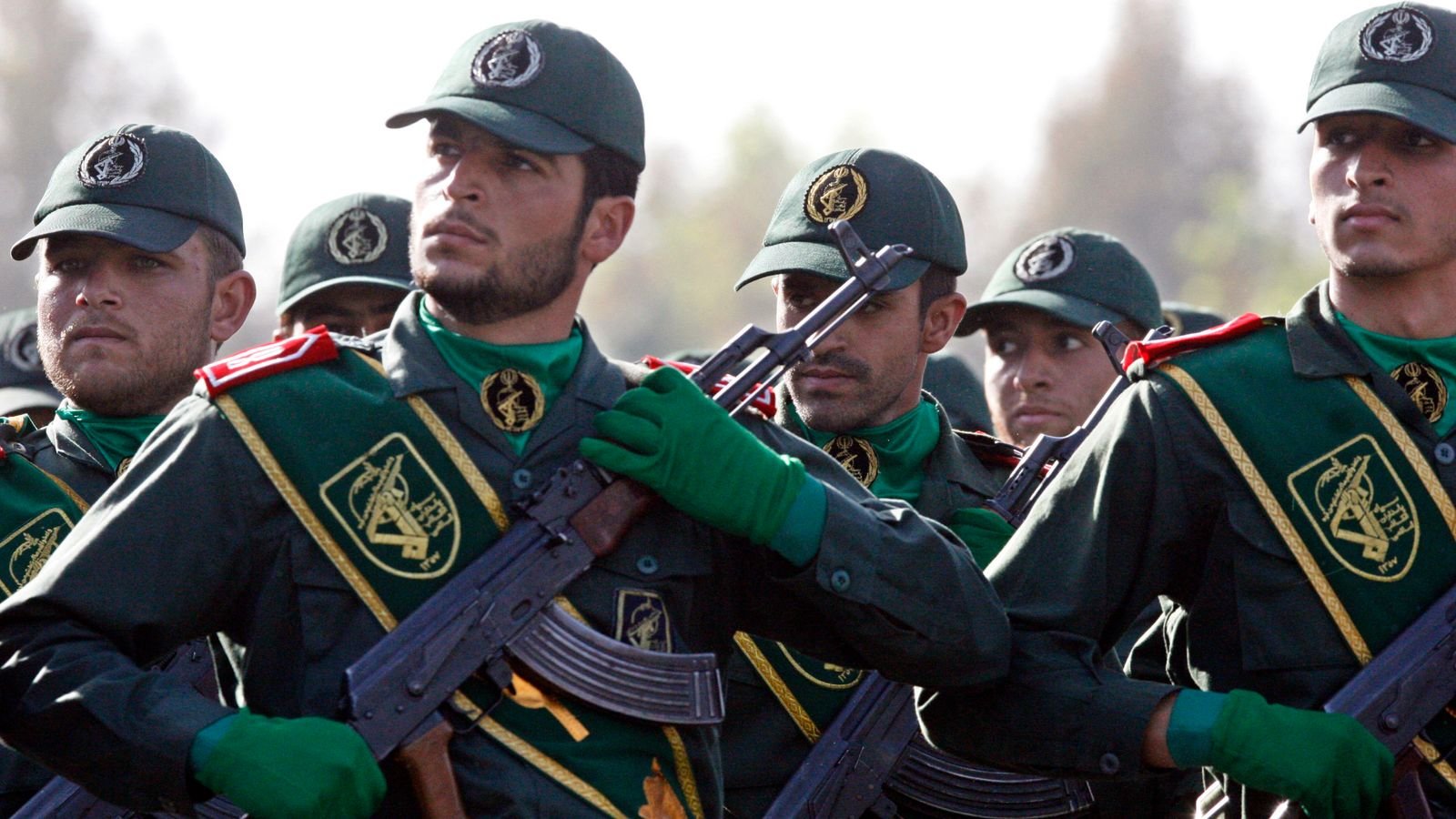
Iran is taking diplomatic action by summoning ambassadors from the European Union following the bloc’s recent decision to classify its Revolutionary Guard as a terrorist organisation. This move, announced last week in light of Iran’s violent crackdown on protests resulting in significant fatalities, has sparked tensions between Tehran and European nations.
Iran’s Diplomatic Response
Esmail Baghaei, spokesperson for Iran’s foreign ministry, revealed that discussions about the EU’s classification began on Sunday and are set to extend into Monday. He warned that Iran might retaliate against what it considers an “illegal and unreasonable” decision by the EU.
In reaction to the EU’s actions, the speaker of Iran’s parliament declared this week that all European Union military forces would now be considered terrorist groups, invoking a law from 2019.
Context of the EU’s Decision
The EU’s designation of the Revolutionary Guard comes amid rising unrest in Iran, where weeks of protests have led to a government crackdown that has resulted in numerous casualties. This classification aligns the EU with similar actions taken by countries like the US and Canada, although it is largely viewed as a symbolic gesture. Nevertheless, it could intensify the economic sanctions faced by Iran, exacerbating existing pressures on the regime.
US Involvement and Potential Diplomacy
Adding to the complexity of the situation, US President Donald Trump has threatened military intervention, sending the USS Abraham Lincoln aircraft carrier and several guided-missile destroyers to the region. Despite these tensions, there are indications from both Washington and Tehran that they may be open to reviving diplomatic discussions.
An Iranian foreign ministry official noted that the country is assessing conditions for resuming talks with the United States, as President Trump has expressed an interest in reaching a deal.
Background
The Revolutionary Guard was established following Iran’s Islamic Revolution in 1979, intended to protect the newly formed clerical regime. Over the years, it has expanded its influence, particularly during the long conflict with Iraq in the 1980s, and has since grown into a powerful force, infiltrating many sectors of Iran’s economy and political landscape. It has been a key player in suppressing this year’s protests, which have confronted the government’s authority.
Source: Original Article