






















World Without Nuclear Arms Control: The Expiration of the Last Treaty
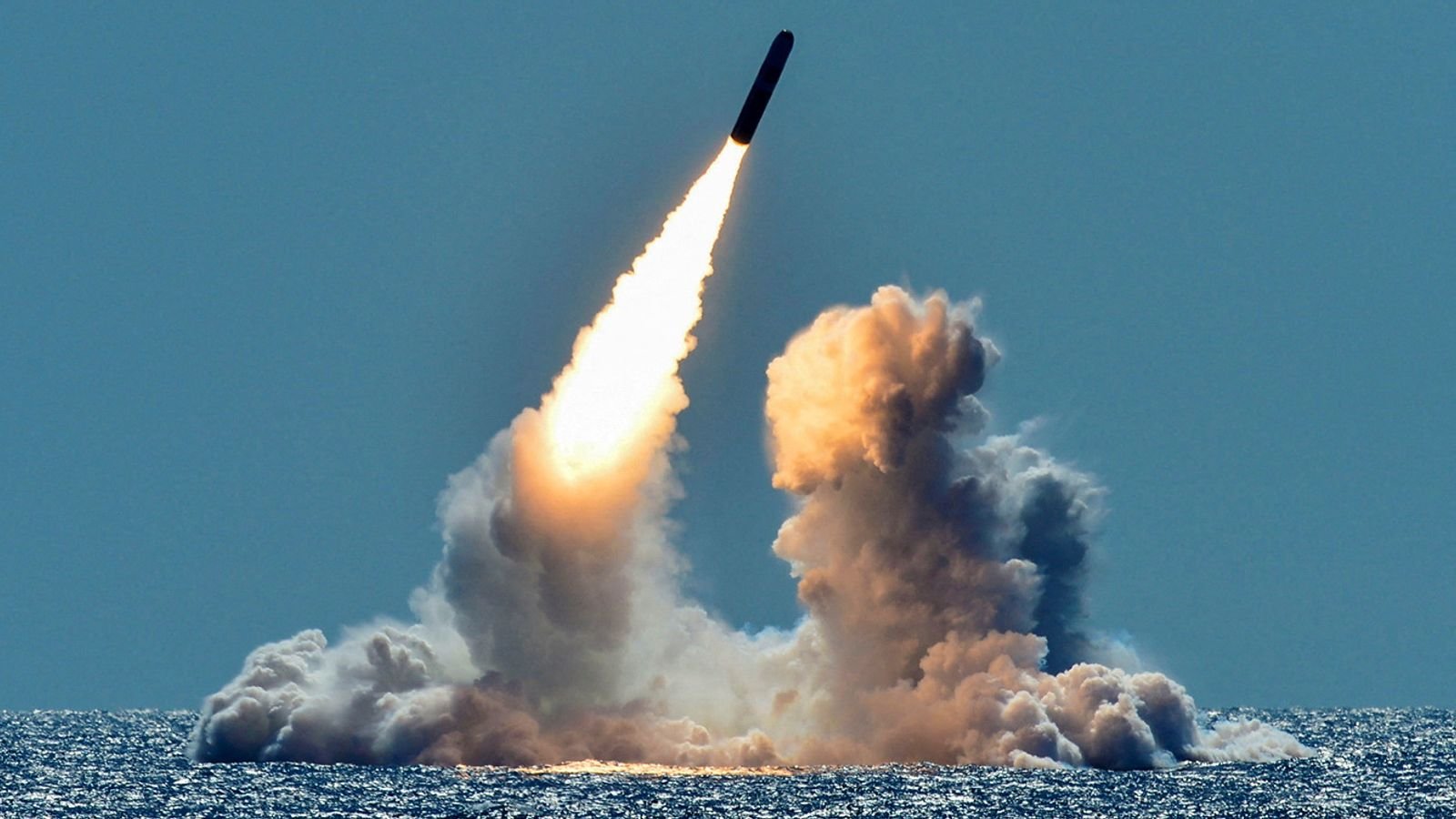
The imminent expiry of the last major nuclear arms control treaty between Russia and the United States marks a pivotal moment in global security. With the New START treaty set to expire on Thursday, there will be no formal restrictions on the nuclear arsenals of either country for the first time in over fifty years, raising concerns about the potential for a renewed arms race.
Concerns Over a Renewed Arms Race
Experts are alarmed by the lack of boundaries governing nuclear weapons, with research fellow Vasily Kashin from Moscow’s Higher School of Economics warning of the unpredictable developments this could provoke, especially in US nuclear policy. He described the situation as serious, cautioning that the risk of a nuclear arms race is real and imminent.
A Historical Perspective on Nuclear Arms Control
The first arms control agreement between the United States and the Soviet Union was established in 1972 during the Cold War, aimed at mitigating the risks associated with nuclear proliferation. This agreement was a significant diplomatic achievement that sought to cool tensions between these superpowers and prevent catastrophic misunderstandings.
In 1991, amid the collapse of the Soviet Union, the START treaty was signed by US President George H.W. Bush and Soviet leader Mikhail Gorbachev, introducing the first serious reductions of nuclear stockpiles and an inspection framework to ensure compliance.
The most recent treaty, known as New START, was signed in 2010 by Barack Obama and Dmitry Medvedev, limiting each nation to 1,550 deployed strategic warheads and 700 delivery vehicles. These caps remained until Thursday’s expiration, which signals a departure from decades of cooperative arms regulation.
The Breakdown of US-Russia Relations
The erosion of trust between Russia and the US, particularly following Russia’s invasion of Ukraine in 2022, has hindered any negotiations for a new agreement. As circumstances stand, the New START treaty can only be formally extended once, and discussions for further treaties have not materialised.
While Russian President Vladimir Putin has suggested a temporary extension, former US President Donald Trump has yet to respond, leading some analysts to warn that the US could face future disadvantages in an arms competition. However, others argue that allowing for unrestricted nuclear capabilities could enable the US to concentrate on countering emerging threats from nations like China.
Looking Forward: Uncertain Prospects for Nuclear Diplomacy
President Trump’s aspirations for a new trilateral treaty that would encompass China reflect a desire for a broader approach to nuclear negotiations. Yet, experts caution that such ambitions may be overly optimistic, given past challenges in bilateral and multilateral talks.
Nikolai Sokov, a former arms control negotiator, remarked that previous attempts at trilateral agreements have not been seriously pursued, and the official stances of Russia and China favour either bilateral discussions or broader group negotiations including the UK and France.
Conclusion
Unless an unexpected agreement is reached, the expiration of the New START treaty thrusts the world into uncertain territory regarding nuclear arms control. Although immediate changes in strategic stability may not occur, this development epitomises the deteriorating relations between the US and Russia, with potentially grave consequences for global security.
Background
Arms control treaties have historically played a crucial role in maintaining peace among nuclear powers. The New START treaty’s expiration has raised fears of a destabilised security landscape, evoking memories of the tense Cold War period. The current geopolitical climate necessitates urgent consideration of diplomatic initiatives to avert a new arms race and ensure international safety.
Source: Original Article






