Introduction
In 1953, James Watson and Francis Crick proposed a model of the structure of deoxyribonucleic acid (DNA) that revealed critical insights into the molecular basis of genetics. This groundbreaking discovery not only elucidated the helical structure of DNA but also significantly advanced the field of molecular biology.
The Structure of DNA
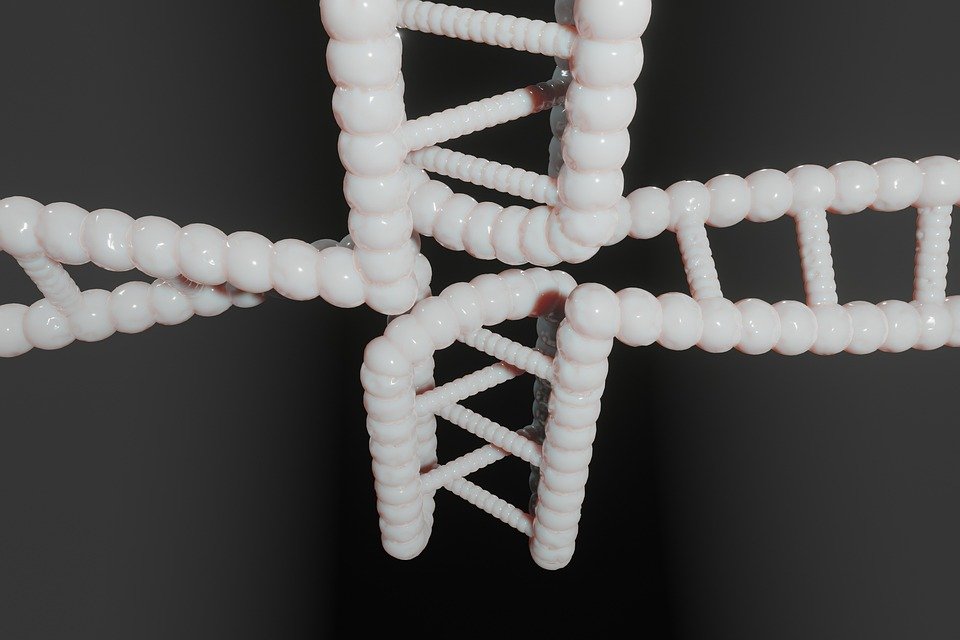
The DNA molecule consists of two long strands that coil around each other to form a double helix. Each strand is composed of a backbone made of sugar and phosphate groups, with nitrogenous bases—adenine (A), thymine (T), cytosine (C), and guanine (G)—attached to the sugar.
- Base Pairing: Watson and Crick identified that A pairs with T, and C pairs with G, forming specific base pairs that are essential for DNA’s replication and function.
- Antiparallel Strands: The two strands of the double helix are antiparallel, meaning they run in opposite directions, which is critical for the replication and transcription processes.
- Helical Structure: The twisted shape of the double helix allows for efficient packing of the genetic material into the nucleus of a cell.
The Impact on Molecular Biology
Watson and Crick’s model had profound implications for molecular biology, influencing various aspects of genetics and biochemistry.
- Understanding Genetic Inheritance: Their model provided insights into how DNA replicates during cell division, leading to the understanding of inheritance patterns.
- Protein Synthesis: The elucidation of the genetic code and the role of mRNA in protein synthesis was made possible, as their model also explained how genes are expressed through the synthesis of proteins.
- Biotechnology: The understanding of DNA structure has paved the way for biotechnological advances, including recombinant DNA technology and genetic engineering.
Scientific Validation
The model proposed by Watson and Crick inspired a wave of research that has confirmed and expanded upon their findings. Techniques such as X-ray diffraction and ultimately, sequencing technologies, have validated their depiction of DNA’s structure and opened new avenues for biological research.
Conclusion
Watson and Crick’s discovery of the double helix structure of DNA marked a turning point in the life sciences. Their work laid the foundational principles that have shaped modern molecular biology and genetics, influencing not only scientific research but also medicine, biotechnology, and our overall understanding of life.