Introduction to Vaccines
Vaccines are biological preparations that provide acquired immunity to a particular infectious disease. By imitating an infection, vaccines stimulate the immune system to recognize and combat pathogens effectively. This article explores the various types of vaccines and the scientific principles that underpin their development and function.
Types of Vaccines
Vaccines can be classified into several categories based on their composition and method of activation. The principal types of vaccines include:
- Live Attenuated Vaccines
- Inactivated or Killed Vaccines
- Subunit, Recombinant, or Protein Vaccines
- Toxoid Vaccines
- mRNA Vaccines
- Viral Vector Vaccines
These vaccines contain a weakened form of the pathogen that is capable of replicating but does not cause disease in healthy individuals. Examples include the measles, mumps, and rubella (MMR) vaccine. The weakened pathogen induces a robust immune response without leading to illness.
Inactivated vaccines are made from pathogens that have been killed or inactivated so that they can no longer cause disease. An example is the polio vaccine (IPV). These vaccines usually require multiple doses to achieve sufficient immunity as they do not replicate in the body.
These vaccines use pieces of the pathogen, such as proteins or sugars, to stimulate an immune response. The human papillomavirus (HPV) vaccine is an example. This type minimizes the risk of side effects, as it only contains specific antigens.
Toxoid vaccines are produced by inactivating the toxins made by the bacteria responsible for a disease. Examples include the diphtheria and tetanus vaccines. These vaccines work by inducing immunity against the toxin rather than the pathogen itself.
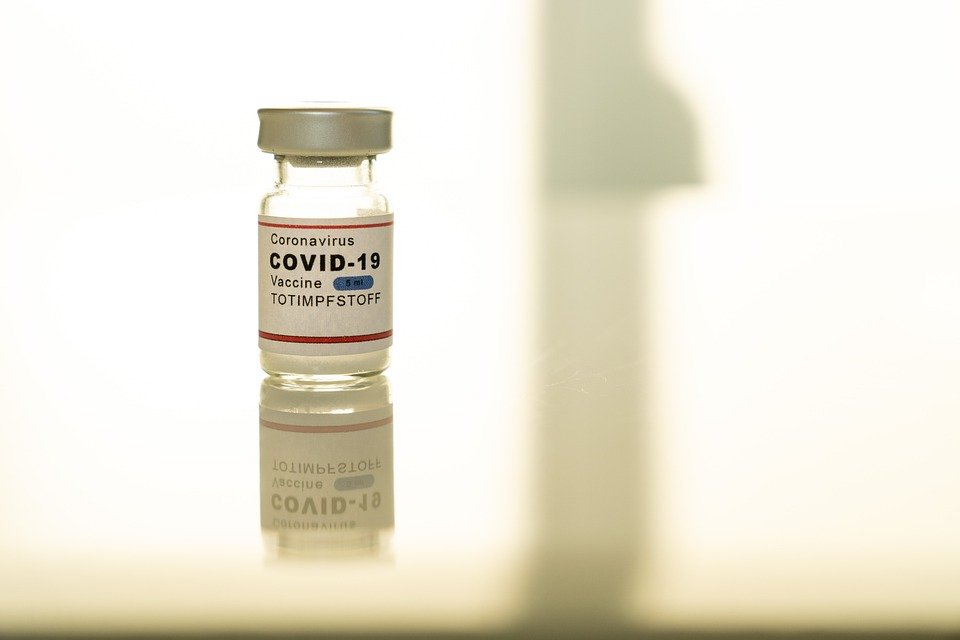
mRNA vaccines represent a novel approach that uses messenger RNA to instruct cells to produce a protein similar to that of the pathogen, which then triggers an immune response. The Pfizer-BioNTech and Moderna COVID-19 vaccines are prominent examples. These vaccines do not interact with a person’s DNA.
These vaccines use a harmless virus as a delivery system to introduce genetic material from the target pathogen. The viral vector stimulates an immune response without causing disease itself. An example of this technology is the Johnson & Johnson COVID-19 vaccine.
Mechanisms of Action
Regardless of type, all vaccines function by mimicking a natural infection to prepare the immune system. Upon vaccination, the immune system generates a response that typically includes the production of:
- Antibodies – proteins that specifically target and neutralize pathogens.
- T cells – a component of the adaptive immune response that helps coordinate the immune response and destroy infected cells.
This response creates “memory” in the immune system, allowing for a quicker and more effective response upon future exposure to the actual pathogen.
Conclusion
The development of vaccines has been a major milestone in public health, significantly reducing the burden of infectious diseases. By understanding the various types of vaccines and their scientific principles, we can better appreciate their role in promoting health and preventing disease in populations worldwide.