Jewellery has long been a pivotal element in the world of fashion, acting as both an adornment and a statement of identity. From the intricate pieces of antiquity to the sleek modern designs that define current aesthetics, the role of jewellery in outfit styling has evolved dramatically while retaining its core significance as a versatile accessory.
Historical Context of Jewellery in Fashion
The history of jewellery dates back thousands of years, with early pieces crafted from natural materials such as shells, bones, and stones. As civilizations advanced, materials like gold, silver, and precious gemstones became prominent. Ancient cultures often used jewellery not merely for decoration but as symbols of power, belief, and social status.
- Egyptians: Gold collars and intricate beadwork not only adorned the elite but also conveyed religious beliefs.
- Romans: Used jewellery to denote rank, with elaborate brooches and rings often passed down through generations.
- Victorians: Popularized the use of mourning jewellery, embedding sentimental value into adornments.
The Evolution of Styles
As styles transitioned through various historical periods, so too did the function and design of jewellery. The early 20th century brought significant changes, influenced by notable designers who shaped modern jewellery aesthetics.
- Art Nouveau (1890-1910): Characterized by organic forms and flowing lines, this period saw jewellery that mimicked nature.
- Art Deco (1920s-1930s): Emphasized geometric shapes and bold colors, reflecting the dynamic spirit of the Jazz Age.
- Mid-Century Modern (1940s-1960s): Brought about sleek, minimalist designs that highlighted artistry over extravagance.
Contemporary Understanding of Jewellery in Outfit Styling
In modern fashion, jewellery remains a vital tool for personal expression. Its role in outfit styling can be understood through various concepts:
- Accentuation: Jewellery can draw attention to specific features, such as a neckline, wrist, or hair.
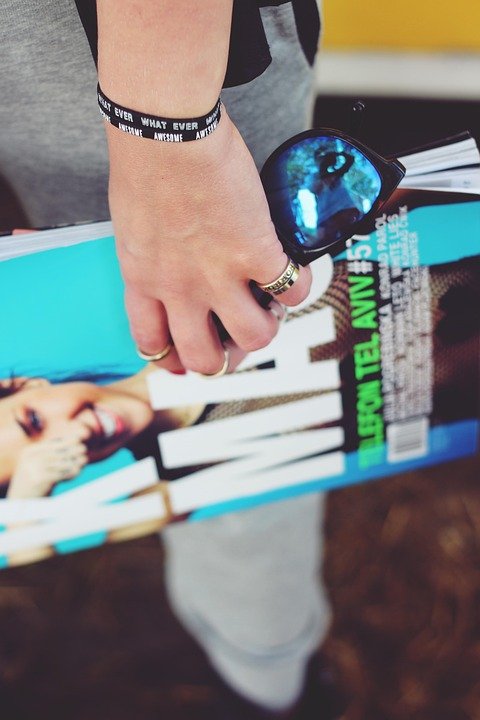
- Layering: The artful stacking of rings, bracelets, or necklaces allows for a personalized touch, enabling individuals to showcase their unique style.
- Contrast: The juxtaposition of different materials or styles can create visually striking ensembles. For instance, pairing delicate pieces with bold outfits can enhance overall visual interest.
Conclusion
From its ancient origins to contemporary designs, jewellery continues to enrich the art of outfit styling. It serves to transcend trends, offering a means of self-expression that allows individuals to curate their style, tell their stories, and connect with the rich tapestry of fashion history. As fashion continues to evolve, the timeless role of jewellery remains constant, proving its enduring significance across generations.