






















Chief of Staff Resigns Amid Backlash Over Mandelson Appointment
Morgan McSweeney has stepped down as chief of staff to the Labour leader, following intense criticism from Labour MPs regarding the controversial appointment of Peter Mandelson as the US ambassador. This decision has led to demands from backbenchers for McSweeney to resign as a scapegoat for the difficulties his boss now faces.
Controversial Appointment
McSweeney, who played a pivotal role in the Labour Party’s victory in July 2024, had a long-standing relationship with Mandelson, a key architect of New Labour’s rise. Their collaboration spanned many years, including during last September’s cabinet reshuffle, where the two had worked closely together.
In his resignation letter, McSweeney acknowledged the flawed decision to recommend Mandelson, stating, “I take full responsibility for that advice.” However, he noted that he was not involved in the vetting process, which has come under scrutiny for inadequately addressing the troubling association between Mandelson and convicted sex offender Jeffrey Epstein.
Backbench Pressure
The degree of backlash McSweeney faced was significant. Many Labour MPs expressed dissatisfaction with the appointment, leading to an escalating call for accountability. No 10 is hoping that McSweeney’s resignation will quell the unrest among frustrated backbenchers, yet critics warn that making an advisor the fall guy carries substantial risks.
The Fallout for Starmer
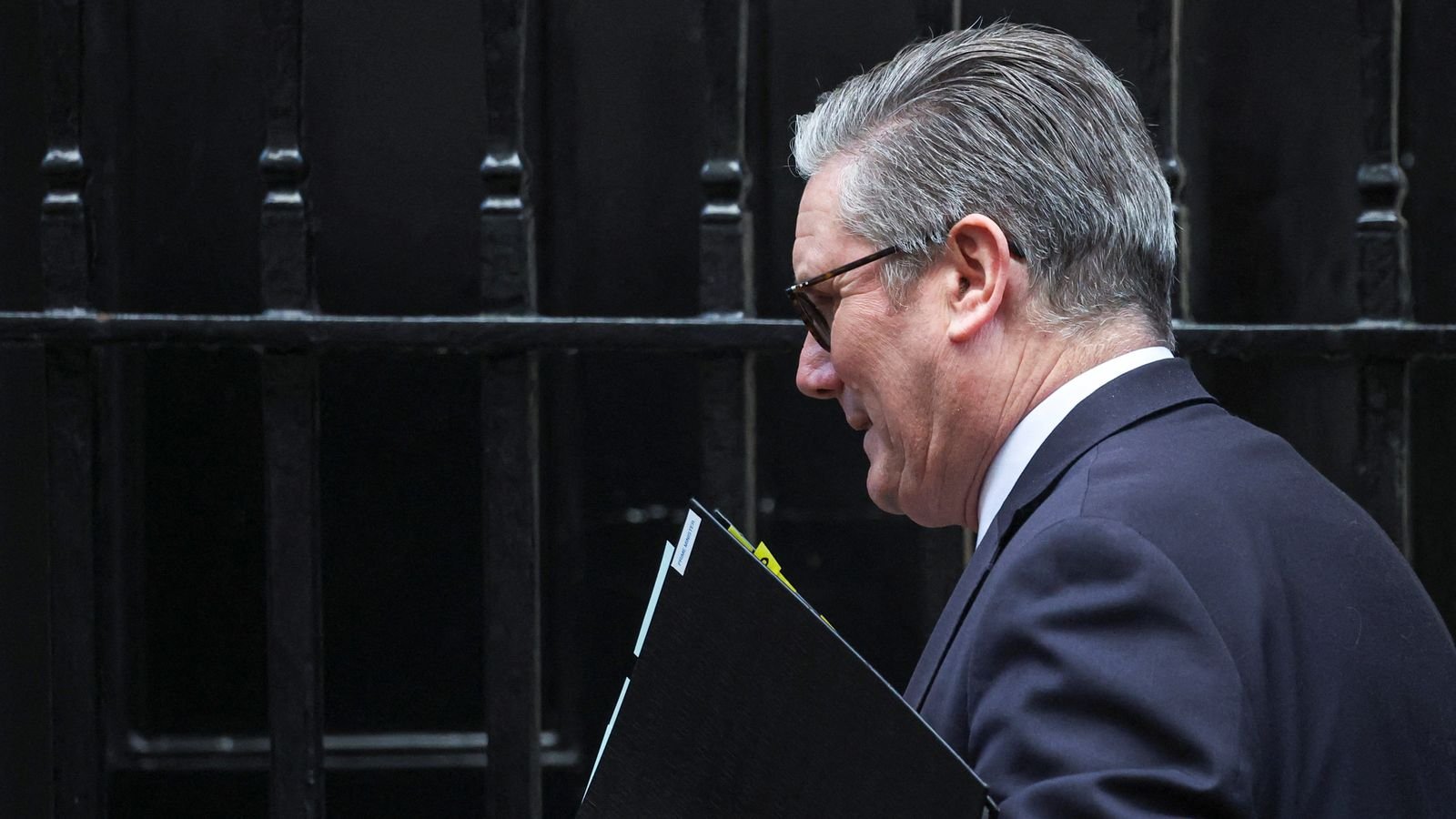
With McSweeney’s departure, Prime Minister Keir Starmer is left navigating a precarious political landscape without his trusted advisor. The resignation raises questions about Starmer’s leadership and decision-making capabilities, as some commentators suggest that the PM appears to be avoiding responsibility for the missteps that have emerged from this situation.
Background
This incident comes amid broader concerns regarding Labour’s approach to leadership and accountability. As political analyst Pat McFadden emphasized, “Prime ministers have to take responsibility for the decisions that they make.” The contrasting views on leadership and accountability inside the party highlight ongoing tensions that could impact future strategies and public perception.
The Labour Party’s future may hinge on how effectively it manages these internal conflicts and responds to the public’s concerns surrounding such controversial appointments.
Source: Original Article






