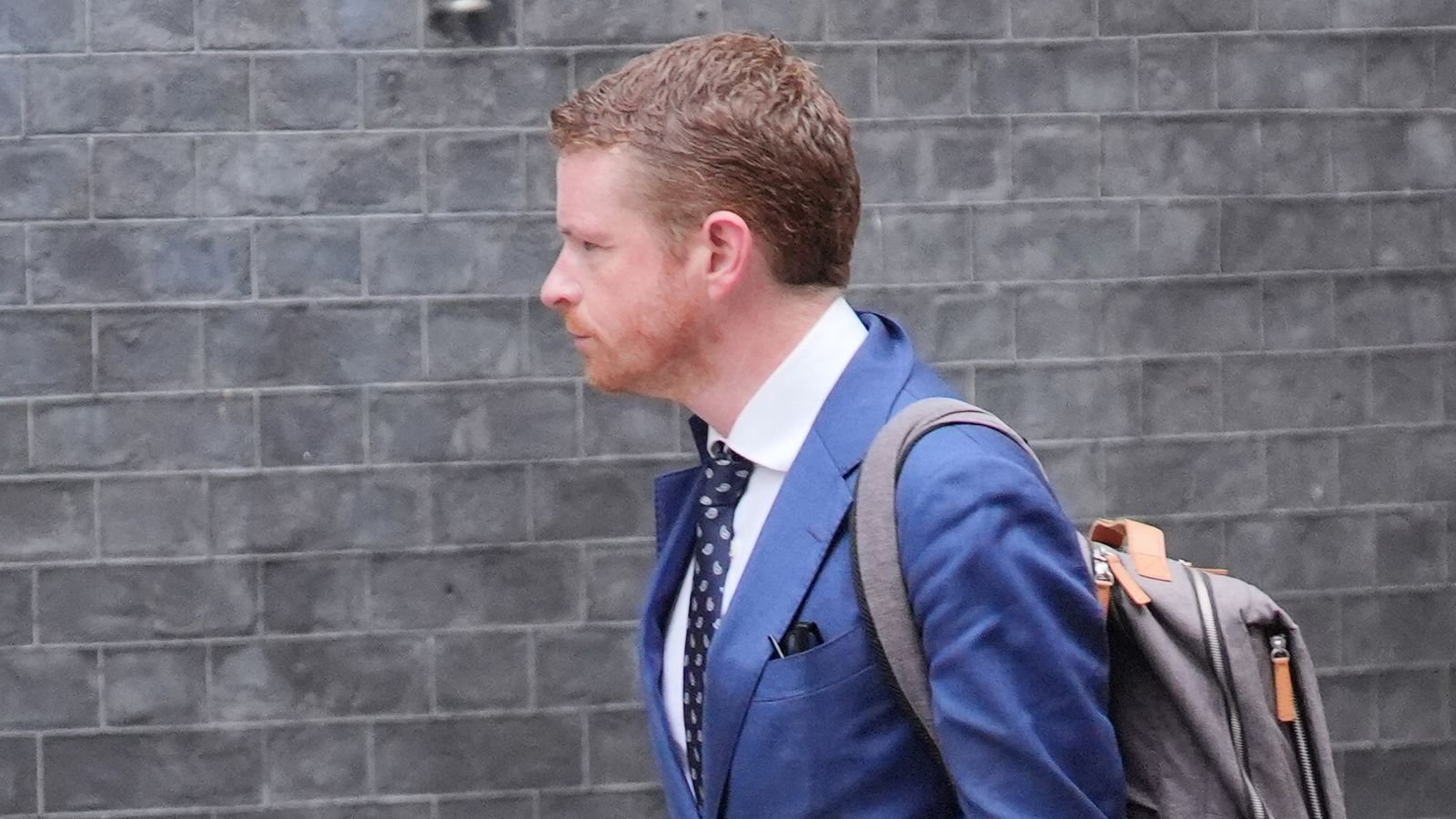
The Impact of Morgan McSweeney on Labour’s Direction Under Sir Keir Starmer
Morgan McSweeney, a pivotal figure in Labour’s recent political operations, has played a significant role in shaping the party’s direction during Sir Keir Starmer’s leadership. His influence has drawn both praise and criticism as the Labour Party navigates internal dynamics and external challenges.
Early Life and Political Ascent
Originally from Macroom, County Cork, McSweeney began his political career at Lambeth Council alongside Steve Reed, the current housing secretary. This role marked his initial confrontation with left-wing opponents, a challenge that would define his path within the Labour Party.
The 2006 Lambeth Revival
In 2006, McSweeney was instrumental in Labour’s return to power in Lambeth, focusing efforts on eradicating the influence of hard-left factions that had held sway in previous decades. His campaign aimed to distance the party from figures like “Red” Ted Knight, a notable leftist who had been expelled in the 1950s as Labour sought to purge Trotskyist elements.
Challenges Under Jeremy Corbyn’s Leadership
Fast forward to 2017, McSweeney found himself critical of Jeremy Corbyn’s leadership, which he felt mirrored the shortcomings of hard-left figures in Lambeth. He took on the role of director at Labour Together, a think tank that countered the prevailing leftist ideology, aiding Starmer’s election as Labour leader in 2020.
Controversies and Criticisms
Following his appointment as chief of staff to Starmer, McSweeney faced allegations of marginalizing leftist perspectives within the party. Critics argued that he manipulated parliamentary candidacy processes to suppress dissenting voices, a tactic that exacerbated tensions among Labour MPs.
As controversies grew, McSweeney became a focal point of frustration following Labour’s struggles, particularly regarding welfare reforms. Detractors accused him of dismissing the concerns of MPs, leading to a situation where intervention from figures like Angela Rayner was necessary to minimize backlash against cuts proposed by the party.
Impact of the Hartlepool By-election
A significant setback for McSweeney’s reputation occurred with the 2021 Hartlepool by-election, where the Conservatives gained a seat previously held by Labour since its creation in the 1970s. This loss raised doubts about his capabilities in managing the chief of staff role, although Starmer ultimately reinstated him after a power struggle over leadership appointments.
Political Fallout and Future Implications
Recent events, particularly McSweeney’s role in endorsing controversial appointments within the party, have heightened scrutiny of his influence. The backlash against him intensified when it was suggested that he had pursued the appointment of Peter Mandelson as US ambassador, a decision that strained Labour’s image amid broader scandals involving Mandelson.
With both historical and current allies now publicly critical of Labour’s leadership, Sir Keir Starmer faces a complex landscape. The challenges posed by former close associates highlight the precariousness of his position and the operational dynamics within his inner circle.
Background
This series of events is vital in understanding the current state of the Labour Party as it seeks to regain electoral viability after years in opposition. As McSweeney continues to navigate the political landscape, the repercussions of his actions may have lasting effects on Labour’s future strategy and cohesion.
Source: Original Article