The Oceanic Garbage Patch refers to large concentrations of marine debris, primarily composed of plastic, that accumulate in specific areas of the ocean. These patches are not solid islands of trash but rather regions with a high density of debris dispersed over vast areas, caused predominantly by ocean currents.
Origins of the Oceanic Garbage Patch
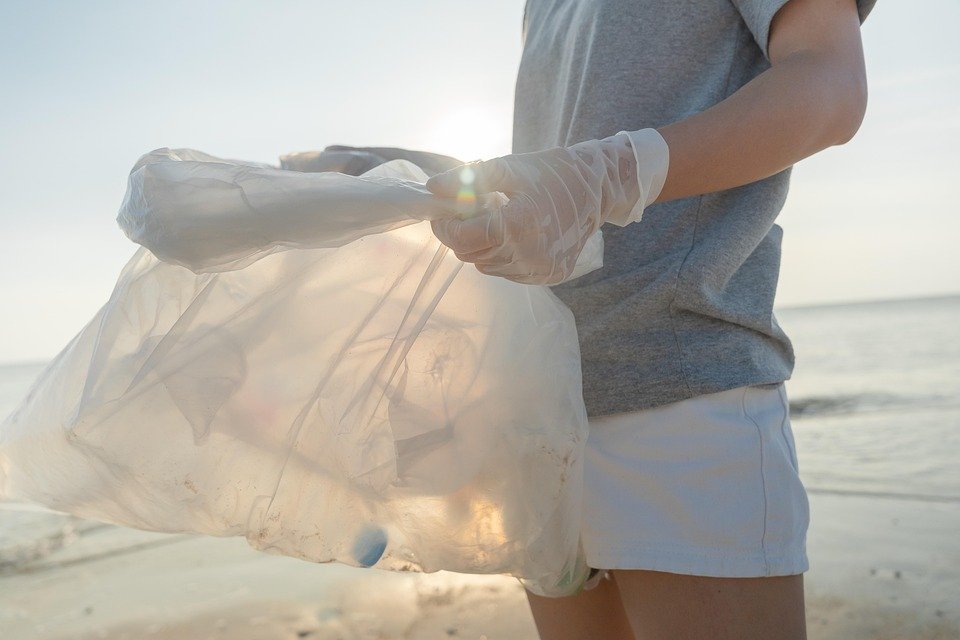
The primary origin of the oceanic garbage patches is human activity. With the increase in plastic production since the mid-20th century, a significant amount of plastic waste has entered ocean systems. Most of this waste originates from land-based sources, including:
- Mismanaged waste disposal and littering
- Stormwater runoff
- Poor waste management practices
Additionally, marine activities such as fishing and shipping contribute to marine debris. Abandoned fishing gear, such as nets and lines, plays a significant role in the formation of these patches. Plastics can take hundreds of years to decompose, resulting in their accumulation in marine environments.
Composition of the Oceanic Garbage Patch
The composition of the oceanic garbage patches is predominantly plastic, comprising various items including:
- Plastic bottles
- Plastic bags
- Food wrappers
- Styrofoam containers
- Microplastics
Microplastics, defined as plastic particles smaller than 5mm, are of particular concern. They can originate from the breakdown of larger plastic debris or be manufactured as small particles used in products like cosmetics and industrial materials. The pervasive nature of microplastics allows them to enter the food chain, posing ecological risks.
Environmental Consequences
The environmental implications of the oceanic garbage patches are extensive and multifaceted:
- Harm to Marine Life: Sea creatures can ingest plastic debris, leading to injury or death. Additionally, entanglement in larger pieces of waste can severely affect animal populations, particularly among species like sea turtles and marine mammals.
- Disruption of Ecosystems: The accumulation of debris can alter habitats, affecting species composition and abundance. For instance, growths of certain algae on plastic can encourage invasive species to colonize new areas.
- Trophic Transfer of Pollutants: Plastics can absorb harmful chemicals from the ocean, such as persistent organic pollutants (POPs). When ingested by marine organisms, these pollutants can bioaccumulate and biomagnify up the food chain, affecting larger species, including humans.
Efforts to mitigate the impact of oceanic garbage patches include improving waste management practices, promoting recycling, and increasing public awareness about the consequences of plastic pollution. Understanding the origins, composition, and environmental consequences of these patches is essential to address this critical global issue effectively.