






















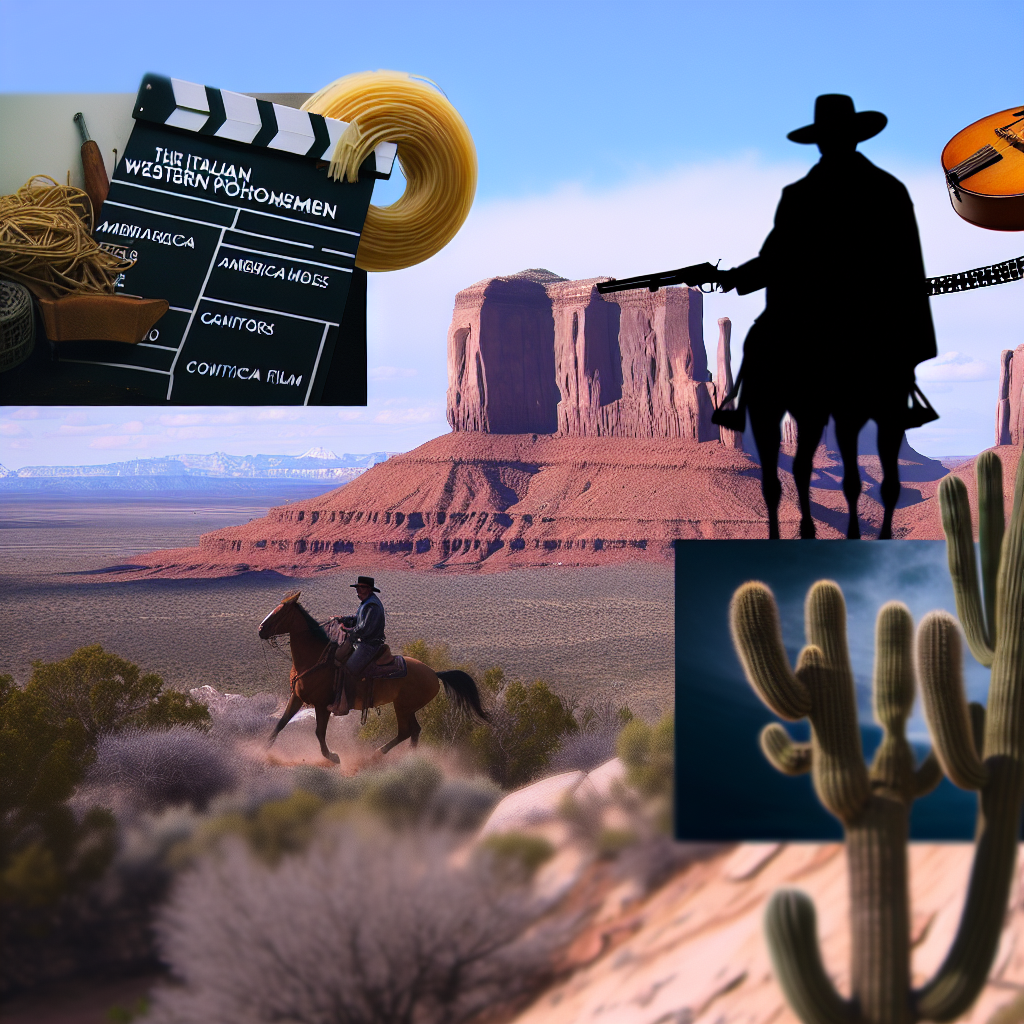
The Italian Western: A Genre Transformed
Emerging in the 1960s, the Italian Western, also known as Spaghetti Western, revolutionized the portrayal of the American frontier in film. This unique genre differs significantly from its American predecessors, offering a gritty, often satirical take on the Western narrative. Utilizing a blend of cultural influences, innovative storytelling, and striking cinematographic styles, Italian filmmakers redefined traditional American themes and archetypes.
Historical Context
The rise of the Spaghetti Western coincided with a decline in American Western films, particularly during the social upheavals of the 1960s. Italian directors sought to create films that reflected contemporary social themes, often incorporating political commentary and existential philosophy. The genre gained momentum not just in Italy but globally, appealing to audiences yearning for a more raw and unfiltered depiction of the Wild West.
Key Directors and Their Contributions
Several notable directors played pivotal roles in establishing and popularizing the Italian Western genre. Their distinctive styles and approaches to storytelling paved the way for numerous films that continue to influence cinema today.
- Sergio Leone: Often regarded as the father of the Spaghetti Western, Leone’s films such as “A Fistful of Dollars” and “The Good, the Bad and the Ugly” introduced a new visual language characterized by close-ups, long takes, and sweeping landscapes. His use of Ennio Morricone’s innovative scores added emotional depth and memorability.
- Sergio Corbucci: Known for films like “Django” and “The Great Silence,” Corbucci explored darker themes and antihero characters, pushing the genre’s boundaries. His work often included violent imagery and social commentary that questioned the American ideal.
-
: Though primarily associated with art films, Bertolucci’s approach in “The Spider’s Strategem” borrowed elements from Westerns, contributing to the genre’s evolution and complexity.
Iconic Actors
The Italian Western genre also introduced new stars who became synonymous with the movement. Actors such as Clint Eastwood, Lee Van Cleef, and Franco Nero became icons through their memorable performances and established a unique connection with audiences.
Cinematic Techniques
Italian filmmakers employed various cinematic techniques that add to the uniqueness of the genre. These include:
- Music Scores: Ennio Morricone’s compositions became integral to the emotional landscape of Spaghetti Westerns, blending traditional Western motifs with avant-garde techniques.
- Visual Aesthetics: The use of expansive landscapes, often shot in locations such as Almería, Spain, created iconic backdrops that conveyed both the beauty and desolation of the frontier.
- Narrative Shifts: Unlike traditional Westerns that championed clear moral binaries, Spaghetti Westerns embraced moral ambiguity, creating complex characters with multifaceted motivations.
Legacy and Impact
The influence of the Italian Western has been significant, inspiring a range of filmmakers and film genres worldwide. Elements borrowed from the genre can be seen in contemporary cinema, often as directors seek to echo the innovative techniques and themes established by their predecessors. The genre opened the door for a broader exploration of the Western narrative, allowing filmmakers to examine concepts of justice, morality, and survival through a diverse lens.
Conclusion
The Italian Western phenomenon not only challenged but redefined the American frontier narrative, creating a lasting impact on global cinema. By exploring themes far beyond simple heroism and valor, Italian filmmakers provided richer narratives that resonate with audiences to this day. As a distinct cinematic movement, it remains invaluable in the study of film history and genre evolution.






