






















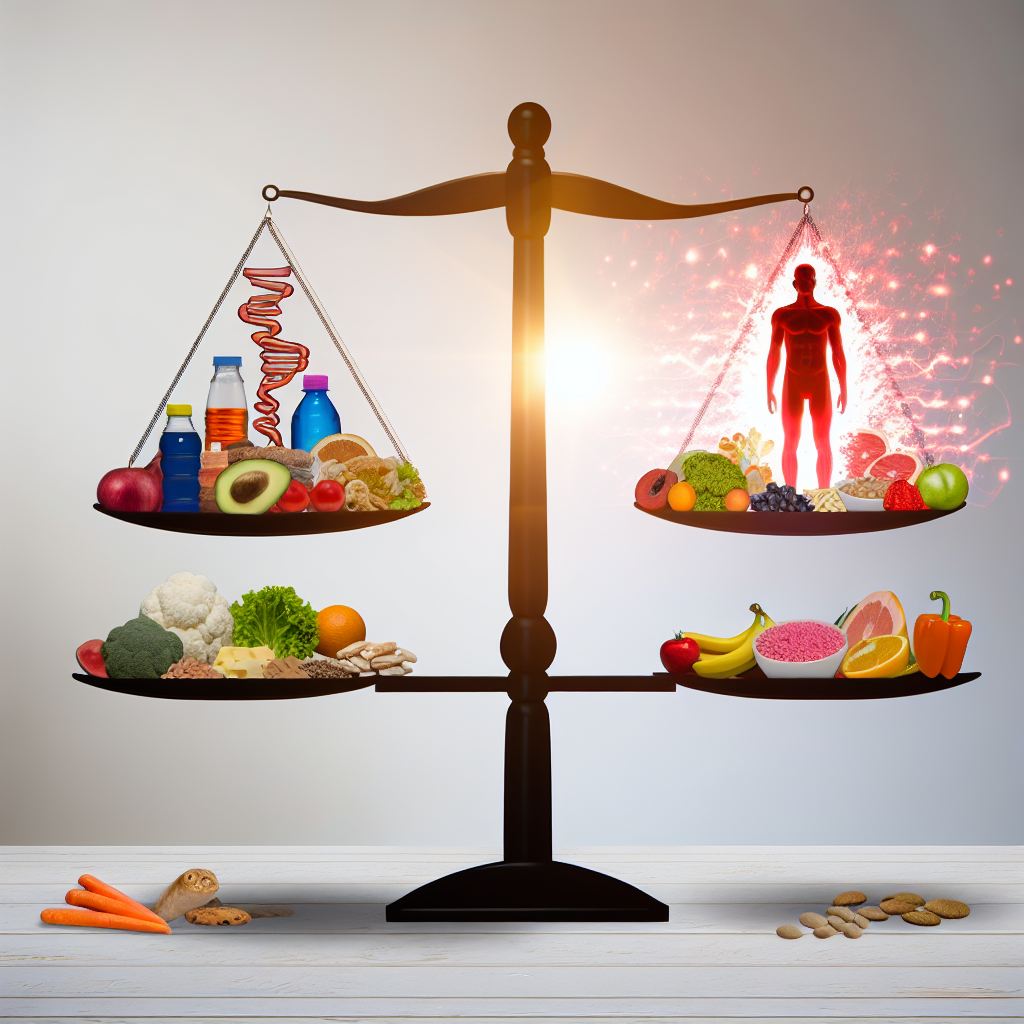
Metabolism is the process by which your body converts food into energy. This intricate process involves a series of chemical reactions that help sustain life by enabling all bodily functions. Understanding the basics of metabolism can offer insight into how our bodies work and how we can support our overall health.
What is Metabolism?
Metabolism encompasses the chemical processes that occur within the body to maintain life. It is generally divided into two categories:
- Catabolism: This is the process of breaking down molecules to obtain energy. During catabolism, larger molecules like carbohydrates, fats, and proteins are broken down into smaller units.
- Anabolism: The opposite of catabolism, anabolism is the process that uses energy to build up larger molecules from smaller ones. This process is essential for growth, repair, and maintenance of tissues.
How Does Metabolism Work?
The metabolism process is primarily focused on energy transformation. When you consume food, your body begins to break it down through digestion. Here’s a simplified overview of how this happens:
- Ingestion: Food is taken into the body.
- Digestion: Food is broken down into smaller components, primarily in the stomach and intestines. Enzymes and digestive acids play significant roles in this process.
- Absorption: The broken-down nutrients are absorbed into the bloodstream through the walls of the intestines.
- Transportation: Nutrients are transported to different cells and tissues in the body, where they can be utilized for energy.
- Energy Production: Inside the cells, nutrients undergo further chemical reactions to produce ATP (adenosine triphosphate), which is the energy currency of the cell.
The Role of Nutrients
Nutrients are essential components of food and play critical roles in metabolism. The main types of nutrients include:
- Carbohydrates: These are the body’s primary source of energy. They are broken down into glucose, which can be used immediately or stored for later use.
- Fats: Fats provide a concentrated source of energy and are essential for the absorption of certain vitamins. They are broken down into fatty acids and glycerol.
- Proteins: While proteins are primarily used for building and repairing tissues, they can also be converted into energy if necessary. They are broken down into amino acids.
Factors Influencing Metabolism
Several factors can influence the rate and efficiency of metabolism:
- Age: Metabolic rates tend to slow down with age.
- Muscle Mass: Higher muscle mass increases metabolic rate, as muscle tissue burns more calories than fat tissue.
- Physical Activity: Engaging in regular exercise can enhance metabolic rate.
- Genetics: Genetic factors can impact how quickly your metabolism functions.
Supporting a Healthy Metabolism
To promote a healthy metabolism, consider adopting the following general wellness practices:
- Eat Balanced Meals: Incorporate a variety of nutrients in your diet to support metabolic processes.
- Stay Hydrated: Water is essential for many biochemical reactions in the body, including those involved in metabolism.
- Exercise Regularly: Engage in both aerobic and strength training exercises to promote muscle mass and cardiovascular health.
- Get Adequate Rest: Sleep plays a crucial role in overall health and can also affect metabolic rate.
In summary, metabolism is a vital function that allows the body to convert food into energy. By understanding its basics and supporting a healthy lifestyle, one can promote not only efficient energy use but also overall well-being.






