Introduction to Artificial Selection
Artificial selection, also known as selective breeding, is a process in which humans intentionally breed organisms to produce desired traits. This practice has significant applications in agriculture, animal husbandry, and horticulture, leading to the domestication of various species over thousands of years. Understanding the mechanisms of artificial selection provides insights into genetics, evolution, and the human influence on biodiversity.
Mechanisms of Artificial Selection
The process of artificial selection relies on several fundamental biological concepts:
- Genetic Variation: For artificial selection to occur, there must be genetic diversity within a population. Variations occur due to mutations, genetic recombination, and environmental factors.
- Selection Pressure: Humans impose selection pressure by choosing specific traits they find desirable. This can involve choosing the most productive crops or animals with favorable characteristics, such as size, temperament, or disease resistance.
- Reproduction: Only those organisms with the selected traits are allowed to reproduce. This selective breeding process results in the propagation of desirable traits in successive generations.
Historical Context
Artificial selection has a long history, with evidence of domesticated plants and animals dating back to ancient civilizations. The early domestication of crops like wheat and rice, along with animals such as dogs and livestock, showcases humanity’s ability to influence species over time.
Charles Darwin’s theory of natural selection contrasts with artificial selection. While natural selection occurs through environmental pressures that favor certain traits, artificial selection is driven by human choice. Darwin studied both processes, emphasizing the role of artificial selection in understanding evolution.
Examples of Artificial Selection
Several well-documented examples illustrate the principles of artificial selection:
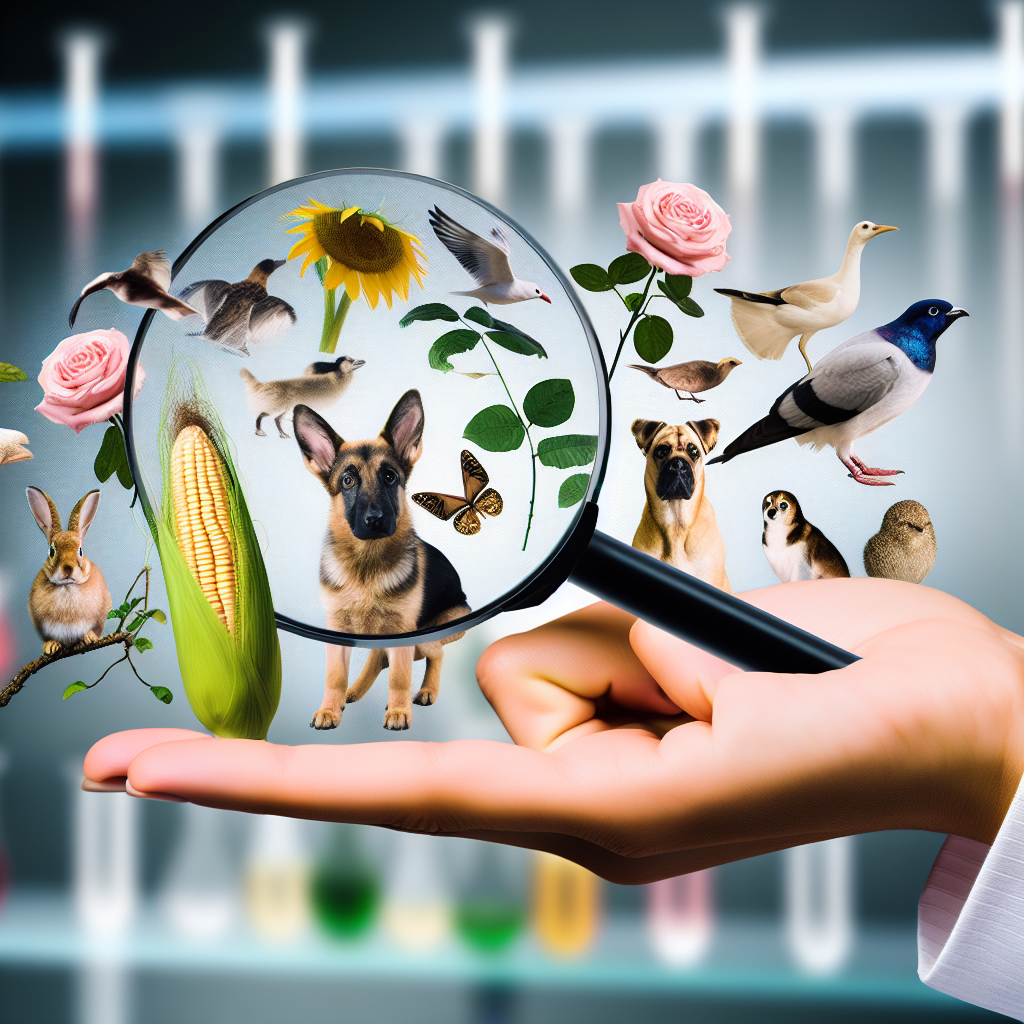
- Crops: Thousands of years of selective breeding have produced various types of maize, wheat, and rice, enhancing yield, flavor, and resistance to pests.
- Animal Breeding: Domesticated animals like dogs showcase diverse breeds, each carefully selected for traits such as size, temperament, and physical characteristics. For example, greyhounds have been bred for speed, while bulldogs have been bred for a characteristic appearance.
- Ornamental Plants: Flowers like roses have undergone extensive breeding to create specific colors, shapes, and scents that are aesthetically pleasing.
Implications of Artificial Selection
While artificial selection has advanced agriculture and pet breeding, it also raises several ecological and ethical considerations:
- Biodiversity Loss: Selective breeding can lead to a reduction in genetic diversity, making populations more susceptible to diseases and changing environmental conditions.
- Animal Welfare: Some forms of artificial selection may compromise the health and well-being of domesticated animals, particularly in cases where extreme traits are emphasized over functionality.
- Food Security: The reliance on a narrow range of genetically modified crops can threaten food security, especially in the face of climate change and pest resistance.
Conclusion
Artificial selection is a powerful tool that has allowed humans to shape the characteristics of various species to meet specific needs. Understanding its mechanisms, historical context, and implications is essential for appreciating the complexities of breeding practices and their impact on biodiversity. As we continue to navigate the challenges of food production and conservation, the principles of artificial selection will remain integral to the conversation about the future of agriculture and the environment.