






















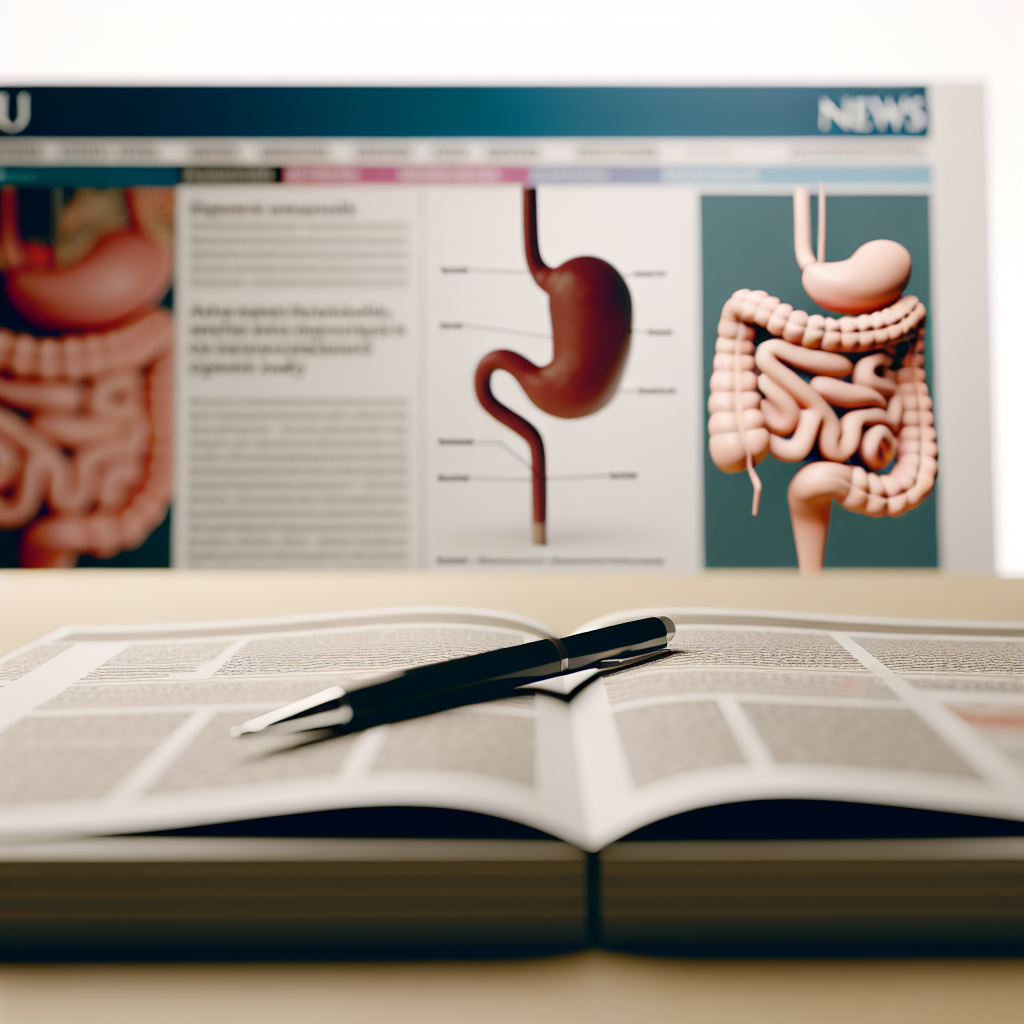
The human digestive system is a complex network of organs working together to break down food, extract nutrients, and eliminate waste. Understanding the anatomy of digestion can help one appreciate how the body processes what we eat and drink. This article explores the key organs involved in digestion and their primary functions.
Mouth
The digestive process begins in the mouth, where food is mechanically broken down by chewing and mixed with saliva. Saliva contains enzymes that begin the breakdown of carbohydrates. The tongue helps in pushing the food towards the throat for further digestion.
Esophagus
After swallowing, food travels down the esophagus, a muscular tube connecting the throat to the stomach. The esophagus uses rhythmic contractions known as peristalsis to move food downward, preventing it from returning to the mouth.
Stomach
The stomach is a muscular organ where food is further digested. It secretes gastric juices that contain strong acids and enzymes, breaking down proteins and killing bacteria. The mixture of food and digestive juices forms a semi-liquid substance called chyme.
Small Intestine
The small intestine is the primary site for digestion and nutrient absorption. It is divided into three sections: the duodenum, jejunum, and ileum. Enzymes from the pancreas and bile from the liver aid in breaking down food further. Nutrients from the digested food are absorbed through the intestinal walls into the bloodstream.
Pancreas
The pancreas plays a crucial role in digestion by producing digestive enzymes that are released into the small intestine. It also produces insulin and glucagon, hormones that help regulate blood sugar levels.
Liver
The liver has multiple functions, one of the most important being the production of bile, which aids in the digestion of fats. The liver also processes nutrients absorbed from the small intestine and filters toxins from the blood.
Gallbladder
The gallbladder stores and concentrates bile produced by the liver until it is needed in the small intestine. When fat is detected in the intestine, the gallbladder releases bile to aid in digestion.
Large Intestine
The large intestine, or colon, is responsible for the absorption of water and electrolytes from indigestible food matter. It also prepares waste for elimination. The process includes fermentation of some substances by gut bacteria, which can produce beneficial short-chain fatty acids.
Rectum and Anus
The rectum is the final section of the large intestine, where waste is stored before elimination. The anus is the opening through which waste is expelled from the body. Together, they play a key role in maintaining the body’s waste disposal system.
Conclusion
The efficient functioning of the digestive system is essential for overall health and wellness. Each organ plays a specific role in the complex process of digestion, ensuring that the body receives the nutrients it needs while effectively removing waste. Understanding these organs and their functions contributes to a better understanding of human biology and the importance of maintaining digestive health.






