






















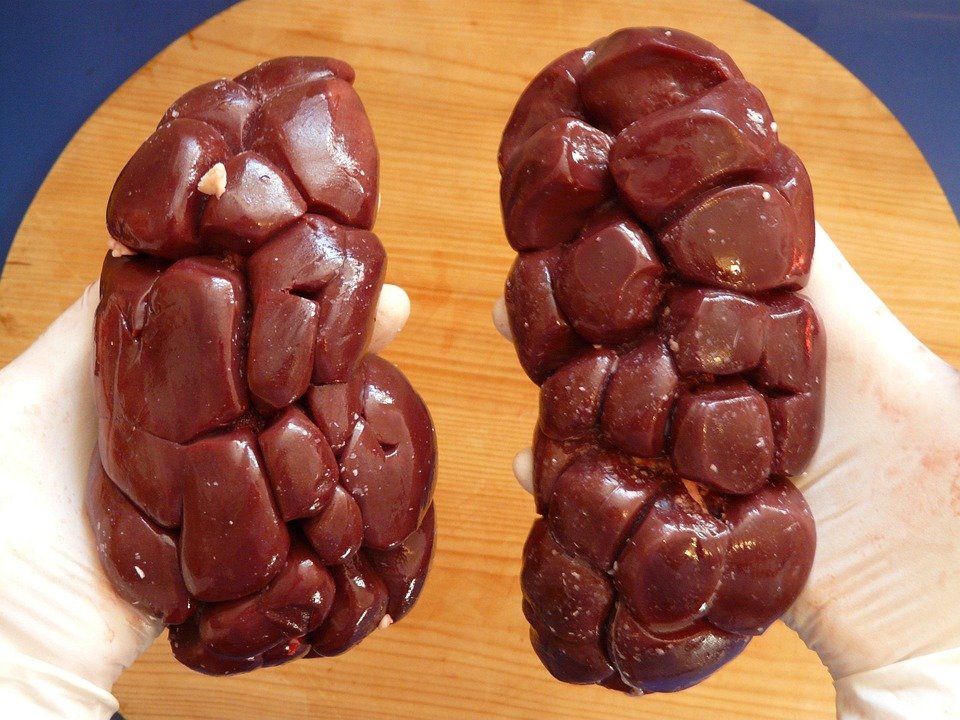
Understanding Kidney Function
The kidneys are vital organs in the human body, playing a crucial role in maintaining overall health. Positioned on either side of the spine, just above the waist, each kidney is responsible for filtration and regulation processes that are essential for bodily function.
How Kidneys Filter Blood
The primary function of the kidneys is to filter waste products and excess substances from the bloodstream. This process occurs in the nephron, the functional unit of the kidney. Each kidney contains approximately one million nephrons that work collaboratively to ensure efficient filtration.
The filtration process can be summarized as follows:
- Blood enters the kidneys: Blood is delivered to the kidneys through the renal arteries.
- Filtration: Inside the nephron, blood is filtered through a structure called the glomerulus. Here, small molecules, such as water, electrolytes, and waste products, pass into the renal tubule while larger molecules, like proteins and blood cells, remain in the bloodstream.
- Reabsorption: As the filtrate moves through the renal tubule, essential substances such as glucose, certain ions, and water are reabsorbed back into the bloodstream.
- Excretion: The remaining waste and excess substances form urine, which is collected in the renal pelvis and eventually expelled from the body through the ureters.
Regulation of Body Functions
In addition to filtration, the kidneys are integral in regulating various important body functions, including:
- Fluid Balance: The kidneys help maintain the right amount of fluid in the body by adjusting urine production based on hydration levels.
- Electrolyte Balance: They regulate the levels of electrolytes such as sodium, potassium, and calcium, which are crucial for muscle function and nerve signaling.
- Acid-Base Balance: The kidneys contribute to maintaining the body’s pH level by excreting hydrogen ions and reabsorbing bicarbonate from urine.
- Blood Pressure Regulation: The kidneys produce a hormone called renin that helps influence blood pressure by managing blood volume and constriction of blood vessels.
Maintaining Kidney Health
Taking care of your kidneys is important for overall health. Here are some general wellness practices to promote kidney function:
- Stay Hydrated: Drink adequate fluids to help the kidneys filter waste efficiently.
- Manage Diet: Consume a balanced diet rich in fruits, vegetables, whole grains, and lean proteins. Limit salt and processed foods to help reduce strain on the kidneys.
- Regular Exercise: Engaging in regular physical activity can promote better overall health and reduce the risk of chronic diseases that affect kidney function.
- Avoid Harmful Substances: Limit the use of over-the-counter medications like nonsteroidal anti-inflammatory drugs (NSAIDs), and avoid smoking and excessive alcohol consumption.
In summary, the kidneys play an essential role in filtering and regulating body functions. Understanding how they work can help individuals appreciate the importance of kidney health and encourage habits that support overall wellness.






