






















Introduction to Screenplay Structure
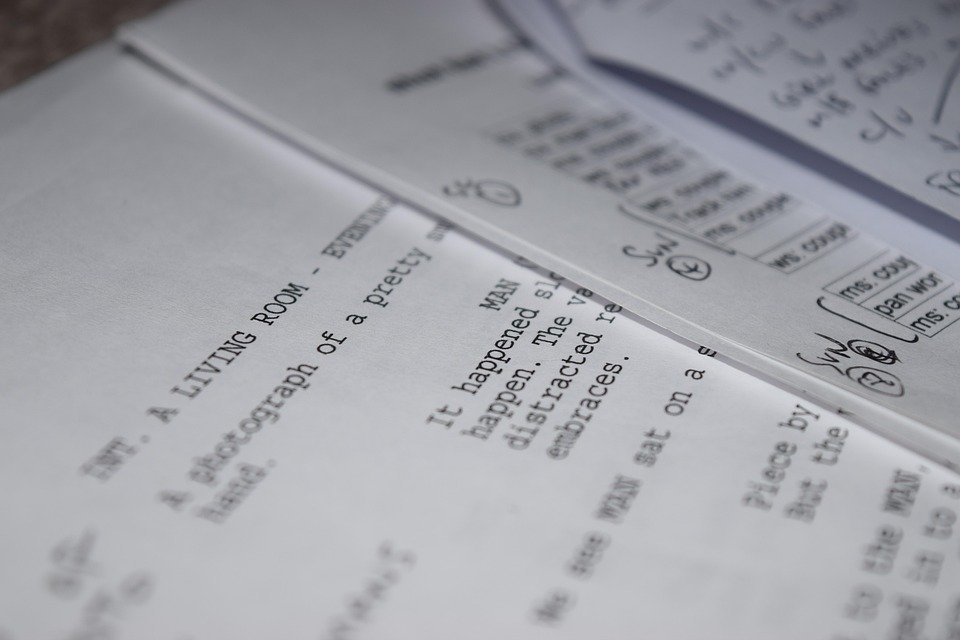
The screenplay serves as the foundation of a film, dictating not just the dialogue, but also the emotional arcs and structural integrity of the story. Screenplays translate ideas into visual storytelling, guiding directors, actors, and the entire crew through the filmmaking process. Understanding screenplay structure is essential for anyone interested in the art of cinema.
Historical Context
The importance of screenplay structure has evolved over decades, heavily influenced by various film movements and pioneering filmmakers. Early cinema, including the silent film era, often relied heavily on visual storytelling techniques. However, as sound was introduced in the late 1920s, narrative complexity deepened, paving the way for structured screenplays.
Classic Three-Act Structure
The three-act structure has been a prevailing method in storytelling, especially in mainstream cinema. This framework divides the narrative into three parts:
- Act One – Setup: Introduces characters, settings, and the initial conflict. This act typically culminates in an inciting incident that propels the story forward.
- Act Two – Confrontation: The main character faces escalating obstacles in pursuit of their goal. This act often features subplots and character development, leading to a climax where conflicts reach a head.
- Act Three – Resolution: Conflicts are resolved, and character arcs are completed. This act brings the story to a satisfying conclusion.
Influence of Key Filmmakers
Many renowned filmmakers have made significant contributions to screenplay structure. Directors like Alfred Hitchcock and Billy Wilder mastered the art of suspense and dialogue, crafting stories that kept audiences on the edge of their seats. Their screenplays often adhered to the classic structure while innovatively bending the rules, captivating audiences worldwide.
Genres and Screenplay Structure
Different genres often adopt unique screenplay conventions. For example:
- Romantic Comedies: Generally follow a light-hearted three-act structure but often include misunderstandings and resolutions that hinge on character relationships.
- Thrillers: Emphasize tension and pacing, often utilizing plot twists that can reorganize the traditional structure.
- Dramas: May explore character-driven narratives that follow an episodic structure rather than a strict three-act format.
Modern Trends in Screenplay Structure
In recent years, screenwriters and filmmakers have sought to innovate traditional structures by experimenting with non-linear narratives and fragmented timelines. Films like “Pulp Fiction,” directed by Quentin Tarantino, have showcased how breaking conventional structure can produce compelling storytelling. Yet, these innovations still pay homage to the fundamental principles laid out by earlier filmmakers.
Conclusion
Understanding screenplay structure is essential for both aspiring filmmakers and engaged audiences. It provides a roadmap for creating compelling narratives that resonate with viewers. While techniques and styles may evolve, the core principles of structure remain a crucial element of cinematic storytelling, ensuring that the backbone of cinema endures. As the industry continues to change, the lessons learned from classical narrative structures will undoubtedly inform and inspire future generations of filmmakers.






