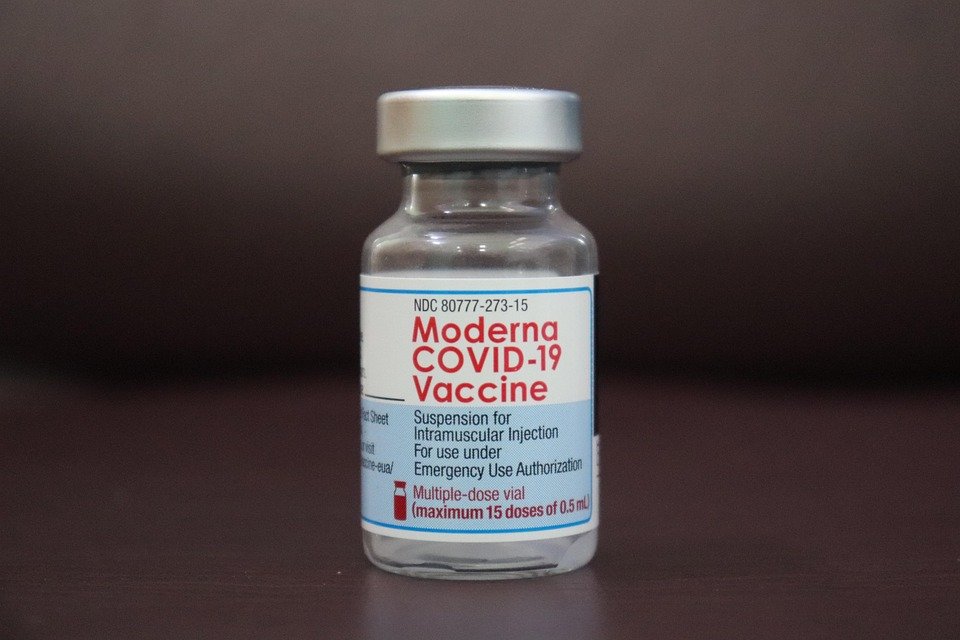
Vaccines have played a crucial role in public health for many years, preventing the spread of infectious diseases and saving countless lives. Understanding how vaccines work can help individuals appreciate their importance in health and wellness.
What Are Vaccines?
Vaccines are biological preparations that provide acquired immunity to specific infectious diseases. They typically contain a harmless part of a germ—such as a protein or carbohydrate—or a weakened or inactive form of the germ itself. When introduced into the body, they stimulate the immune system to recognize and fight off the actual pathogen in the future.
How Vaccines Work
Vaccines prepare the immune system for battle against pathogens. Here’s how they function:
- Activation of the Immune System: When a vaccine is administered, it introduces antigens, which are substances that the immune system identifies as foreign. This triggers an immune response.
- Antibody Production: The immune system produces antibodies, which are proteins that specifically target and neutralize the antigens present in the vaccine.
- Memory Cells Formation: After the immune response is activated, the body creates memory cells. These cells help the immune system remember the specific antigens if the body encounters the actual pathogen in the future.
Types of Vaccines
There are several types of vaccines, each designed to elicit the immune response in different ways:
- Inactivated or Killed Vaccines: These contain viruses or bacteria that have been killed or inactivated so they cannot cause disease. Examples include the polio vaccine and the hepatitis A vaccine.
- Live Attenuated Vaccines: These contain weakened versions of the germ that causes disease. They generally provoke a strong immune response and provide long-lasting immunity. Examples include the measles, mumps, and rubella (MMR) vaccine.
- Subunit, Recombinant, or Conjugate Vaccines: These vaccines include only parts of the germ (like proteins or sugars). They teach the immune system to recognize and respond to the pathogens without using a live or killed form. Examples include the human papillomavirus (HPV) vaccine and the hepatitis B vaccine.
The Benefits of Vaccination
Vaccination offers numerous benefits, including:
- Protection Against Disease: Vaccines protect individuals from serious diseases that can lead to severe illness or death.
- Herd Immunity: When a significant portion of the population is vaccinated, it creates herd immunity, which protects those who cannot be vaccinated, such as individuals with certain health conditions.
- Economic Savings: Vaccination can reduce healthcare costs by preventing illnesses that require medical treatment.
Conclusion
Vaccines are a vital tool in promoting public health and preventing the spread of infectious diseases. By understanding the science behind vaccines and their role in preparing the immune system, individuals can appreciate the benefits they provide to both individuals and communities.