Introduction
The management and utilization of natural resources are critical for sustaining human life and maintaining the health of our planet. Resources can be broadly classified into two categories: renewable and nonrenewable resources. Understanding these categories helps in making informed decisions about their use and conservation.
What are Renewable Resources?
Renewable resources are those that can be replenished naturally over a short period. They are typically derived from natural processes that are sustained over time. The main types of renewable resources include:
- Solar Energy: Harnessed from sunlight, solar energy can be converted to electricity or heat.
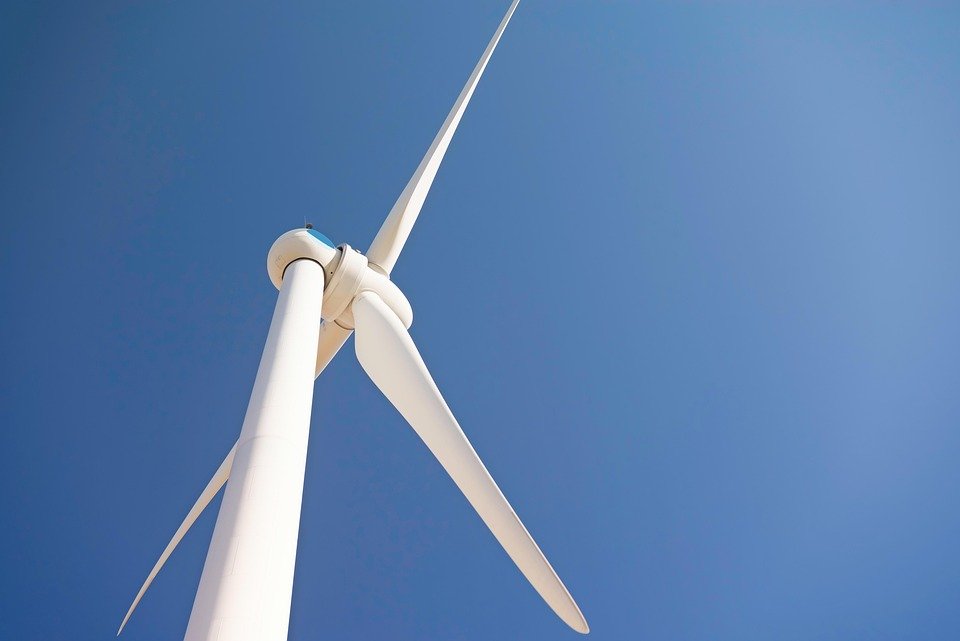
- Wind Energy: Generated by the movement of air, wind energy is converted into electricity using turbines.
- Hydropower: Utilizes the energy of flowing water, typically from rivers or dams, to produce electricity.
- Biomass: Organic material such as plants and animal waste can be used as fuel or converted into biofuels.
- Geothermal Energy: Derived from the Earth’s internal heat, this energy source can be used for heating or electricity generation.
Characteristics of Renewable Resources
Renewable resources have several characteristics:
- They are sustainable over time if managed properly.
- They typically have a lower environmental impact compared to nonrenewable resources.
- Their availability can be influenced by seasonal and environmental factors.
What are Nonrenewable Resources?
Nonrenewable resources are those that do not replenish at a sustainable rate or take millions of years to form. These resources are finite and can be exhausted through overuse. The main types of nonrenewable resources include:
- Fossil Fuels: Coal, oil, and natural gas are derived from ancient organic matter and are the primary sources of energy for many countries.
- Minerals: Resources like gold, copper, and iron are extracted from the Earth and are used in various industries.
- Nuclear Fuel: Uranium and thorium are used in nuclear reactors to generate electricity, but they also take a long time to form.
Characteristics of Nonrenewable Resources
Nonrenewable resources possess distinct characteristics:
- They are limited and can be depleted over time.
- The extraction and use of these resources can have significant environmental impacts, including pollution and habitat destruction.
- Their use is often linked to geopolitical issues, as access to these resources can lead to conflicts.
Comparative Analysis
The key differences between renewable and nonrenewable resources can be summarized as follows:
- Replenishment Rate: Renewable resources can regenerate in a short timeframe, while nonrenewable resources take millions of years to form.
- Environmental Impact: Renewables generally have a smaller ecological footprint, whereas nonrenewables often contribute to environmental degradation.
- Sustainability: With proper management, renewable resources can be utilized indefinitely; nonrenewables are finite and will eventually be depleted.
Conclusion
Understanding the distinction between renewable and nonrenewable resources is crucial for fostering sustainable practices and promoting environmental stewardship. Transitioning from a reliance on nonrenewable resources to renewable alternatives is essential for creating a more sustainable future for generations to come.