Surge in Popularity of Nicotine Pouches Among Young Adults in the UK
Nicotine pouches are becoming increasingly popular across the UK, especially among younger demographics. Recent research indicates that in the past five years, there has been a significant rise in users, with the numbers climbing from 0.1% to 1% of adults.
What Are Nicotine Pouches?
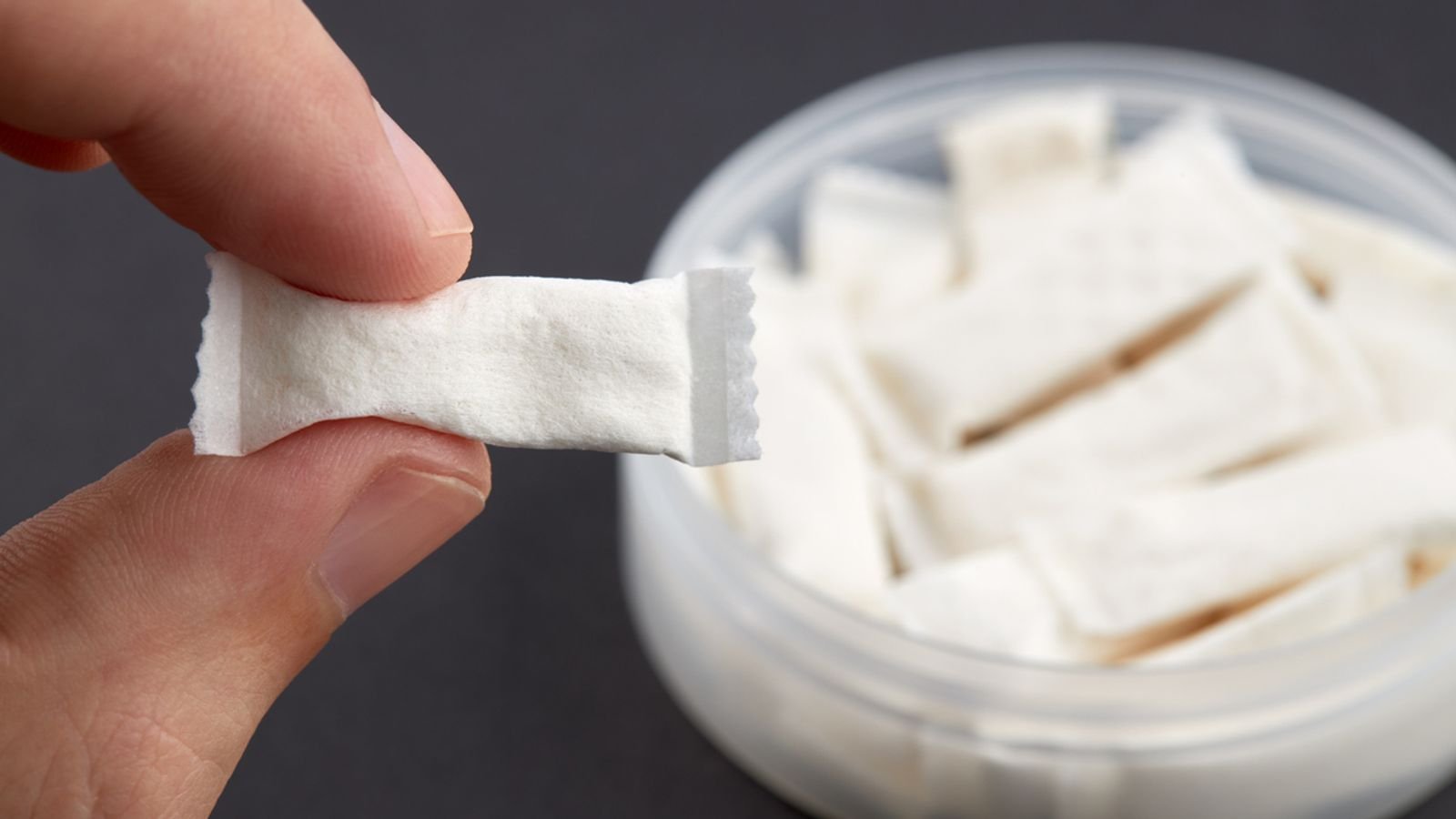
Nicotine pouches are small packets that release nicotine when placed between the lip and gum. They are available in various flavours and often contain sweeteners and plant-based fibres. Unlike traditional tobacco products, these pouches do not involve combustion, leading many to perceive them as a healthier alternative to smoking.
Rising User Statistics
A study conducted by experts from University College London (UCL) found that approximately 522,000 more individuals in the UK have started using nicotine pouches. Of particular note is the dramatic increase among those aged 16 to 24, where usage surged from 0.7% in 2022 to 4% by 2025. This rise is especially pronounced among young men, with 7.5% of those aged 16 to 24 now using the product.
Concerns Over Safety
While the absence of tobacco and combustion reduces certain health risks, experts caution that nicotine pouches are not without their dangers. Dr Harry Tattan-Birch from UCL noted that these pouches pose “substantially less” risk than smoking but can still be harmful, particularly for young users whose brains and lungs are still maturing.
The NHS has stated that nicotine can impact the development of young people’s brains and lungs, increasing the likelihood of dependence. Additionally, the long-term effects of nicotine pouches remain poorly understood.
Who is Using These Products?
In light of research funded by Cancer Research UK, UCL examined responses from nearly 128,000 participants across England, Scotland, and Wales. Their findings revealed that a significant portion of pouch users are young, with the majority being male and many under 25. Alarmingly, the products are not classified under tobacco regulations, thus allowing unrestricted access to minors.
Advertising and Market Influence
The marketing strategies for these pouches have sparked concern, as many advertisements target younger audiences through social media, billboards, and sponsorships at youth-oriented events like music festivals. Dr Tattan-Birch emphasized that the current lack of age restrictions and regulation around advertising exacerbates the risks.
Public Health Implications
Despite their rising popularity, the effectiveness of nicotine pouches in aiding smoking cessation is ambiguous. Among pouch users surveyed, nearly 70% also used other nicotine products, including cigarettes. Interestingly, 16% had never been regular smokers, suggesting that some users might initiate nicotine use through these pouches rather than as a means to quit smoking.
Dr Tattan-Birch warned that the context of their use is crucial. If young individuals who would not normally start smoking turn to pouches, it may pose a public health concern. Conversely, for some smokers, the pouches might offer a less harmful alternative.
Future Legislation
The Tobacco and Vapes Bill, currently under consideration in Parliament, aims to ban the sale of nicotine pouches to individuals under 18 and introduce advertising restrictions. UCL researchers highlight the urgency of this legislation in light of their findings, advocating for regulations on flavours and nicotine strength to safeguard young and vulnerable populations.
Background
The discussions surrounding nicotine pouches come amid broader debates on smoking alternatives and public health policies. As the UK seeks to reduce smoking rates and the associated health risks, the rise of nicotine pouches presents both an opportunity for harm reduction and a new set of challenges.
Source: Original Article