






















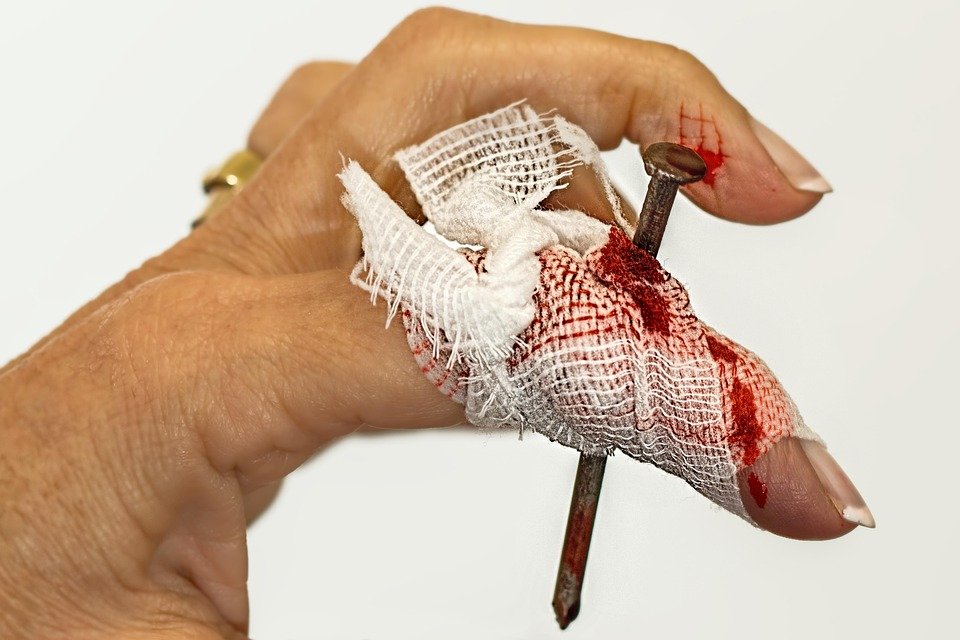
Knowing basic first aid skills can be essential in responding to common injuries that may occur at home. This guide outlines simple steps for managing these situations effectively until professional help is available.
Understanding First Aid
First aid refers to the immediate care given to a person who has suffered an injury or illness. Its main aims are to preserve life, prevent further injury or illness, and promote recovery. Having first aid skills can make a significant difference in emergencies.
Common Injuries and First Aid Responses
1. Cuts and Scrapes
Minor cuts and scrapes are common household injuries. To manage them:
- Wash your hands thoroughly before touching the wound.
- Clean the cut gently with soap and water.
- Apply an antiseptic to prevent infection.
- Cover the wound with a sterile bandage.
2. Burns
Burns can result from hot surfaces, liquids, or chemicals. For minor burns:
- Cool the burn under running cool (not cold) water for 10-20 minutes.
- Do not apply ice directly to the burn.
- Cover the burn with a clean, non-stick bandage.
3. Sprains and Strains
Sprains and strains typically occur during physical activities. Follow these steps:
- Rest the injured area.
- Use ice packs wrapped in a cloth to reduce swelling.
- Compress the injury with an elastic bandage.
- Elevate the area above heart level if possible.
4. Nosebleeds
Nosebleeds can happen for various reasons, including dry air or minor injuries. To manage a nosebleed:
- Have the person sit up straight and lean slightly forward.
- Pinch the nostrils together for 5-10 minutes.
- Apply a cold compress to the back of the neck if needed.
5. Choking
If someone is choking and unable to breathe, follow these steps:
- Encourage the person to cough if they can.
- If not effective, perform the Heimlich maneuver by positioning yourself behind the person.
- Place your arms around their waist, make a fist with one hand, and grasp it with your other hand just above the navel.
- Quickly thrust inward and slightly upward until the object is expelled.
General First Aid Tips
When providing first aid, consider these general tips:
- Stay calm and reassure the injured person.
- Evaluate the situation for safety before approaching.
- Seek professional medical help when necessary.
- Keep a well-stocked first aid kit accessible in your home.
Conclusion
Being prepared with basic first aid skills can help you respond confidently to common injuries at home. Familiarize yourself with these skills and ensure that your family members also understand how to help in emergencies.






