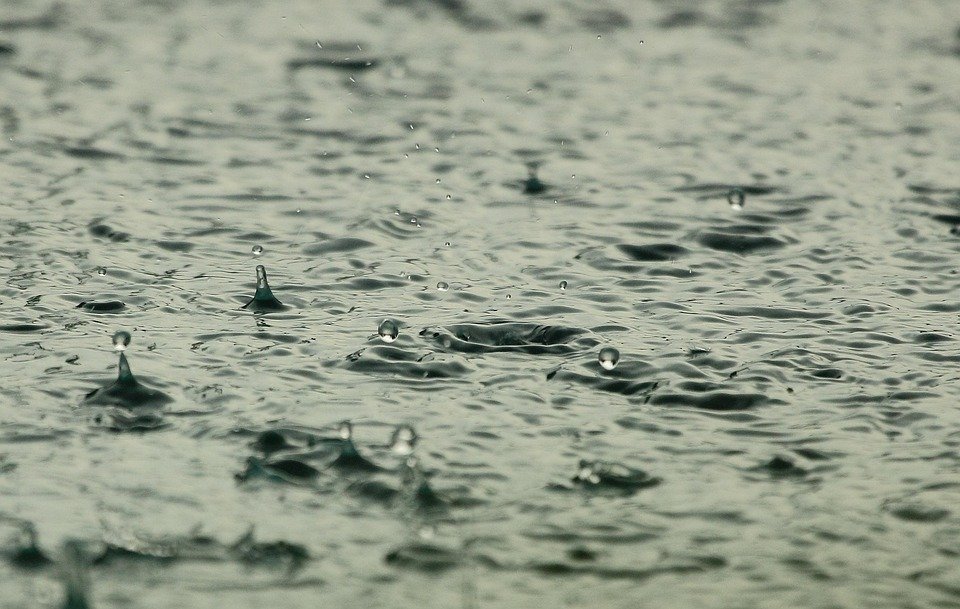
The Impact of Climate Change on Precipitation Trends and Patterns
Climate change is a significant global issue that has far-reaching effects on various environmental factors, including precipitation trends and patterns. The Earth’s climate is influenced by several natural and anthropogenic factors, and alterations in temperature and greenhouse gas concentrations are leading to notable changes in precipitation dynamics.
Understanding Precipitation
Precipitation encompasses all forms of water, whether liquid or solid, that falls from the atmosphere to the Earth’s surface. This includes rain, snow, sleet, and hail. Precipitation is a critical component of the water cycle and plays a vital role in the Earth’s climate system.
Mechanisms of Climate Change Affecting Precipitation
Several mechanisms through which climate change affects precipitation patterns include:
- Increased Evaporation: Higher temperatures lead to increased evaporation rates. As the atmosphere warms, it can hold more moisture. This change can lead to more intense precipitation events, while simultaneously increasing the likelihood of droughts in certain regions.
- Altered Weather Patterns: Climate change impacts atmospheric circulation patterns, which can shift storm tracks and alter the frequency and intensity of weather events. Regions may experience changes such as prolonged dry periods followed by more severe storms.
- Changes in Ocean Temperatures: The warming of ocean waters affects weather patterns globally. Warmer oceans can lead to higher evaporation rates, contributing to increased precipitation in some areas while causing droughts in others.
Regional Variations in Precipitation Patterns
The impact of climate change on precipitation is not uniform and varies significantly across different regions:
- Tropical Regions: Increased rainfall is often observed in tropical regions, which can lead to flooding and soil erosion.
- Mid-Latitude Regions: These areas may experience wetter winters and drier summers due to changes in storm patterns.
- Polar Regions: Warmer temperatures in polar regions can lead to increased snowfall during winter, although summer precipitation may decrease.
- Arid and Semi-Arid Regions: These areas are likely to experience intensified drought conditions, exacerbating water scarcity and impacting agriculture.
Consequences of Changing Precipitation Patterns
The alteration in precipitation trends and patterns has several important implications, including:
- Agricultural Impacts: Changes in precipitation affect crop yields, with increased rainfall potentially leading to flooding and decreased rainfall causing drought stress.
- Water Supply and Quality: Altered precipitation patterns can impact freshwater resources, affecting water supply for drinking and irrigation, as well as the quality of water due to runoff and pollution.
- Ecological Effects: Many ecosystems depend on specific rainfall patterns for survival. Changes can lead to habitat loss, shifts in species distributions, and increased vulnerability to invasive species.
Mitigation and Adaptation Strategies
Addressing the impacts of climate change on precipitation will require concerted efforts in both mitigation and adaptation:
- Improving Water Management: Developing more efficient water management practices can help ensure water availability during periods of reduced precipitation.
- Enhancing Agricultural Resilience: Implementing sustainable agricultural practices can improve crop resilience to changing rainfall patterns.
- Investing in Research: Continued research into climate science can help societies better understand and predict changes in precipitation, informing more effective policies and practices.
Conclusion
The changing patterns of precipitation due to climate change pose significant challenges that require immediate attention and action. Understanding these changes and their implications is crucial for developing effective strategies to mitigate their impacts on ecosystems, agriculture, and water resources.