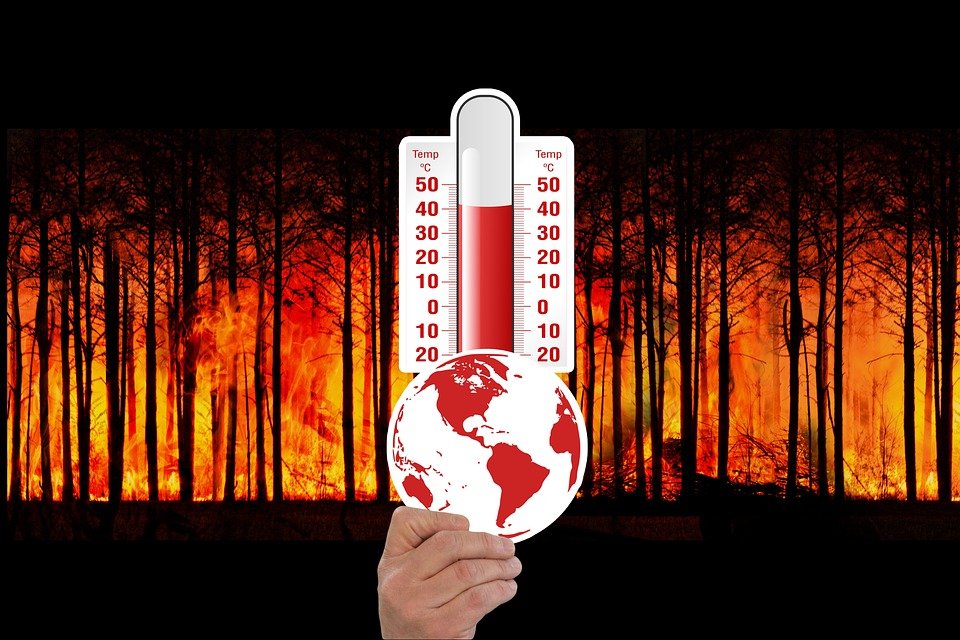
Understanding the Greenhouse Effect
The greenhouse effect is a fundamental natural process that warms the Earth’s surface. When the Sun’s energy reaches the Earth, some of it is reflected back to space and the rest is absorbed, warming the planet. The Earth then emits this energy in the form of infrared radiation.
However, gases in the atmosphere, known as greenhouse gases (GHGs), trap some of this outgoing infrared radiation, preventing it from escaping back into space. This effect maintains the Earth’s temperature at a level conducive to life.
Key Greenhouse Gases
The primary greenhouse gases include:
- Carbon Dioxide (CO₂): Released from burning fossil fuels, deforestation, and various industrial processes.
- Methane (CH₄): Emitted during the production and transport of coal, oil, and natural gas, and from livestock and other agricultural practices.
- Nitrous Oxide (N₂O): Released from agricultural and industrial activities, as well as from burning fossil fuels.
- Water Vapor: The most abundant greenhouse gas, which is naturally occurring and plays a critical role in the Earth’s climate system.
- Ozone (O₃): A greenhouse gas found in the Earth’s stratosphere that absorbs solar ultraviolet radiation but can act as a pollutant at ground level.
Human Contributions to Global Warming
Human activities have significantly increased the concentrations of greenhouse gases in the atmosphere, thereby enhancing the greenhouse effect. Key activities contributing to this phenomenon include:
- Fossil Fuel Combustion: The burning of coal, oil, and natural gas for energy and transportation releases significant amounts of CO₂.
- Deforestation: Trees absorb CO₂; when forests are cut down or burned for agriculture or urban development, this carbon storage capacity is lost.
- Agriculture: Farming practices, including rice cultivation and livestock production, release methane and nitrous oxide into the atmosphere.
- Industrial Processes: Manufacturing processes can release various greenhouse gases, including CO₂ and fluorinated gases, contributing to global warming.
The Consequences of Global Warming
Increased levels of greenhouse gases lead to a rise in global temperatures, resulting in a range of significant environmental issues, including:
- Melting Ice Caps: Higher global temperatures are causing polar ice to melt, contributing to rising sea levels.
- Extreme Weather Events: Increased temperatures influence weather patterns, leading to more frequent and severe storms, droughts, and heatwaves.
- Ocean Acidification: CO₂ absorbed by oceans results in chemical reactions that lower the pH of seawater, affecting marine ecosystems.
- Disruption of Ecosystems: Changes in climate can lead to habitat loss and affect biodiversity, threatening many species with extinction.
Conclusion
The greenhouse effect is a natural process that is vital for supporting life on Earth. However, human activities have intensified this effect, resulting in global warming and subsequent climate change. It is essential to recognize the impact of our behaviors and implement strategies to mitigate these effects to ensure a sustainable future for our planet.