Introduction
Earthquakes are natural phenomena characterized by the sudden release of energy in the Earth’s lithosphere, producing seismic waves. This release of energy most commonly occurs due to the movement of tectonic plates, the large sections of the Earth’s crust that move and interact at their boundaries. Understanding the science behind earthquakes involves delving into the principles of plate tectonics, stress accumulation, and the various types of seismic waves generated during these events.
Tectonic Plates and Their Movements
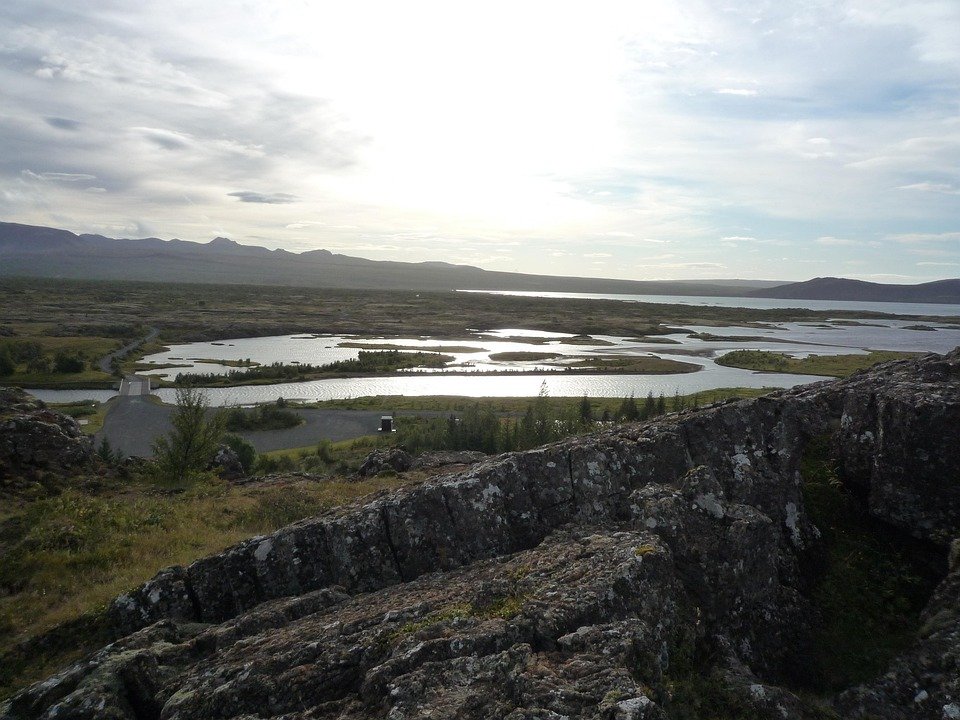
The Earth’s lithosphere is divided into several large and small tectonic plates that float on the semi-fluid asthenosphere beneath them. The interactions between these plates are categorized into three main types:
- Convergent Boundaries: Where plates move towards each other, leading to subduction (one plate sliding beneath another) or mountain building.
- Divergent Boundaries: Where plates move apart, allowing magma to rise from the mantle and create new crust.
- Transform Boundaries: Where plates slide past one another, causing friction that can result in earthquakes.
Stress Accumulation and Release
As tectonic plates interact, they create stress along fault lines, which are fractures in the Earth’s crust. This stress can build up over time until it exceeds the strength of the rocks, resulting in an earthquake. The process can be understood in the following stages:
- Elastic Deformation: Initially, rocks bend and store energy.
- Plastic Deformation: If stress continues, rocks may permanently deform.
- Fracture: When the stress exceeds the rock’s capacity, it breaks, releasing energy in the form of seismic waves.
Types of Seismic Waves
When an earthquake occurs, it generates seismic waves that travel through the Earth. These waves are primarily classified into two categories:
- P-waves (Primary Waves): These are compressional waves that move fast through both solids and liquids. They are the first waves detected by seismographs.
- S-waves (Secondary Waves): These waves move slower than P-waves and can only travel through solids. They cause more destructive shaking.
Measuring Earthquakes
The intensity and magnitude of earthquakes are measured using instruments called seismographs. The most widely adopted scale for measuring earthquake magnitude is the Richter scale, developed by Charles F. Richter in 1935, which quantifies the energy released. Another scale commonly used is the Moment Magnitude Scale (Mw), which provides a more accurate measurement for larger earthquakes.
Historical Examples
Throughout history, significant earthquakes have had profound impacts on human societies. Some notable examples include:
- The 1906 San Francisco Earthquake: A magnitude 7.9 earthquake that caused widespread destruction and led to the development of modern seismology.
- The 2011 Tōhoku Earthquake: A magnitude 9.0 earthquake off the coast of Japan, which triggered a devastating tsunami and significant nuclear incident.
Conclusion
Understanding the science behind earthquakes is crucial for improving safety measures, enhancing building codes, and preparing communities for potential seismic events. Continued research in seismology and tectonics provides valuable insights into the dynamics of our planet and the inherent risks associated with living in seismically active regions.