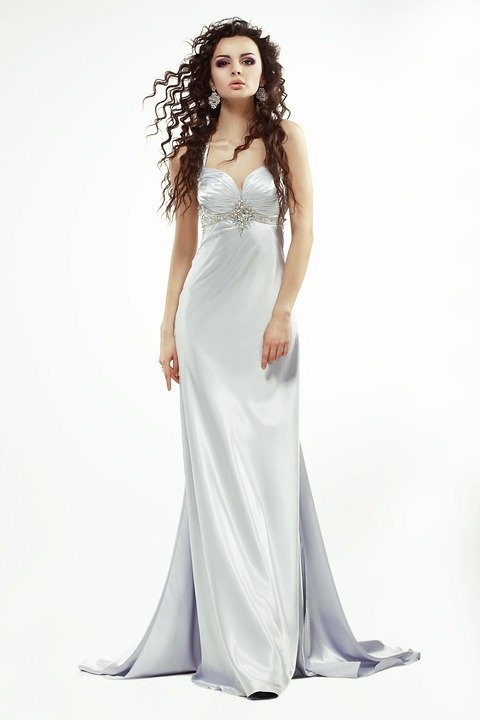
A Journey Through Time: The Evolution of Evening Wear from the 1920s to Today
Evening wear has long been a canvas for the artistic expression of designers and a reflection of societal values. The journey of evening wear from the 1920s to the present day illustrates not only the changes in fashion but also the cultural shifts that have influenced our choices in formal attire. This article explores the evolution of evening wear, highlighting key decades, styles, and influencers along the way.
The 1920s: The Birth of Modern Elegance
The 1920s marked a significant shift in fashion, especially for women’s evening wear. The flapper dress epitomized this era, featuring dropped waistlines, loose silhouettes, and intricate embellishments. Materials like satin and silk were popular, providing a luxurious feel appropriate for evening events.
- Design Appeal: The emphasis was on comfort and movement, allowing women to dance freely during social gatherings.
- Prominent Features: Decorative elements such as beads and fringe were common, enhancing the outfit’s visual appeal.
The 1930s: Glamour and Sophistication
The 1930s further refined evening wear, steering it towards a more glamorous and sophisticated aesthetic. Inspired by Hollywood, silhouettes became more structured, featuring hourglass shapes that accentuated the waist.
- Textiles: Luxurious fabrics like velvet and silk crepe took center stage, enhancing the glamour.
- Influential Designers: Designers such as Madeleine Vionnet and Elsa Schiaparelli transformed evening wear with innovative draping and bold colors.
The 1940s: War and Minimalism
The impact of World War II was apparent in the fashion of the 1940s, as fabric rationing led to more utilitarian designs. Evening wear adopted simpler lines, focusing on practicality without sacrificing elegance.
- Style Changes: The New Look, introduced by Christian Dior in the late 1940s, redefined femininity with the use of full skirts and reinforced busts.
- Materials: Designers began to incorporate more durable fabrics, making evening wear accessible yet chic.
The 1950s to 1960s: Opulence and Individuality
The 1950s celebrated opulence with fuller skirts and lavish decorations. The evening dress became a symbol of status and style. Designers dueling in creativity, notably Dior, emphasized lavish fabrics, floral patterns, and intricate embroidery.
- Shift in Silhouettes: The 1960s saw a move towards more sculpted, structured styles with bold prints and graphic patterns.
- Cultural Influences: The counterculture movements began influencing evening attire, leading to more eclectic mixes of styles.
The 1970s to 1980s: Glam Rock and Excess
The ’70s were characterized by the introduction of disco-inspired evening wear, with glitzy fabrics and daring cuts. As the decade progressed into the ’80s, designers like Vivienne Westwood challenged norms with punk-inspired evening wear.
- Key Elements: Sequins, metallic fabrics, and bold colors became staples in evening attire.
- Fashion Icons: The emergence of supermodels and celebrity influence impacted the acceptance of diverse styles in evening wear.
The 1990s: Minimalism to Maximalism
The 1990s offered a juxtaposition between minimalism and maximalism. Evening wear could range from sleek, simple lines—promoted by designers like Calvin Klein—to extravagant outfits characterized by brands like Versace.
- Era of Versatility: This decade allowed for hybrid styles, combining traditional elements with contemporary twists.
- Impact of Media: The influence of television and film brought evening wear into mainstream consciousness, making high fashion more accessible.
The 2000s to Today: Rediscovery and Sustainability
In the 2000s, evening wear continuously evolved, focusing on individual expression. The rise of social media catalyzed new approaches to fashion, allowing for instant sharing and broader influences.
- Key Trends: Sustainable fashion has emerged as a significant movement, with designers emphasizing eco-friendly materials and ethical production methods.
- Iconic Designs: Current evening wear often pays homage to past styles while integrating modern technology and innovation in fabric and design.
Conclusion
The evolution of evening wear from the 1920s to today provides a fascinating glimpse into the interplay of fashion, culture, and society. Each decade marks a new chapter, characterized by distinctive styles, fabrics, and influential designers that reflect the values and aspirations of their time. As we look forward, it is essential to appreciate the rich history behind evening attire and how it continues to shape our understanding of elegance and formality.
This HTML structured content captures the essence of evening wear evolution, providing a solid educational foundation without referencing any current events, while adhering to requests for historical accuracy and established fashion principles.