






















Introduction to Camera Technologies
The evolution of camera technologies has profoundly shaped the art of filmmaking, transforming how stories are told and experienced on screen. From the earliest motion pictures to modern digital cinematography, the advancement of camera technologies reflects both artistic innovation and technical ingenuity. This article explores significant milestones in camera technology and their implications for cinematic expression.
Early Innovations: The Birth of Motion Pictures
The journey of cinema begins in the late 19th century with the invention of the motion picture camera. Early pioneers like Thomas Edison and the Lumière brothers played crucial roles in developing devices capable of capturing movement. The Kinetoscope, created by Edison in 1891, allowed individuals to view films through a peephole, laying the groundwork for future cinematic experiences.
Silent Era: The Advent of the Feature Film
The silent film era saw significant developments in camera technology that enhanced storytelling. Cameras became more portable, allowing filmmakers like D.W. Griffith to experiment with techniques like close-ups and cross-cutting. The introduction of the 35mm film standard established a benchmark for capturing high-quality images that remains influential today.
The Introduction of Sound: A Technological Leap
The late 1920s marked a significant transition in filmmaking with the advent of synchronized sound. The 1927 release of “The Jazz Singer” heralded the beginning of “talkies,” requiring cameras that could be adapted to accommodate sound recording. Innovations such as the “blimped” camera reduced noise, allowing filmmakers to capture audio without sacrificing visual quality.
Color and Cinematography: Adding Dimension
The introduction of color film in the 1930s, epitomized by films like “The Wizard of Oz” (1939), brought new vibrancy to cinema. With the arrival of Technicolor, filmmakers began to explore the emotional and narrative potential of color. Directors such as Alfred Hitchcock and Vincente Minnelli utilized these advancements to enhance their storytelling and evoke specific reactions from audiences.
Advances in Film Techniques: The Rise of Creative Filmmaking
As technology progressed, filmmakers became more adept at utilizing camera equipment creatively. The 1960s and 1970s saw movements like New Hollywood, where directors such as Francis Ford Coppola and Martin Scorsese pushed boundaries. Innovations like the Steadicam, introduced by Garrett Brown in 1976, allowed for smooth, fluid shots that enhanced the visual storytelling without relying on cuts.
The Digital Revolution: Transforming Cinema
The turn of the 21st century marked another radical transformation with the advent of digital cinematography. Cameras like the RED ONE and the Canon 5D Mark II democratized filmmaking, making high-quality production accessible to independent filmmakers. This shift allowed for unprecedented experimentation and innovation, fostering the emergence of new narrative forms and genres.
Convergence of Technology and Art
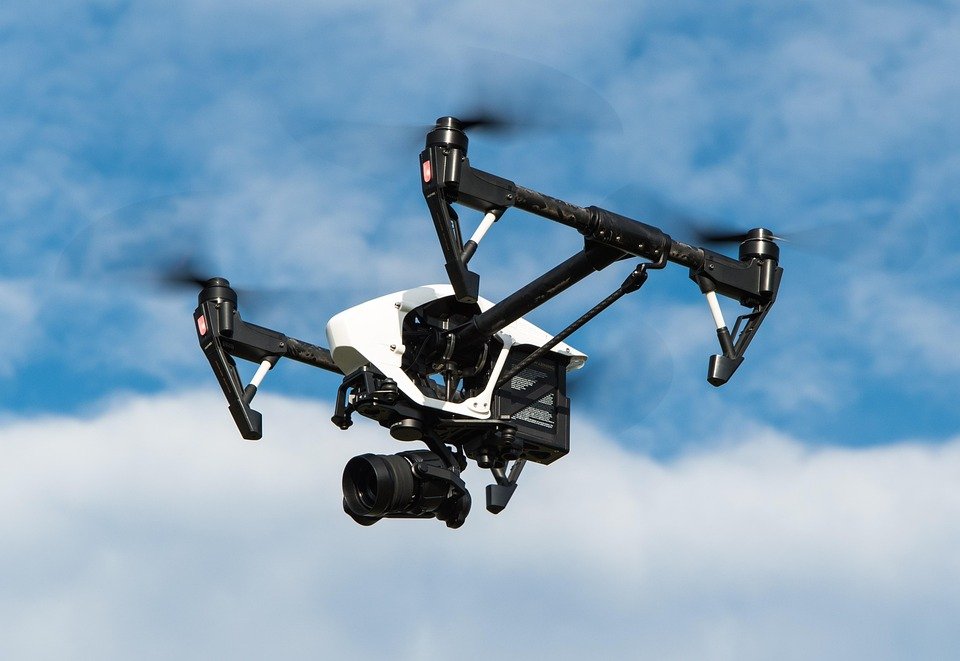
The current landscape of filmmaking is defined by the interplay of technology and artistic vision. Modern directors and cinematographers utilize advancements like CGI, drones, and virtual reality to construct immersive worlds. While camera technologies continue to evolve, the core essence of storytelling remains unchanged: to capture the human experience on film.
Conclusion
The development of camera technologies in filmmaking is a testament to the enduring relationship between innovation and narrative. Each advancement, from early motion picture cameras to the latest digital systems, has expanded the possibilities of cinematic storytelling. As filmmakers continue to explore and experiment with these tools, the future of cinema will undoubtedly reflect their creativity and vision.






