























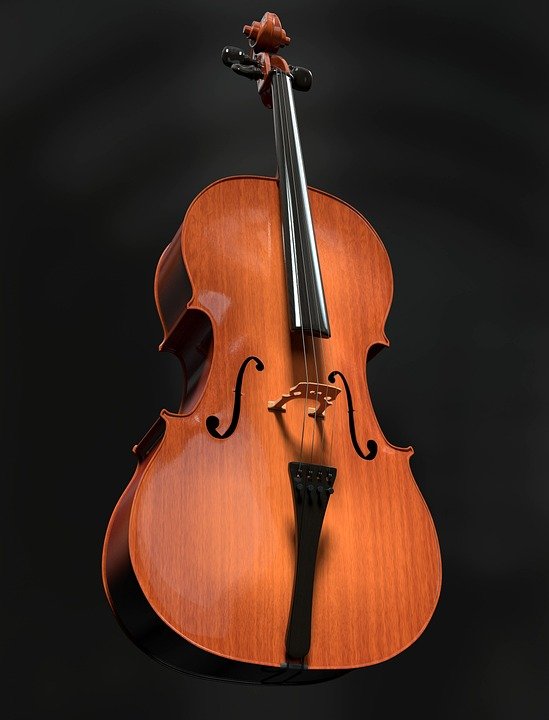
The Symphony of Film and Narrative
Film has long been regarded as a powerful medium for storytelling, but its true emotional depth is often amplified through the art of film scoring. The collaboration between classical music and cinematic narratives enriches the viewing experience, drawing audiences into the emotional heart of a movie. This marriage of art forms not only enhances scenes but also serves as a narrative device in its own right.
The Early Days: Silent Cinema
In the early 20th century, silent films relied heavily on live orchestras playing classical music to heighten emotions and convey narratives. Composers like Scott Joplin crafted ragtime scores that underscored the frenetic energy of films, while others, inspired by the works of Beethoven and Wagner, created scores that built suspense and emotional resonance.
The Golden Age of Hollywood
The advent of sound in film transformed the industry. During Hollywood’s Golden Age in the 1930s and 40s, composers such as Max Steiner and Erich Wolfgang Korngold emerged as pioneers in film scoring. Their work established a framework for integrating music into storytelling, often mirroring and enhancing character arcs. Key contributions include:
- Max Steiner – Notable for his music in “Gone with the Wind” (1939) and “Casablanca” (1942), he utilized motifs to create identifiable themes for characters.
- Erich Wolfgang Korngold – His score for “The Adventures of Robin Hood” (1938) blended romantic orchestration with adventure elements, influencing the swashbuckler genre.
Innovations in Composition: Film Noir and Beyond
As cinema evolved, so did the styles of film scoring. The film noir movement in the 1940s introduced darker themes and complex characters. Composers like Miklós Rózsa utilized dissonant chords and unusual instrumentation to evoke suspense. Films such as “Double Indemnity” (1944) highlighted how music could underscore psychological tension.
Expanding the Soundscape: The Modern Era
In the late 20th century, film composers began to experiment with new technologies and styles, drawing from diverse musical genres. John Williams, perhaps one of the most recognizable figures in film scoring, showcased this with his lush orchestral themes in blockbusters like “Star Wars” (1977) and “Jurassic Park” (1993). His ability to use leitmotifs to integrate music with narrative has become a hallmark of modern film scoring.
Global Influences and Diverse Voices
The globalization of film has introduced a wider array of musical influences into film scoring. Composers like Tan Dun, known for his work on “Crouching Tiger, Hidden Dragon” (2000), incorporate traditional Chinese instruments and motifs, while composers like Alexandre Desplat use minimalist approaches to create atmospheric soundscapes in films like “The Grand Budapest Hotel” (2014).
Conclusion: The Ongoing Dialogue
As film continues to evolve, so does the relationship between classical music and narrative. Contemporary composers are revisiting traditional techniques while also embracing new technologies to communicate the emotion of a story. The partnership of music and cinema remains an ever-important dialogue, one that continues to develop and inspire both filmmakers and audiences alike.






