Airbus Issues Major Recall Affecting Over 6,000 A320 Aircraft
Airbus has initiated a significant recall impacting approximately 6,000 A320 aircraft, which accounts for more than half of the global fleet of this model. This recall is considered one of the largest in the company’s history and follows the recent milestone where the A320 overtook the Boeing 737 as the most-produced aircraft worldwide.
Reason for Recall
The decision to recall stems from a recent incident involving an A320-family aircraft, where it was found that intense solar radiation could potentially compromise critical flight control data. As a result, operators have been alerted to perform immediate repairs to ensure safety and operational integrity.
Scope of the Impact
Airbus has notified over 350 operators, with an estimated 3,000 A320 aircraft currently in flight at the time of the announcement. Reports indicate that around two-thirds of the affected aircraft may only experience brief groundings, as airlines revert to a previous software version. However, a number of jets may require hardware replacements, resulting in potentially extended delays.
Responses from Airlines
Different airlines are responding to the recall in various ways:
- British Airways: Three of its A320 aircraft will undergo the necessary updates overnight, with no disruption anticipated to its operations.
- American Airlines: The largest operator of A320s, it stated that approximately 340 of its 480 aircraft require updates, which are expected to be completed by Saturday.
- Delta Air Lines: Plans to comply without significant operational impact on its fleet.
- Lufthansa: The German airline has acknowledged the potential for minor flight cancellations and delays as it implements the prescribed measures.
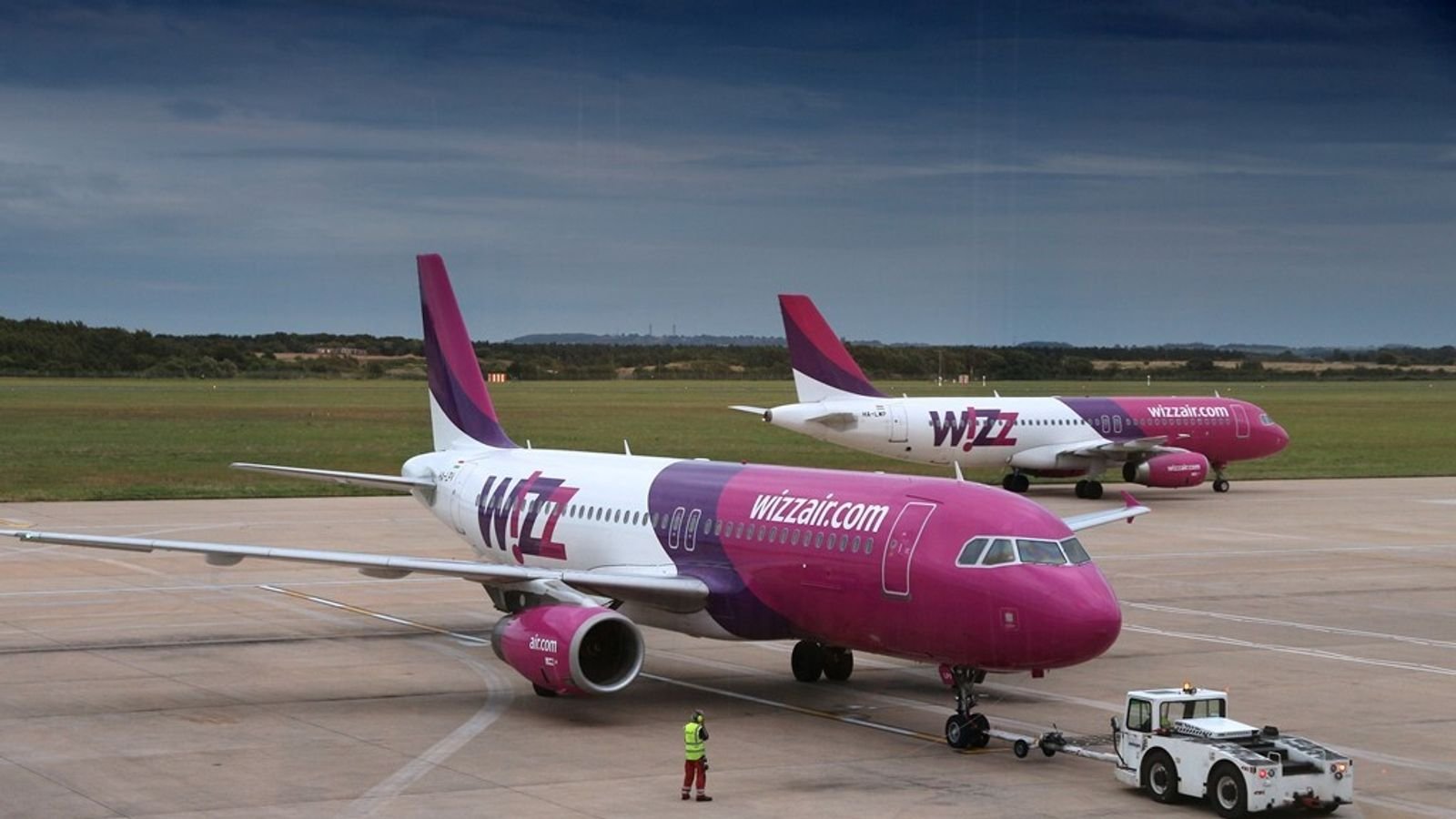
- Wizz Air: Some of its aircraft are involved in the recall, with scheduled maintenance underway that may affect weekend flights.
- EasyJet: Has already completed many software updates across its fleet and aims to maintain normal flight operations.
- Aer Lingus: Managing a limited number of affected aircraft and taking prompt action to resolve the issue.
- Turkish Airlines: Plans to safely return eight affected A320 aircraft to service, assuring uninterrupted operations.
- Avianca: The Colombian airline faces significant operational disruptions as over 70% of its fleet is impacted, leading to the suspension of ticket sales until 8 December.
- Air India: Alerted to the issue, it predicts delays due to necessary updates.
- IndiGo: Is proactively addressing the required updates, with some schedules subject to minor alterations.
- Air New Zealand: Warned of potential flight disruptions and cancellations as it grapples with the global software issue.
- Flynas: Will carry out necessary updates, which may lead to schedule delays.
- United Airlines: Confirmed no adverse effects from the Airbus announcement.
- Azul Airlines: Stated that none of its A320 aircraft are affected.
Background
This recall marks a pivotal moment in the aviation industry, highlighting the vulnerabilities associated with modern aircraft technologies, particularly in relation to external environmental factors such as solar radiation. With the A320 series frequently serving as a backbone for many carriers worldwide, the implications of this recall will be closely monitored by operators and regulators alike.
As Airbus navigates this challenging situation, stakeholders across the industry remain vigilant regarding potential impacts on air travel and operational efficiency in the coming weeks.
Source: Original Article