






















Software Glitch Prompts Airbus A320 Fleet Repairs
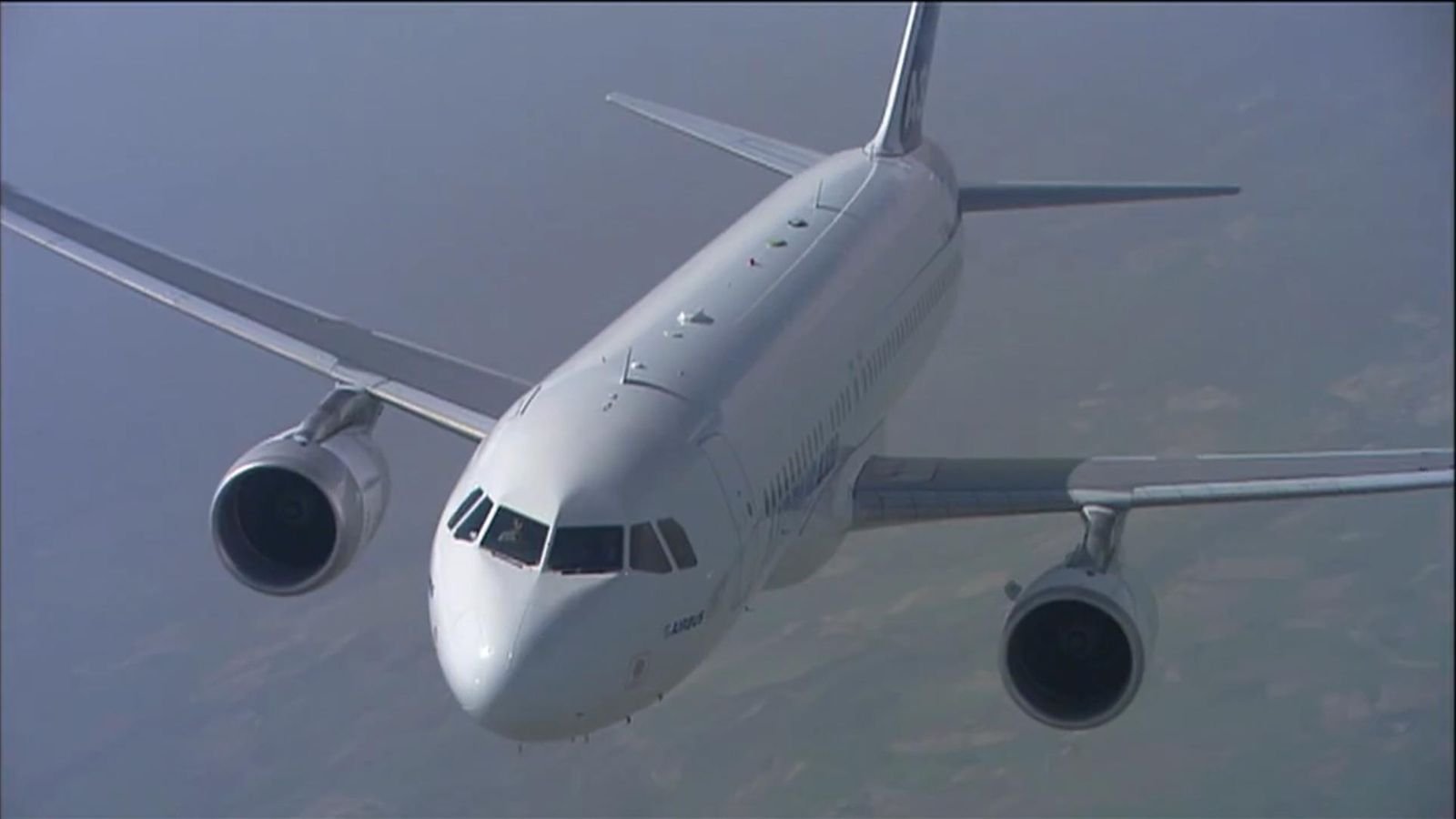
Airbus has announced a massive repair initiative affecting around 6,000 aircraft from its A320 series due to a significant software malfunction. This issue, which impacts nearly half of the global A320 fleet, is expected to cause travel disruptions for passengers, with airlines like easyJet and Wizz Air temporarily grounding affected planes for necessary updates.
Nature of the Software Issue
The software repair order was triggered by an incident involving a JetBlue flight on October 30, which reported a control malfunction and an unexpected altitude drop. The flight, travelling from Cancun to Newark, required an emergency landing in Tampa, Florida, after 15 passengers sustained injuries due to the sudden descent.
Following an investigation, Airbus indicated that “intense solar radiation” could possibly affect critical flight control data. This phenomenon, known as a bit flip, occurs when cosmic radiation disrupts electronic memory, altering vital information within aircraft systems. This risk is also present in spacecraft operations.
Response from Authorities and Airlines
The UK’s Civil Aviation Authority (CAA) has warned of likely disruptions to various airlines and flight schedules. EasyJet and Wizz Air have already confirmed that some of their A320 aircraft will be taken out of service for immediate repairs.
Simon Calder, a travel expert, expressed his concerns regarding the situation while emphasising that the probability of such events occurring is quite low. He noted that the aviation industry prioritises safety, taking swift action whenever a potential threat is identified.
Repair Process and Implications
The required fix involves reverting the aircraft software to a previous version, a process expected to take approximately two to three hours for most jets. However, some aircraft may require hardware replacements, extending the time needed for comprehensive repairs.
According to Airbus, the issue predominantly traces back to the Elevators and Ailerons Computer (ELAC), a critical component responsible for relaying commands from the pilot’s control inputs to the aircraft’s elevators, which manage the plane’s ascent and descent.
Context and Background
Launched in 1984, the A320 series is a key contender against Boeing’s 737 MAX, which faced a temporary suspension in service from March 2019 until late 2020, following crashes attributed to faulty flight-control software. The current software update situation underscores the ongoing vigilance required in aviation safety.
Source: Original Article






