






















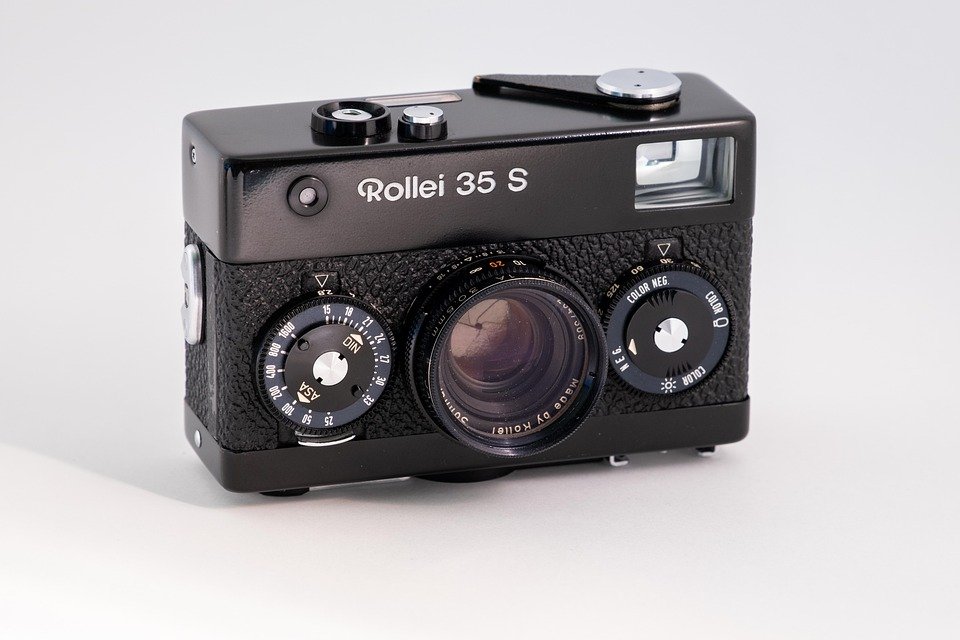
The Origins of 16mm Film Cameras
The 16mm film format emerged in the 1920s, primarily as a response to the need for a more affordable and versatile filmmaking option. Originally developed by Eastman Kodak in 1923, this format was intended for home movies and amateur filmmakers. Its relatively low cost and ease of use allowed a broader audience to engage with filmmaking, marking a significant shift in the accessibility of the medium.
The Growth of 16mm in Documentaries and Education
Throughout the 1930s and 1940s, 16mm film gained traction in educational and documentary filmmaking. Its portable nature made it an ideal choice for documentary filmmakers who wanted to capture real-life events without the cumbersome equipment required for larger formats. Notable figures like Pare Lorentz utilized 16mm for impactful documentaries that highlighted social issues, paving the way for future documentary styles.
Industrial Uses and Military Adoption
During World War II, 16mm cameras became vital for military training and reconnaissance. The format provided a lightweight solution for capturing important footage in the field. After the war, the market expanded as 16mm became a popular choice for industrial films and corporate training videos, further solidifying its place in the film industry.
The Rise of Independent Cinema
In the 1960s and 1970s, the independent film movement found a passionate ally in 16mm film. Filmmakers such as John Cassavetes and Andy Warhol embraced the format for its affordability and flexibility, allowing for a more personalized style of storytelling. This period marked a significant shift in narrative cinema, as artists began to explore unconventional themes and represent voices previously marginalized in mainstream media.
Technological Advancements and Creative Possibilities
The evolution of technology throughout the late 20th century saw significant improvements in 16mm cameras and film stock. Innovations such as faster film stock enabled filmmakers to shoot in lower light conditions, which broadened creative possibilities. The introduction of various camera models, such as the Bolex H16 and the Arriflex 16SR, became pivotal in shaping the aesthetics of independent and experimental cinema.
16mm in Art and Experimental Film
As the landscape of visual art expanded, 16mm film became a favored medium for experimental filmmakers and artists in the 1980s and 1990s. Filmmakers like Stan Brakhage utilized 16mm for abstract narratives and visual poetry, thereby redefining cinematic boundaries. This artistic exploration marked a significant departure from traditional storytelling, demonstrating the format’s versatility beyond conventional cinema.
Preservation and Revival
Despite the advent of digital technology in the 21st century, 16mm film has experienced a revival among filmmakers eager to utilize its unique aesthetic quality. The nostalgic charm and tactile feel of film continue to attract artists seeking authenticity in their work. Educational institutions and film schools often incorporate 16mm into their curriculum, ensuring that future generations of filmmakers understand its rich history and application.
Conclusion
The journey of 16mm film cameras is not merely about technical specifications or advancements; it encompasses a cultural evolution that reflects broader societal changes. From its origins in home movies to its pivotal role in independent cinema and experimental art, 16mm has left an indelible mark on the film industry. Through this format, countless voices and narratives have been expressed, ensuring that the legacy of 16mm endures as a vital part of film history.






