






















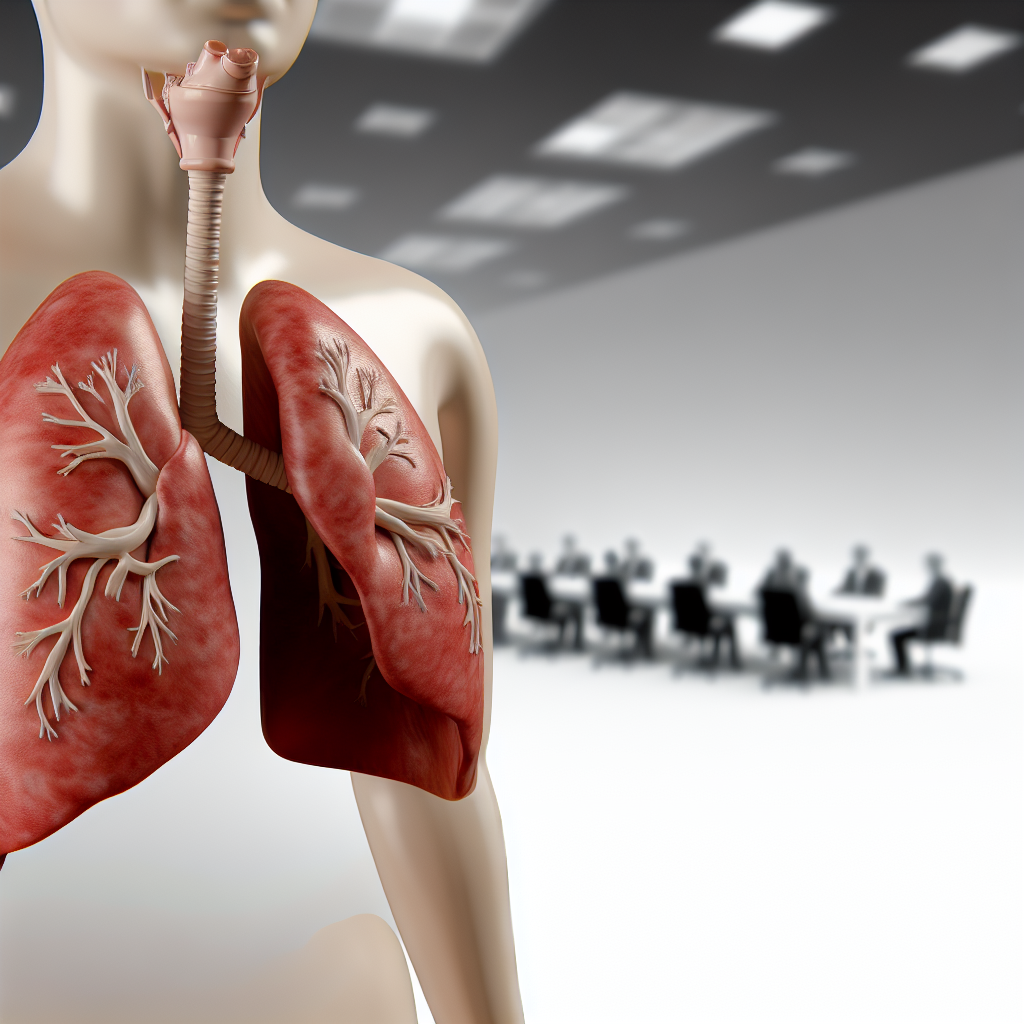
Anatomy of the Lungs: Key Components of the Human Respiratory System
The lungs are vital organs in the human body, playing a central role in the respiratory system. They allow for the exchange of oxygen and carbon dioxide, which is essential for human survival. Understanding the basic anatomy of the lungs can provide insights into how they function and support overall health.
Basic Structure of the Lungs
The lungs are two spongy organs located in the thoracic cavity, protected by the ribcage. They have a unique structure that facilitates their primary function of gas exchange.
- Right Lung: The right lung is generally larger and has three lobes: the upper, middle, and lower lobes.
- Left Lung: The left lung is slightly smaller, accommodating the heart, and has two lobes: the upper and lower lobes.
Key Components of the Lungs
Several critical structures make up the lungs, each contributing to their overall function:
- Alveoli: These tiny air sacs are the primary site of gas exchange. They increase the surface area available for oxygen to enter the bloodstream and carbon dioxide to exit.
- Bronchi: The trachea bifurcates into two main bronchi, which lead to the right and left lungs. These tubes branch into smaller bronchi and ultimately into bronchioles, which deliver air to the alveoli.
- Pleura: The lungs are surrounded by pleural membranes that create a lubricated space, allowing smooth movement during breathing.
- Lobes: As mentioned, the lungs are divided into lobes that help organize the functional areas where gas exchange occurs.
Functions of the Lungs
The primary function of the lungs is to facilitate respiration, but they have additional roles, including:
- Gas Exchange: Oxygen is absorbed into the blood, while carbon dioxide is expelled from the bloodstream.
- Regulation of Blood pH: By controlling the levels of carbon dioxide in the blood, the lungs help maintain the acid-base balance of the body.
- Protection: The respiratory system also traps dust, microbes, and other particles through mucus and cilia in the airways.
Caring for Your Lungs
Maintaining lung health is essential for overall well-being. Here are some general wellness practices that can help support lung function:
- Avoid Smoking: Smoking can cause damage to lung tissue and lead to various respiratory diseases.
- Stay Active: Regular physical activity can enhance lung capacity and efficiency.
- Practice Good Hygiene: Washing hands and avoiding exposure to respiratory infections can protect lung health.
- Stay Hydrated: Proper hydration helps to keep the mucosal linings in the lungs thin, promoting easier breathing.
Understanding the anatomy and functions of the lungs is essential for recognizing their importance in health and wellness. By nurturing lung health through informed practices, individuals can contribute to their overall respiratory well-being.






