























Facing the Consequences of Knife Crime
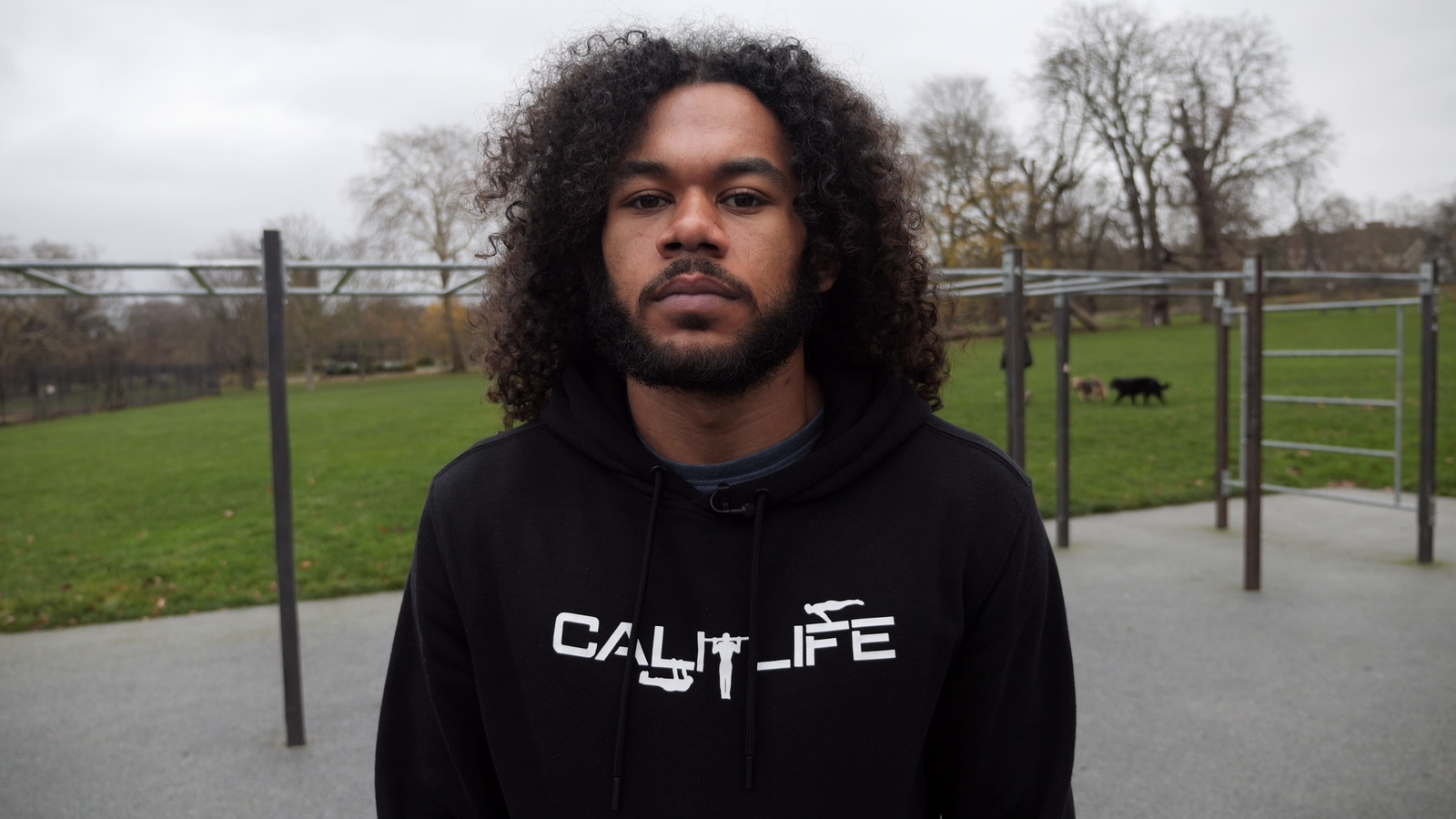
The ongoing issue of knife crime in the UK is underscored by personal stories of trauma and recovery. One young man, Corrie, experienced violence at the tender age of thirteen, and now grapples with the lasting effects of post-traumatic stress disorder (PTSD). His journey towards healing was significantly aided by youth worker Bradley Stephenson, who works with a charity aimed at supporting young victims of violence.
Trauma and Recovery
At just thirteen, Corrie was confronted with a knife, an incident that left lasting psychological scars. He recalls, “even the sound of cutlery gets me,” reflecting the daily challenges he faces due to his PTSD. Following a troubled childhood marked by alcohol dependency and homelessness, Corrie’s life began to change when he encountered Bradley Stephenson at King’s College Hospital, where he had been admitted for mental health treatment.
Stephenson is affiliated with Redthread, a charity that places youth workers in hospitals to provide crucial support to young individuals affected by violence. Although their meeting occurred late in Bradley’s shift, he chose to stay and help Corrie, showcasing a commitment to diverting young people from paths of crime and violence.
Addressing Systemic Issues
The primary objective of the outreach programme is to provide practical solutions, such as finding accommodation for individuals like Corrie, who struggled to meet basic needs. Corrie notes, “the only way he could make money would then be to commit crime,” demonstrating the grim realities faced by many vulnerable youths.
Today, Corrie has transformed his life and is dedicated to aiding others on a similar journey. He reflects on the fine line between being a victim and perpetrator of violence, highlighting the urgency of preventing further harm.
The Role of the Violence Reduction Unit
The London Violence Reduction Unit (VRU), established in 2019 under the mayoral office, employs a public health approach to combat violence. Lib Peck, the director of the VRU, reports that homicides have decreased by about a third since its inception, with a substantial reduction in knife-related injuries among young individuals. However, the figures are complex, as knife crime incidents remain more prevalent now than they were two years ago.
Despite these statistics, there are still concerning trends; up to 25 young people are wounded by knives in London each week, and while there has been a slight decrease in hospital admissions due to knife wounds, these numbers reflect a broader national pattern rather than an isolated success of the VRU.
Intervention in Custody
During a visit to a custody suite in Brixton, youth workers funded by the VRU engage with young offenders in a bid to alter their pathways. Ian Patnelli, a youth engagement coordinator, explains the aim is to utilize moments of incarceration as opportunities for education and support, helping young individuals to reconnect with schooling and employment.
The project has reportedly reached 10,000 youths, with studies indicating that 80% of those under 18 assisted by the VRU do not reoffend within the following year.
Alternative Approaches
However, some experts raise concerns about the VRU’s reach in addressing the most at-risk children. Mark Rodney, who leads Project Lifeline in Croydon, argues that the VRU’s efforts do not fully address the realities of violence faced by the most endangered youth. His initiative relocates high-risk young individuals away from harmful environments, emphasizing the need for immediate intervention in the face of potential violence.
Rodney’s proactive methods included personally facilitating the relocation of a child who feared for his life, emphasizing the alarming situation that many young people face today.
Conclusion
As the data continues to reveal mixed results regarding knife crime trends in the UK, the human stories behind the statistics remain crucial. The ongoing efforts of individuals and organisations, like the VRU and grassroots initiatives, highlight the need for a multi-faceted approach to violence prevention, targeting not just the symptoms but the underlying causes.
Background
The rise of knife crime in the UK has become an increasingly pressing issue, triggering responses from government bodies, charities, and community organisations. The alarming statistics and personal tales of trauma underscore the urgent need for effective intervention and support systems to safeguard young people.
Source: Original Article






