























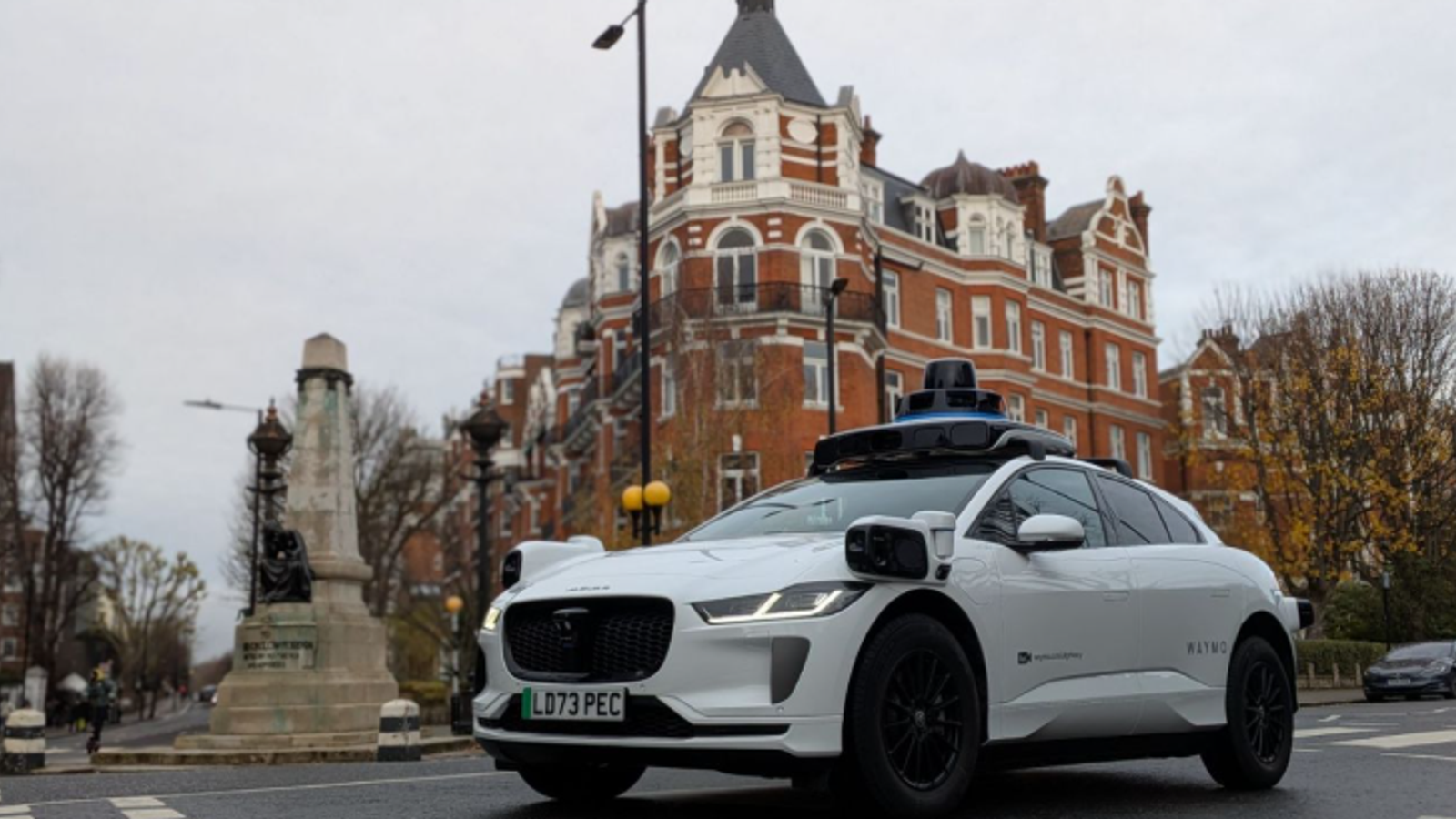
Driverless Cars Set to Debut in London by Year-End
Waymo, the autonomous vehicle division of Google, has announced that its driverless cars could start operating on London streets within this year, pending regulatory approval. Currently, the company is collecting data and mapping the area with a fleet of 24 human-driven vehicles, gearing up for a phased introduction of its self-driving technology by the end of 2026.
Phased Approach to Rollout
The introduction of driverless cars will occur in three stages, beginning with the ongoing mapping and data collection process. The next step will see testing with a safety driver present, in accordance with the UK government’s established guidelines for autonomous vehicles. The final phase will be the rollout of completely driverless taxis, allowing residents to book rides without a human driver.
Ethan Teicher, a spokesperson for Waymo, expressed optimism about the timeline, stating, “Our intent is to open to riders later this year, contingent on government approvals.” The company is actively collaborating with regulatory bodies to ensure a smooth transition to driverless cars in the capital.
Government Support and Safety Assurance
Lilian Greenwood MP, the Minister for Local Transport, welcomed Waymo’s plans, noting that London was chosen as the company’s first European city. She asserted the government’s commitment to prioritising safety while also facilitating the establishment of innovative regulations to expedite the deployment of automated vehicles.
Waymo has highlighted the superior safety of its vehicles compared to traditional human-operated cars, particularly emphasizing the potential benefits for vulnerable road users such as pedestrians and cyclists. Nicole Gavel, the head of business development at Waymo, noted that the cars have advanced sensors that enhance their perception abilities beyond that of human drivers.
Challenges and Uncertainties Ahead
Despite the anticipation, numerous questions about Waymo’s operations remain unanswered. One point of concern is the geographical coverage of its services, as the firm is currently testing in only 19 of London’s 32 boroughs. Teicher indicated that initial services would commence in a small area before potentially expanding, though specifics on the locations have yet to be confirmed.
There are also uncertainties regarding how well Waymo’s system will adapt to the complex behaviours of London’s pedestrians and drivers. Teicher noted that while cities like San Francisco pose their own challenges, the variability of human behaviour in urban settings is a significant consideration for successful operation.
Anticipating the Future of Transportation
As the situation unfolds, observers are keen to see how the introduction of autonomous vehicles will reshape the transportation landscape in London. Teicher addressed concerns that the addition of driverless cars would lead to increased traffic congestion, suggesting that these vehicles could operate more efficiently than traditional taxis, thus requiring fewer cars to perform the same number of trips.
The true impact of self-driving cars on London’s streets will become clearer in the coming months, as Waymo strives to integrate its technology into the bustling urban environment. With expectations high, the future of transportation in the UK could be on the brink of a major transformation.
Background
The arrival of driverless cars represents a significant milestone in the evolution of urban mobility. Cities around the world have been exploring autonomous vehicles for their potential to improve safety and reduce traffic congestion. Waymo’s operations in the UK reflect a growing interest in bringing innovative transportation solutions to the European market, following successful trials in American cities.
Source: Original Article






