























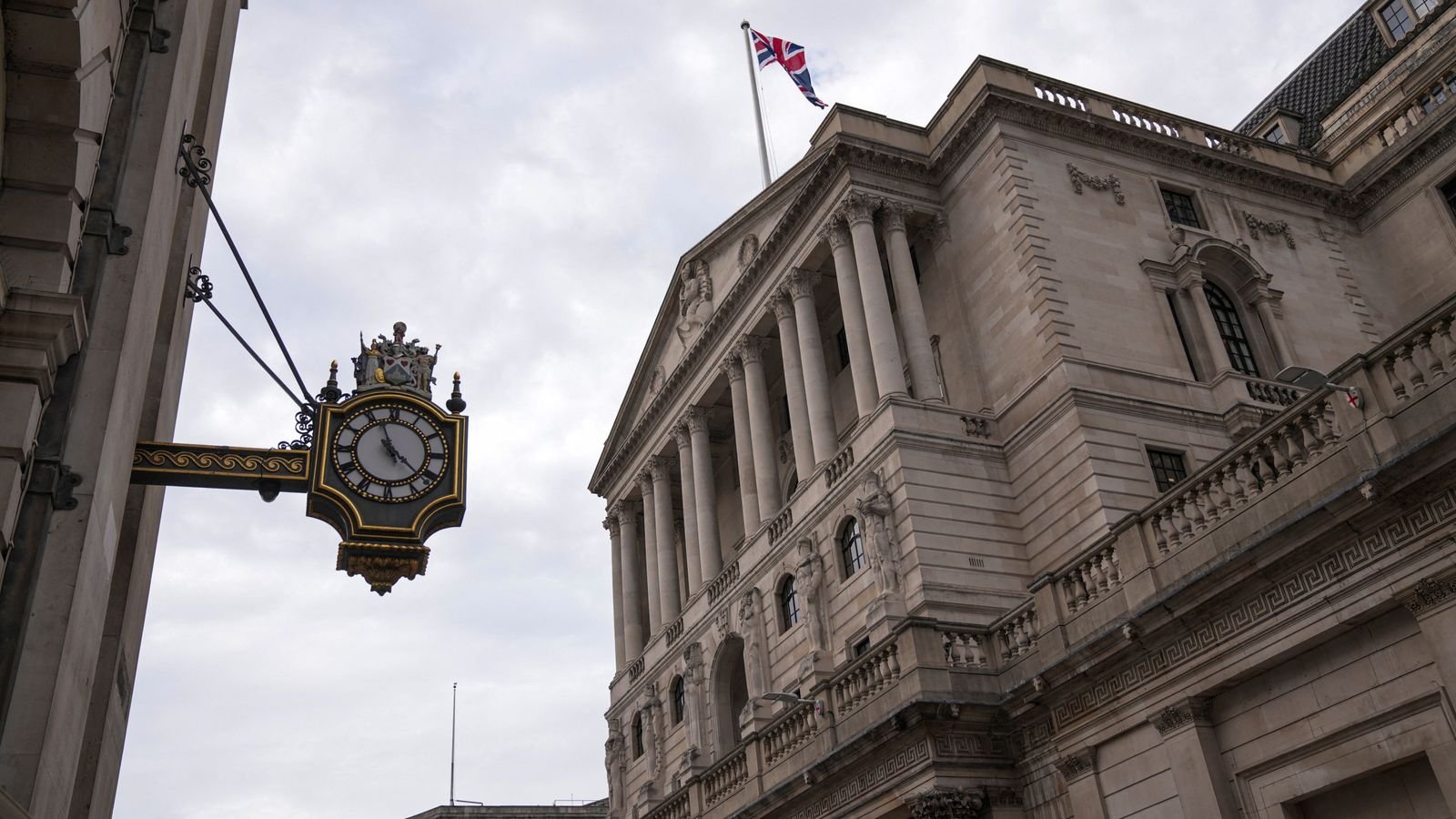
Bank of England Holds Interest Rates Steady, Future Cuts Likely
The Bank of England has opted to keep interest rates at 3.75%, indicating that further reductions may be on the horizon as inflation trends closer to the Bank’s target of 2% more rapidly than previously anticipated. The decision was affirmed by a narrow vote within the Monetary Policy Committee (MPC), with Governor Andrew Bailey casting the decisive vote.
Rate Decision and MPC Vote
In the recent meeting, five members of the nine-member MPC voted to maintain the current rate, while four members advocated for a 0.25 percentage point cut to 3.5%. This tight margin reflects growing concerns about balancing inflation control with economic performance.
The MPC’s language has shifted, suggesting that rate cuts could occur in the upcoming meetings scheduled for mid-March or early April, as inflation forecasts improve.
Inflation Forecasts and Economic Implications
Governor Bailey expressed optimism about falling inflation, predicting a return to the 2% target by spring. He noted, “This is positive news. We need to ensure inflation remains at this level, which is why we’ve kept rates unchanged for now.” The recent forecasts illustrate a sharper decline in inflation from 3.4% in December, owing partly to announced reductions in energy bills.
Changes in energy bill calculations, introduced by Chancellor Rachel Reeves, are expected to lower costs for the average household by approximately £150 annually. These adjustments, alongside diminishing food price rises, are believed to contribute to the anticipated decrease in inflation.
Broader Economic Context
Despite the positive inflation outlook, the Bank has revised its projections for UK GDP growth downward from 1.1% to 0.9% for this year, alongside a forecasted rise in unemployment to 5.3%. These factors could potentially provide leeway for future interest rate cuts.
The MPC’s cautious stance reflects a need to address the ongoing risks of persistent underlying inflation, mainly driven by increasing wages. Members acknowledged the balance between possible inflation control from weak demand and the necessity of sustaining economic performance.
Looking Ahead
The timing of any further cuts will hinge on the Bank’s evaluation of the durability of the 2% inflation rate in the medium term. Some MPC members have expressed skepticism regarding the efficacy of short-term measures introduced by the Chancellor to alleviate upward price pressures.
Governor Bailey’s shift in position in this latest meeting marked a departure from the December decision, where he had sided with members advocating for a cut. This change underscores the ongoing dynamics within the Committee as economic conditions fluctuate.
Background
The debate surrounding interest rates has intensified in recent months as the UK economy grapples with the impacts of rising costs and sluggish growth. The Bank of England’s current priorities are to manage inflation while fostering an environment conducive to economic recovery. As inflation trends improve, the Bank’s response to these developments will be pivotal in shaping the financial landscape for consumers and businesses alike.
Source: Original Article






