






















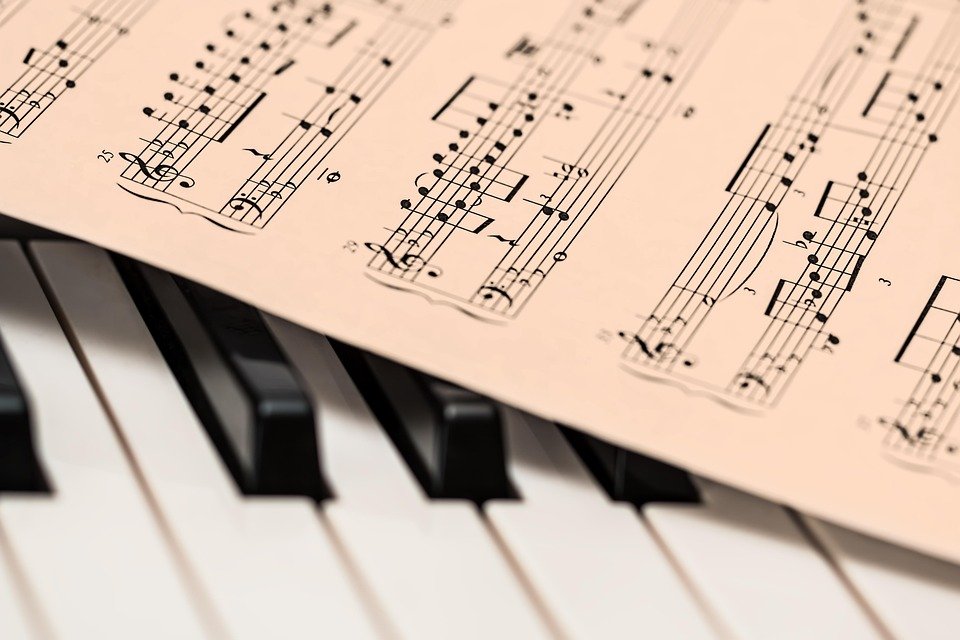
Classical Music: The Foundation of Film Scoring
From the grand orchestras of Beethoven to the dynamic compositions of Bernstein, classical music has significantly shaped the landscape of film scoring. The marriage of classical motifs with cinematic storytelling has enriched the film experience, allowing audiences to connect emotionally to the narrative. This article explores the evolution of film scores influenced by classical music, shedding light on key composers and their artistic impacts.
The Early Days: Silent Films and Live Music
In the silent film era, movies were typically accompanied by live orchestras or piano players, who provided the musical backdrop to the visual storytelling. The music selected or composed during this time often drew heavily from classical themes, establishing a tradition that would carry into sound films. Notably, composers like Camille Saint-Saëns saw their work featured in early cinema, setting the stage for a fusion of film and classical music.
Wagner’s Influence on Film Scores
Richard Wagner’s innovative approaches to orchestration and harmony have left a lasting imprint on film composers. Wagner’s concept of the “leitmotif,” a recurring musical theme associated with a character or situation, has been adopted by countless film scores. This technique was famously utilized by John Williams in the ‘Star Wars’ series, who borrowed from Wagner’s dramatic style to heighten emotional stakes.
The Golden Age of Hollywood: Classical Composers Take Center Stage
- Max Steiner – Known as the “father of film music,” Steiner’s work on ‘Gone with the Wind’ (1939) and ‘Casablanca’ (1942) showcased the power of orchestral score, using lush melodies that echoed Romantic motifs.
- Erich Wolfgang Korngold – With his work on films like ‘The Adventures of Robin Hood’ (1938), Korngold infused his compositions with lyrical themes characteristic of late Romantic music, effectively shifting the narrative focus through his scores.
Revolutionary Techniques: The Rise of the Director-Composers
Directors in the mid-20th century began to realize the importance of music as a storytelling device. Filmmakers like Alfred Hitchcock collaborated closely with composers such as Bernard Herrmann, who composed haunting scores for films like ‘Psycho’ (1960). Herrmann’s use of strings, reminiscent of Wagner’s dramatic flair, created an innovative blend of sound and suspense.
Bernstein’s Broadway and Film Fusions
Leonard Bernstein, primarily recognized for his contributions to Broadway, also made significant strides in film. His score for ‘On the Waterfront’ (1954) introduced a blend of symphonic and jazz influences that reflected the emotional complexities of the characters. Bernstein’s cross-genre experimentation paved the way for future composers to blend styles within the cinematic realm.
Modern Film Scoring: A Nod to Classical Roots
Contemporary composers continue to draw upon the legacy of classical music. Hans Zimmer, known for his work on ‘Inception’ (2010) and ‘The Lion King’ (1994), utilizes orchestral arrangements alongside electronic music, occasionally invoking classical harmony and structure. Similarly, Alexandre Desplat’s scores for films like ‘The Grand Budapest Hotel’ (2014) demonstrate an awareness of orchestral tradition while embracing modern filmmaking techniques.
Conclusion: A Lasting Legacy
From Beethoven’s symphonic grandeur to Bernstein’s innovative scores, classical music remains a powerful element in the storytelling arsenal of filmmakers. The enduring influence of these classical compositions continues to resonate in modern film scores, demonstrating the timeless connection between classical music and film. As audiences experience cinema, the echoes of the past live on, marking each note as a testament to the evolution of film scoring.






