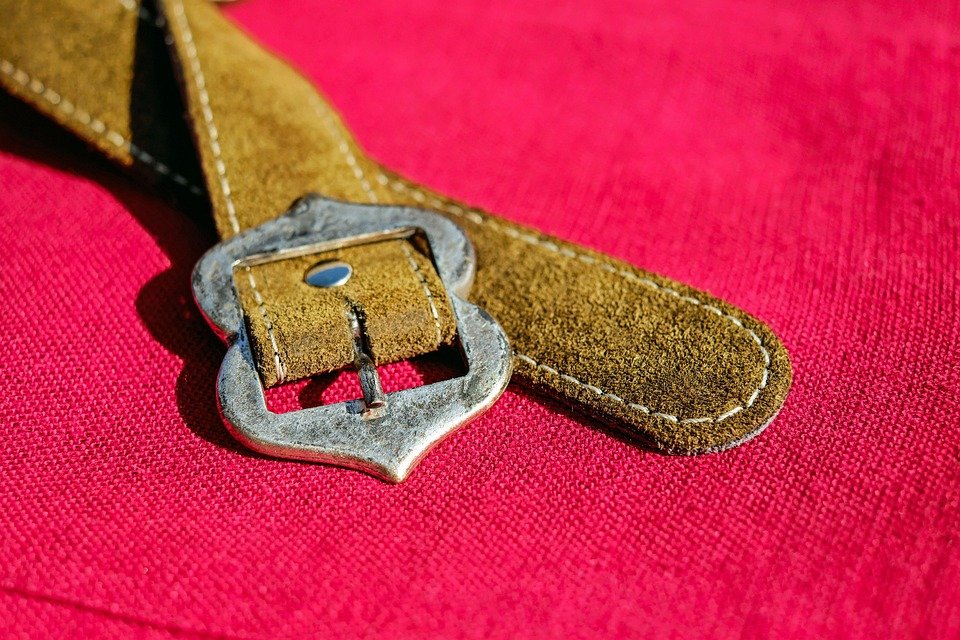
Belts have traversed a rich history, evolving from functional accessories to profound symbols of personal style and identity. Their journey through the annals of fashion is not just about utility; it reflects broader social and cultural movements, making the belted style a fascinating topic of exploration.
The Evolution of Belts in History
Belts can be traced back to ancient civilizations. Initially, they served a practical purpose, securing garments and providing support for tools or weapons. Over the centuries, their role transformed significantly:
- Ancient Egypt: Belts were often made of leather or woven material, adorned with motifs and hieroglyphics that denoted rank and status.
- Medieval Period: Both men and women utilized belts to hold up their tunics and dresses. These were often elaborately decorated and symbolized social standing.
- Renaissance: The introduction of more tailored clothing led to belts being used to accentuate the waistline, marking a shift in aesthetic values.
- 18th Century: The rise of the waistcoat saw belts becoming more decorative, often featuring intricate buckles and embroidery.
- 19th Century: With the advent of industrialization, belts evolved into a more standardized accessory, used across different classes.
Belts as Symbolism
The symbolism of belts is deeply rooted in their historical context. They have often represented power, control, and identity. For instance:
- Gender Identity: In the 20th century, the use of belts in women’s fashion became a means to create an hourglass silhouette, showcasing feminine ideals.
- Fashion Statements: Designers such as Dior in the 1940s popularized the “New Look,” which emphasized a cinched waist, making belts essential in conveying elegance and femininity.
- Status Symbols: High-end brands often create belts adorned with logos or unique designs that signify status and wealth, much like a luxury handbag or watch.
Styling with Belts
Belts are versatile accessories that can transform an outfit. They perform not only a practical function but also serve as a focal point in styling. Here are some classical styling concepts:
- Accentuating Silhouettes: Using belts to define the waist can enhance body proportions and add structure to loose-fitting clothing.
- Layering: Belts can be used to layer garments strategically, such as wearing a belt over a cardigan or a long tunic, creating a more polished look.
- Color Coordination: A belt can act as a statement piece when colored or patterned in a way that complements or contrasts the ensemble.
Influential Designers and Their Contributions
Throughout the history of fashion, several designers have left an indelible mark on the use of belts:
- Coco Chanel: Her minimalist approach in the 1920s often featured belts that simplified and streamlined the silhouettes of women’s clothing.
- Alexander McQueen: Known for his avant-garde designs, McQueen utilized belts as dramatic elements, challenging conventional aesthetics.
Conclusion
As we reflect on the historical journey of belts in fashion, it is evident that they hold much more significance than merely holding up garments. They embody the evolution of style, functionality, and cultural representation. Understanding their role offers valuable insights into the broader narrative of fashion, making belts not just an accessory, but a notable chapter in fashion history.