






















Introduction
Biographical documentaries have become a significant genre within the broader spectrum of filmmaking. These films offer insights into the lives of influential figures, providing audiences with a unique blend of storytelling, history, and personal narrative. The development of biographical documentaries reflects changes in both society and the cinematic landscape, often mirroring trends in technology, culture, and storytelling techniques.
Origins of Biographical Documentaries
The roots of biographical documentaries can be traced back to the early 20th century when the documentary genre itself began to take shape. Early pioneers like Robert Flaherty, known for “Nanook of the North” (1922), demonstrated the potential of film as a medium for storytelling grounded in real-life experiences. While Flaherty’s work was not strictly biographical, it laid the groundwork for later documentary filmmakers to explore individual narratives.
Post-War Growth and Influence
After World War II, the documentary film scene witnessed significant evolution with the introduction of more structured narratives. Many filmmakers began to focus on historical figures and personal stories. Notably, filmmakers such as John Grierson in the UK advocated for documentaries that focused on social issues, including biographical subjects.
Pioneers and Iconic Works
-
“The World at War” (1973)
A landmark series produced by Jeremy Isaacs, this documentary brought a comprehensive biography of WWII’s impact through the eyes of various figures, combining personal narratives with historical context. -
“Salesman” (1969)
Directed by Albert and David Maysles, this film highlighted the lives of door-to-door Bible salesmen, offering a biographical glimpse into their struggles and triumphs. -
“Gimme Shelter” (1970)
Produced by Albert and David Maysles along with Charlotte Zwerin, this film documented the Rolling Stones’ 1969 U.S. tour, serving as a biographical account of music culture and its influences.
The Documentary Renaissance
The 1990s marked a renaissance for the documentary genre, evidenced by the rise of figures such as Ken Burns. His innovative techniques, which included the use of photographs, archival footage, and voiceover narration, created compelling narratives that captured the essence of American history and culture. Works like “The Civil War” (1990) offered a deep dive into both collective memory and individual biographies, engaging a wide audience.
Technological Advancements
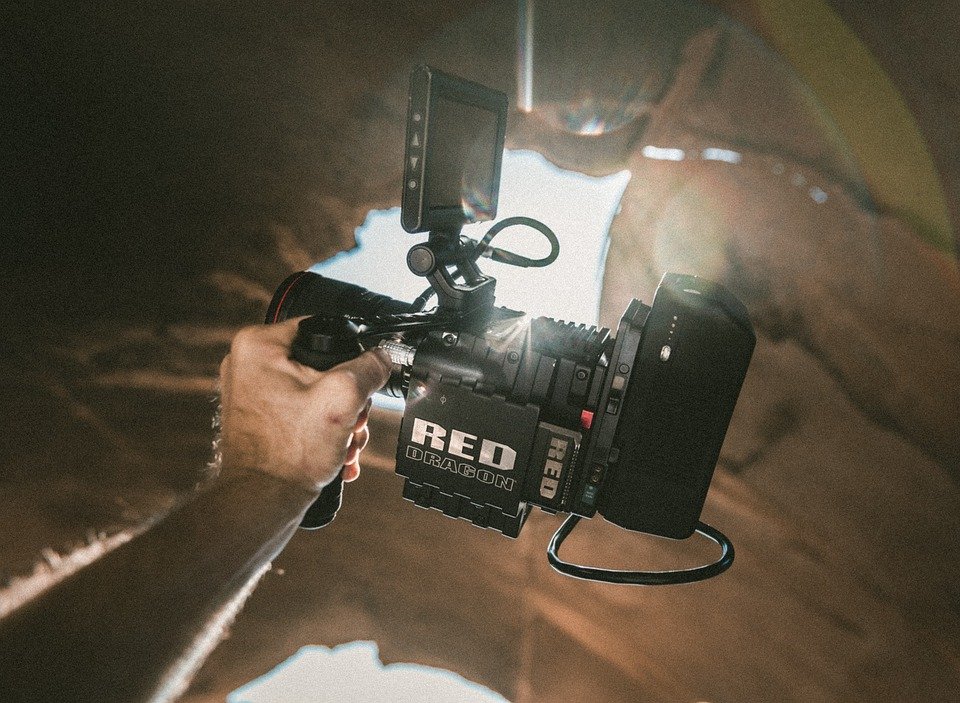
As technology transformed the filmmaking landscape, so too did the potential for biographical documentaries. The introduction of digital filmmaking and nonlinear editing opened new avenues for storytelling. Filmmakers could now incorporate diverse media—from social media clips to interactive features—broadening the scope and accessibility of biographical narratives. This evolution allowed for more intimate and personal stories to be told, bridging gaps between subject and audience.
Contemporary Biographical Documentaries
Today, biographical documentaries are prevalent across various platforms, including streaming services, which have further democratized access to these films. Directors are exploring a multitude of subjects, from traditional historical figures to contemporary personalities. Documentaries like “RBG” (2018), which chronicles the life of Supreme Court Justice Ruth Bader Ginsburg, and “Won’t You Be My Neighbor?” (2018), focusing on Fred Rogers, exemplify the genre’s modern appeal and its ability to resonate with current societal issues.
Conclusion
As biographical documentaries continue to evolve, they remain a vital part of the film landscape, bridging the gap between education and entertainment. They not only celebrate individual stories but also help audiences understand the broader societal contexts in which these lives unfold. With ongoing advancements in technology and storytelling, the future of biographical documentaries promises to be rich and diverse, offering further exploration into the lives that have shaped our world.






