






















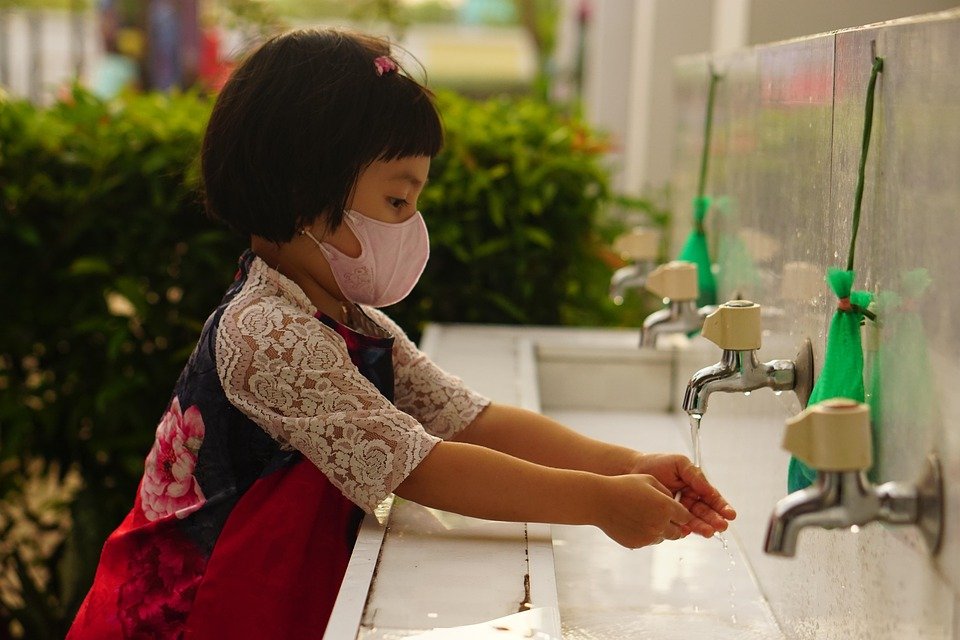
Introduction to Handwashing
Handwashing is an essential practice in maintaining personal hygiene and overall health. Proper handwashing techniques can significantly reduce the spread of germs and prevent various infections. By establishing healthy handwashing habits, individuals can contribute to their own well-being and the health of those around them.
The Importance of Handwashing
Handwashing serves as a barrier against the transmission of harmful microorganisms. Many illnesses are spread through direct or indirect contact with contaminated surfaces, which makes effective hand hygiene crucial. Regular handwashing can help prevent:
- Respiratory infections
- Gastrointestinal diseases
- Skin infections
When to Wash Your Hands
There are critical moments in daily life when handwashing is necessary. Here are some situations when you should wash your hands:
- Before eating or preparing food
- After using the restroom
- After coughing, sneezing, or blowing your nose
- After touching animals or their waste
- Before and after caring for a sick person
Proper Handwashing Techniques
To ensure effective handwashing, follow these simple steps:
- Wet your hands with clean, running water (warm or cold).
- Add soap and lather by rubbing your hands together.
- Scrub all parts of your hands for at least 20 seconds, including:
- The backs of your hands
- Between your fingers
- Under your nails
- Rinse your hands well under clean, running water.
- Dry your hands using a clean towel or air dry them.
Encouraging Healthy Habits
Building a habit of proper handwashing requires consistent practice and awareness. Here are some tips to encourage healthy handwashing habits:
- Make handwashing a part of your routine.
- Use reminders such as posters in bathrooms or kitchens.
- Educate children about the importance of hand hygiene through fun activities.
- Lead by example—demonstrate proper handwashing techniques to family and friends.
Conclusion
Adopting proper handwashing techniques is a simple yet effective way to promote health and prevent the spread of infection. By incorporating these habits into daily life, individuals can enjoy lasting benefits and contribute to a healthier community.






